x


 Preview
 Αγοράστε την αναπαραγωγή Αγορά ψηφιακής εικόνας
 Αποστολή
 Λεπτομέρειες
 Προσθήκη στα αγαπημένα
 Λήψη
Λήψη
 Παρόμοια έργα
 Ακτινογραφία
 Παρουσίαση
Εκτύπωση giclée ή σε καμβά ποιότητας μουσείου με γρήγορη παραγωγή και ευέλικτες επιλογές φινιρίσματος.





























Επιλέξτε από τις προκαθορισμένες διαστάσεις μας που διατηρούν τις αρχικές αναλογίες του έργου τέχνης.

Μπορείτε να εισαγάγετε δικές σας διαστάσεις ώστε να ταιριάξουν με ένα συγκεκριμένο πλαίσιο ή χώρο. Εάν το επιλεγμένο μέγεθος δεν συμπίπτει με τις αναλογίες της πρωτότυπης εικόνας, θα κόψουμε το έργο τέχνης ή θα επεκτείνουμε την εικόνα με καθρεφτισμένη ή μονόχρωμη ατέλεια. Θα σας αποσταλεί ένα ψηφιακό mockup για έγκρισή σας πριν από την έναρξη της παραγωγής.
Παρακαλούμε σημειώστε ότι η προεπισκόπηση στην οθόνη δεν αντικατοπτρίζει την πραγματική κοπή ή επέκταση. Μόνο το mockup θα δείξει με ακρίβεια την τελική σύνθεση.
Παρόλο που είναι διαθέσιμες προσαρμοσμένες διαστάσεις, προτείνουμε την επιλογή μιας διάστασης από τη προκαθορισμένη λίστα για τη διατήρηση των αρχικών αναλογιών.
Παγκόσμια Αποστολή () σε 2 εβδομάδες αντί για τις συνήθεις 4/5 εβδομάδες. (26 Ιούλιος)


The Last Supper
Διαστάσεις Αναπαραγωγής
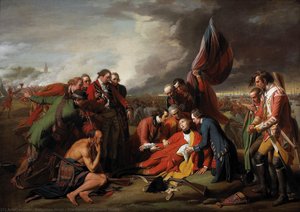
Benjamin West's "The Last Supper," painted in 1786, isn’t merely a depiction of a biblical event; it’s a profound exploration of human emotion and the genesis of faith. This monumental oil on canvas, currently residing at the Detroit Institute of Arts, transcends its historical subject matter to become a timeless meditation on betrayal, disbelief, and the quiet dignity of sacrifice. West, a pivotal figure bridging the worlds of Neoclassicism and burgeoning American artistic identity, masterfully captures the palpable tension within the room as Jesus reveals his impending doom to his disciples. The painting’s power lies not just in its subject matter but in the artist's ability to translate complex theological concepts into a visually arresting and emotionally resonant experience.

West’s compositional choices are immediately striking, firmly rooted in the principles of Neoclassicism. He eschews the swirling dynamism of Romanticism for a carefully structured scene reminiscent of classical Roman frescoes. The figures – Jesus at the head of the table, surrounded by his twelve disciples – are rendered with an almost sculptural quality, their bodies and drapery meticulously observed and flawlessly executed. The setting itself is deliberately austere, evoking the formality and gravity associated with religious gatherings in the era. However, it’s West's masterful use of light and shadow—chiaroscuro—that truly elevates the painting to a higher plane. A single, dramatic light source illuminates the faces of the disciples, highlighting their shock, confusion, and despair. This strategic lighting not only draws the viewer’s eye but also intensifies the emotional impact of the scene, creating a sense of foreboding and impending tragedy.
Beyond its formal elements, “The Last Supper” is rich in symbolic meaning. Judas Iscariot, positioned prominently in the foreground—a sickly green shadow enveloping his figure—is not simply a villain but a symbol of corruption and betrayal. West deliberately casts him as oversized, emphasizing his transgression against the group. The disciples’ reactions are equally significant; their gestures, expressions, and body language reveal a spectrum of emotions – disbelief, sorrow, anger, and fear. West doesn't offer easy answers or simplistic portrayals; instead, he presents a complex psychological drama, inviting viewers to contemplate the human condition and the consequences of betrayal.
“The Last Supper” stands as a pivotal work in art history, profoundly influencing subsequent generations of artists. West’s dramatic composition and masterful use of light and shadow were adopted by painters like Tintoretto and Poussin, demonstrating the painting's enduring impact. Furthermore, it reflects the artistic currents of its time – the rise of Neoclassicism, the growing interest in historical subjects, and the exploration of human emotion within a religious context. Reproductions offered by Most-Famous-Paintings.com allow you to experience this masterpiece firsthand, bringing West’s profound vision into your home or studio. For those seeking further insight, we encourage you to explore the Detroit Institute of Arts website and the extensive resources available on Most-Famous-Paintings.com.

1738 - 1820 , Ηνωμένες Πολιτείες της Αμερικής

Explore the dramatic world of Baroque art! Discover its history, defining characteristics, & lasting influence on painting & sculpture. Expert insights into Caravaggio, Zurbarán, and Bernini – plus high-quality reproductions at Most-Famous-Paintings.

Δημιουργήστε το ιδανικό έργο τέχνης με την Most-Famous-Paintings.com! Χειροποίητοι πίνακες, ψηφιακές εκτυπώσεις & εξατομικευμένες λύσεις. Εμπιστευτείτε μας για ποιότητα, ακρίβεια & μοναδική αισθητική.

Δημιουργήστε μια μοναδική ψηφιακή προσωπογραφία από φωτογραφία! Χειροποίητα έργα τέχνης υψηλής ποιότητας, εξατομικευμένα σχέδια και άριστη εξυπηρέτηση. Επενδύστε σε ένα διαχρονικό δώρο ή κοσμήστε τον χώρο σας με μια ξεχωριστή δημιουργία.

Explore the captivating world of Benjamin Williams Leader's Victorian genre paintings. Discover his mastery of naturalism, social commentary & lasting influence on British art. Expert insights at Most-Famous-Paintings.

Explore the captivating world of Benjamin Haughton, Victorian genre painter. Discover his realistic depictions of daily life, social commentary, and enduring artistic legacy. Shop high-quality reproductions at Most-Famous-Paintings.


Μείνετε ενημερωμένοι για τις τελευταίες ειδήσεις σχετικά με την τέχνη, αποκλειστικές προσφορές και ιδέες διακόσμησης.
Πείτε μας περισσότερα για το έργο σας και οι ειδικοί μας στην τέχνη θα σας προσφέρουν 3 εξατομικευμένες προτάσεις έργων τέχνης.
Αφήστε μας να επιμεληθούμε 3 επιλογές αποκλειστικά για εσάς – Δωρεάν!


 Κοινοποίηση


 Περισσότερα λεπτομέρεια







 Η επιλογή με γυαλί είναι διαθέσιμη μόνο για μεγέθη κάτω από 110 εκ.