


x


 Oil On CanvasWallArtVorticism
 Modern
 152.0 x 224.0 cm
 Tate Britain
Χειροποίητη α óleo σε καμβά στο δικό σας μέγεθος και πλαίσιο, κατά παραγγελία από τους καλλιτέχνες μας. ( Μετάβαση στην Εκτύπωση Μετάβαση σε Εικόνα)





























Επιλέξτε από τις προκαθορισμένες διαστάσεις μας που διατηρούν τις αρχικές αναλογίες του έργου τέχνης.

Μπορείτε να εισάγετε δικές σας διαστάσεις για να ταιριάξετε το έργο με ένα συγκεκριμένο πλαίσιο ή χώρο. Εάν το επιλεγμένο μέγεθος δεν συμπίπτει με τις αναλογίες της αρχικής εικόνας, θα περικοψούμε το έργο τέχνης ή θα επεκτείνουμε τη ζωγραφιά με πρόσθετα χειρόγραφα στοιχεία. Ένα ψηφιακό προσχέδιο θα σας σταλεί για έγκριση πριν την έναρξη της παραγωγής.
Παρακαλούμε σημειώστε ότι η προεπισκόπηση στην οθόνη δεν αντικατοπτρίζει την πραγματική περικοπή ή επέκταση. Μόνο το προσχέδιο θα δείξει με ακρίβεια την τελική σύνθεση.
Παρόλο που είναι διαθέσιμα προσαρμοσμένα μεγέθη, συνιστούμε να επιλέξετε μια διάσταση από τη λίστα των προκαθορισμένων μεγεθών για τη διατήρηση των αρχικών αναλογιών.
Παγκόσμια Αποστολή () σε 3/4 εβδομάδες αντί για τις συνήθεις 5 εβδομάδες. (31 Ιούλιος). Χωρίς συμβιβασμούς στην ποιότητα.


The Mud Bath
Διαστάσεις Αναπαραγωγής
In the realm of early twentieth-century modernism, few works capture the raw, pulsating energy of the machine age quite like David Bomberg’s The Mud Bath. This Vorticist masterpiece serves as a breathtaking exploration of movement, where the boundaries between form and void dissolve into a rhythmic dance of geometry. At first glance, the viewer is met with a controlled chaos—a complex web of interlocking triangles, rectangles, and irregular polygons that seem to vibrate against a muted, earthy backdrop. The composition is anchored by a central vertical axis, reminiscent of a structural pillar or a primordial tree, which acts as a stabilizer for the swirling, angular fragments that orbit it. It is a painting that does not merely sit upon the canvas but seems to actively construct itself before the eyes of the observer.
The color palette of this work is both disciplined and profoundly impactful, utilizing a limited spectrum to achieve maximum visual tension. A dominant, fiery red provides an intense warmth that surges through the composition, while sharp strikes of cobalt blue offer a cooling contrast, adding much-needed depth to the flattened pictorial plane. These primary tones are punctuated by brilliant whites that highlight the edges of the geometric shards, creating a crisp, staccato rhythm. The background, a soft and understated beige, provides a grounding element that prevents the vibrant shapes from feeling untethered, allowing the structural complexity of the work to remain the focal point.
To understand The Mud Bath, one must look toward the radical artistic movements of the post-war era. Bomberg, a prominent figure among the 'Whitechapel Boys,' was deeply immersed in the avant-garde currents of Cubism and Futurism. This specific piece exemplifies the essence of Vorticism—a movement that sought to find the "vortex" at the heart of modern life, capturing the dynamism and mechanical precision of an industrializing world. Unlike the more fluid abstractions found in other movements, Bomberg’s approach here is architectural and structural; he strips away the superficiality of nature to reveal the underlying skeletal energy of the subject matter.
While the title might suggest a literal depiction of a landscape or a natural process, the painting functions primarily as an exploration of pure form. Any connection to the organic—the suggestion of foliage, water, or earth—is purely symbolic, serving as a ghostly echo of reality beneath the heavy layers of abstraction. For the discerning collector or interior designer, this artwork offers more than just visual interest; it provides a sophisticated focal point that commands attention through its historical weight and structural integrity. A high-quality reproduction of this piece brings with it an aura of intellectual depth and a bold, modern aesthetic that can transform a contemporary space into a gallery of profound artistic significance.

Γεννημένος σε Πολωνούς-Εβραίους μετανάστες γονείς, τον Abraham και τη Rebecca Bomberg, μελέτησε αρχικά στη City and Guilds Technical Art School πριν ολοκληρώσει την εκπαίδευσή του ως λιθογράφος στο Birmingham.
Σπούδασε υπό την καθοδήγηση του Walter Sickert στη Westminster School of Art (1908-1910), επηρεασμένος από την εστίαση του Sickert στη μορφή και την αστική ζωή. Έλαβε σημαντική έκθεση στον Paul Cézanne μέσω της έκθεσης του Roger Fry το 1910 «Manet and the Post-Impressionists». Στη Slade School of Art (1911), κέρδισε το βραβείο Tonks για το σχέδιό του με τον συμμαθητή του, Isaac Rosenberg.
Οι εμπειρίες ως στρατιώτης κατά τη διάρκεια του Απώλου Πολέμου επηρέασαν βαθύτατα το καλλιτεχνικό του όραμα, οδηγώντας τον σε μια στροφή μακριά από την αφαίρεση.
Η δεκαετία του 1920 είδε τον Bomberg να υιοθετεί ένα πιο αναπαραστατικό στυλ, εστιάζοντας σε πορτρέτα και τοπία που πηγάζουν απευθείας από τη φύση. Ανέπτυξε μια ολοένα και πιο εκφραστική τεχνική, χαρακτηρισμένη από την υφή του impasto και την συναισθηματική ένταση.
Οι εκτεταμένες περιηγήσεις του Μέσαनेστε και στην Ευρώπη επηρέασαν σημαντικά το μεταγενέστερο έργο του. Οι απεικονίσεις του για την Ιερουσαλήμ είναι ιδιαίτερα αξιοσημείωτες.

1890 - 1957 , Ηνωμένο Βασίλειο
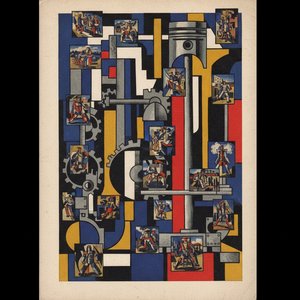
Ανακαλύψτε τα 25 κορυφαία έργα τέχνης του Φερνάν Λεζέ! Εξερευνήστε την ιστορία, τις τεχνικές και το χρώμα πίσω από τους εμβληματικούς πίνακες του κυβισμού & Tubism. Βρείτε αναπαραγωγές υψηλής ποιότητας για διακόσμηση στο Most-Famous-Paintings.com.
Ανακαλύψτε τα 25 κορυφαία έργα τέχνης του Βασίλι Καντίνσκι! Εξερευνήστε την αφηρημένη τέχνη, τον εξπρεσιονισμό & τα εμβληματικά χρώματα του ιδιοφυούς ζωγράφου. Αναπαραγωγές υψηλής ποιότητας για διακόσμηση και έμπνευση στο Most-Famous-Paintings.com.

Ανακαλύψτε τους 25 θησαυρούς του Metropolitan Museum of Art! Ιμπρεσιονισμός, Βαν Γκογκ, Μονέ & άλλα αριστουργήματα. Έμπνευση για διακόσμηση σπιτιού με πίνακες υψηλής ποιότητας. Εξερευνήστε την πλήρη συλλογή στο Most-Famous-Paintings.com

Ανακαλύψτε τους 25 κορυφαίους πίνακες του MoMA! Βαν Γκογκ, Πικάσο, Warhol και άλλοι μεγάλοι ζωγράφοι. Ιμπρεσιονισμός, κυβισμός & εκφρασισμός. Βρείτε την τέχνη που εμπνέει το σπίτι σας στην Most-Famous-Paintings.gr.

Explore the groundbreaking work of David Bomberg, a pivotal figure in British abstraction. Discover his artistic evolution, influences, and lasting legacy through insightful analysis & expert commentary.


Μείνετε ενημερωμένοι για τις τελευταίες ειδήσεις σχετικά με την τέχνη, αποκλειστικές προσφορές και ιδέες διακόσμησης.
Πείτε μας περισσότερα για το έργο σας και οι ειδικοί μας στην τέχνη θα σας προσφέρουν 3 εξατομικευμένες προτάσεις έργων τέχνης.
Αφήστε μας να επιμεληθούμε 3 επιλογές αποκλειστικά για εσάς – Δωρεάν!


 Προεπισκόπηση
 Αποστολή
 Κοινοποίηση
 Λεπτομέρειες

 Λήψη
Λήψη
 Παρόμοια έργα
 Ακτινογραφία
 Παρουσίαση
 Περισσότερα λεπτομέρεια







 Η επιλογή με γυαλί είναι διαθέσιμη μόνο για μεγέθη κάτω από 110 εκ.


