x


 Αγοράστε την αναπαραγωγή Αγορά ψηφιακής εικόνας
 Αποστολή
 Λεπτομέρειες
 Προσθήκη στα αγαπημένα
 Λήψη
Λήψη
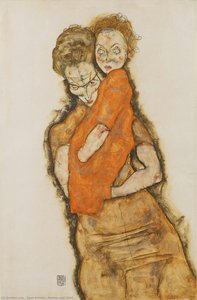
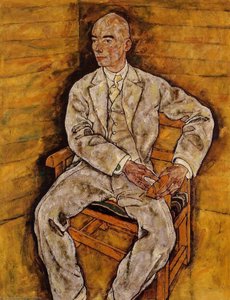
 Παρόμοια έργα
 Ακτινογραφία
 Παρουσίαση
 Acrylic On CanvasWallArtExpressionist Eroticism
 1915
1915 317.0 x 496.0 cm
 Μουσείο Λέοπολντ
Εκτύπωση giclée ή σε καμβά ποιότητας μουσείου με γρήγορη παραγωγή και ευέλικτες επιλογές φινιρίσματος.





























Επιλέξτε από τις προκαθορισμένες διαστάσεις μας που διατηρούν τις αρχικές αναλογίες του έργου τέχνης.

Μπορείτε να εισαγάγετε δικές σας διαστάσεις ώστε να ταιριάξουν με ένα συγκεκριμένο πλαίσιο ή χώρο. Εάν το επιλεγμένο μέγεθος δεν συμπίπτει με τις αναλογίες της πρωτότυπης εικόνας, θα κόψουμε το έργο τέχνης ή θα επεκτείνουμε την εικόνα με καθρεφτισμένη ή μονόχρωμη ατέλεια. Θα σας αποσταλεί ένα ψηφιακό mockup για έγκρισή σας πριν από την έναρξη της παραγωγής.
Παρακαλούμε σημειώστε ότι η προεπισκόπηση στην οθόνη δεν αντικατοπτρίζει την πραγματική κοπή ή επέκταση. Μόνο το mockup θα δείξει με ακρίβεια την τελική σύνθεση.
Παρόλο που είναι διαθέσιμες προσαρμοσμένες διαστάσεις, προτείνουμε την επιλογή μιας διάστασης από τη προκαθορισμένη λίστα για τη διατήρηση των αρχικών αναλογιών.
Παγκόσμια Αποστολή () σε 2 εβδομάδες αντί για τις συνήθεις 4/5 εβδομάδες. (21 Ιούλιος)


Lovemaking
Διαστάσεις Αναπαραγωγής
Egon Schiele's "Lovemaking," painted in 1915, is not a celebration of romantic bliss; rather, it’s a brutally honest and profoundly unsettling exploration of human connection – a moment suspended between vulnerability and raw physicality. Measuring an imposing 317 x 496 cm, the painting immediately commands attention with its intensely focused composition and the almost palpable sense of urgency radiating from the central figures. It's a work that speaks volumes about Schiele’s unique artistic vision, deeply rooted in his personal experiences and anxieties, and offers a rare glimpse into the artist’s unflinching portrayal of the human condition.
The scene unfolds with stark realism, depicting two individuals locked in an embrace. The male figure dominates the composition, positioned on top of his partner, his body taut and muscular, conveying both strength and a certain vulnerability. His gaze is averted, suggesting a preoccupation with the act itself rather than any outward expression of affection. The woman’s posture is equally arresting – she lies passively beneath him, her face partially obscured, lending an air of quiet resignation to her pose. Schiele's masterful use of line creates a dynamic tension; sharp, angular strokes define the musculature and clothing, contrasting with the softer curves of the bodies intertwined. This deliberate juxtaposition amplifies the painting’s emotional intensity.
To understand “Lovemaking,” it's crucial to consider Schiele’s life during this period. 1915 was a year marked by immense personal tragedy – his sister, Elvira, died in childbirth, an event that deeply affected him and became a recurring motif in his work. The pervasive atmosphere of illness and death, exacerbated by the early loss of his father to syphilis, casts a long shadow over this painting. The presence of the three figures in the background—a silent audience or perhaps witnesses to this intimate encounter—adds another layer of complexity. They are deliberately indistinct, almost spectral, suggesting the fleeting nature of life and the inevitability of mortality. This isn’t simply a depiction of love; it's an acknowledgment of its fragility within the face of suffering.
Schiele was a key figure in the Expressionist movement, and “Lovemaking” exemplifies many of the stylistic hallmarks associated with this school. He employed a highly personal and subjective approach to representation, prioritizing emotional impact over realistic depiction. The painting’s palette is deliberately restrained – dominated by earthy tones of ochre, brown, and grey—further emphasizing the somber mood. However, Schiele utilizes subtle shifts in color and texture to create depth and drama. Notice how he builds up layers of paint to suggest form and volume, particularly in the rendering of the male figure’s torso. The use of impasto – thick application of paint – adds a tactile quality to the surface, inviting the viewer to engage with the work on a visceral level.
Beyond its immediate visual impact, “Lovemaking” is rich in symbolic meaning. The act of lovemaking itself can be interpreted as a desperate attempt to overcome mortality or find solace in connection. The averted gaze of the male figure suggests a withdrawal from emotional engagement, perhaps reflecting his own struggles with grief and loss. The woman’s passive posture could represent submission, vulnerability, or even a quiet acceptance of her fate. Schiele's genius lies in his ability to convey complex psychological states through seemingly simple imagery. “Lovemaking” is not merely a depiction of a physical encounter; it’s a profound meditation on the human experience – its joys, sorrows, and ultimately, its transience.
Most-Famous-Paintings offers meticulously crafted hand-painted reproductions of Egon Schiele's “Lovemaking,” ensuring that this powerfully evocative artwork can be enjoyed in any setting. Our skilled artisans faithfully recreate Schiele’s distinctive style, capturing the painting’s raw emotion and textural richness with exceptional detail. Whether you are a discerning art collector seeking an authentic piece for your collection or an interior designer looking to infuse a space with artistic intensity, our reproduction provides a stunning alternative to the original while preserving its historical significance and emotional resonance. Experience the unsettling beauty of “Lovemaking” – a timeless masterpiece brought to life.

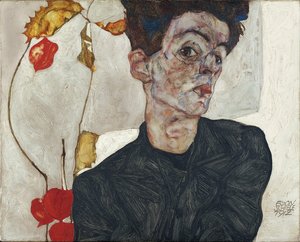
1890 - 1918 , Αυστρία
Ανακαλύψτε τα 25 κορυφαία έργα τέχνης του Egon Schiele! Εξερευνήστε τη ζωή, το στυλ και την τεχνική του Αυστριακού εξπρεσιονιστή. Βρείτε πίνακες Schiele υψηλής ποιότητας για να εμπνεύσετε τον χώρο σας. Αναπαραγωγές τέχνης στο Most-Famous-Paintings.com.

Explore the emotionally charged world of Egon Schiele (1890-1918). Discover his Expressionist masterpieces, psychological themes, and lasting impact on modern art. A comprehensive guide for collectors & enthusiasts.
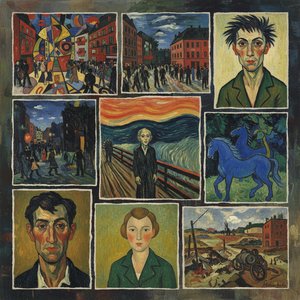
Ανακαλύψτε τα 10 κορυφαία έργα του Εκφρασισμού! Munch, Van Gogh & άλλοι πρωτοπόροι. Ιστορίες, τεχνικές και έντονα χρώματα που καθόρισαν την μοντέρνα τέχνη. Βρείτε αναπαραγωγές υψηλής ποιότητας στο Most-Famous-Paintings.com.
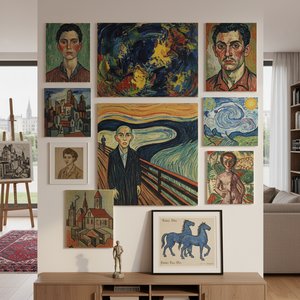
Ανακαλύψτε τα 10 κορυφαία έργα του Εξπρεσιονισμού! Μάθετε για τους Munch, Van Gogh & άλλους σπουδαίους καλλιτέχνες. Βρείτε αναπαραγωγές πινάκων υψηλής ποιότητας και εμπνευστείτε για τη διακόσμηση του χώρου σας στην Most-Famous-Paintings.com.
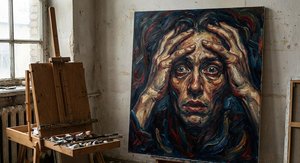
Explore the powerful world of Figurative Expressionism with Most-Famous-Paintings. Discover key artists like Kirchner & Beckmann, understand its emotional depth, and learn how to collect this influential 20th-century art movement.


Μείνετε ενημερωμένοι για τις τελευταίες ειδήσεις σχετικά με την τέχνη, αποκλειστικές προσφορές και ιδέες διακόσμησης.
Πείτε μας περισσότερα για το έργο σας και οι ειδικοί μας στην τέχνη θα σας προσφέρουν 3 εξατομικευμένες προτάσεις έργων τέχνης.
Αφήστε μας να επιμεληθούμε 3 επιλογές αποκλειστικά για εσάς – Δωρεάν!


 Κοινοποίηση

 Περισσότερα λεπτομέρεια







 Η επιλογή με γυαλί είναι διαθέσιμη μόνο για μεγέθη κάτω από 110 εκ.