x

Εκτύπωση giclée ή σε καμβά ποιότητας μουσείου με γρήγορη παραγωγή και ευέλικτες επιλογές φινιρίσματος. ( Αγορά χειροποίητου πίνακα Αγορά ψηφιακής εικόνας)





























Επιλέξτε από τις προκαθορισμένες διαστάσεις μας που διατηρούν τις αρχικές αναλογίες του έργου τέχνης.

Μπορείτε να εισαγάγετε δικές σας διαστάσεις ώστε να ταιριάξουν με ένα συγκεκριμένο πλαίσιο ή χώρο. Εάν το επιλεγμένο μέγεθος δεν συμπίπτει με τις αναλογίες της πρωτότυπης εικόνας, θα κόψουμε το έργο τέχνης ή θα επεκτείνουμε την εικόνα με καθρεφτισμένη ή μονόχρωμη ατέλεια. Θα σας αποσταλεί ένα ψηφιακό mockup για έγκρισή σας πριν από την έναρξη της παραγωγής.
Παρακαλούμε σημειώστε ότι η προεπισκόπηση στην οθόνη δεν αντικατοπτρίζει την πραγματική κοπή ή επέκταση. Μόνο το mockup θα δείξει με ακρίβεια την τελική σύνθεση.
Παρόλο που είναι διαθέσιμες προσαρμοσμένες διαστάσεις, προτείνουμε την επιλογή μιας διάστασης από τη προκαθορισμένη λίστα για τη διατήρηση των αρχικών αναλογιών.
Παγκόσμια Αποστολή () σε 2 εβδομάδες αντί για τις συνήθεις 4/5 εβδομάδες. (18 Αύγουστος)


untitled (1542)
Διαστάσεις Αναπαραγωγής
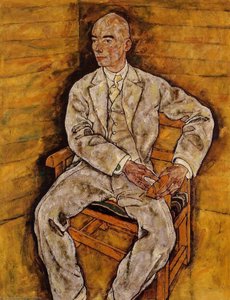
Egon Schiele's "Untitled (1542)" is not merely a depiction of a man in repose; it’s a raw, unsettling glimpse into the heart of human vulnerability. Painted in 1918, just months before his untimely death at the young age of 28, this work embodies the profound anxieties and emotional turbulence that characterized Schiele's entire oeuvre. The image presents a figure seated on the ground, enveloped in an atmosphere of palpable sadness – his head bowed into his hands, a gesture simultaneously suggesting defeat and quiet contemplation. The details are deliberately understated: a simple hat, a worn bandana around his neck, and a tie offer only minimal clues to his identity, allowing the viewer to project their own experiences of sorrow and introspection onto the scene.
Schiele’s style during this period is powerfully expressive, leaning heavily into the tenets of Expressionism. He eschewed traditional academic techniques in favor of bold, gestural lines that seem to vibrate with emotion. The figure's posture is rendered with a deliberate distortion – limbs slightly elongated, the body slumped forward – creating a sense of unease and instability. This isn’t a portrait intended for idealized beauty; instead, it’s an honest portrayal of psychological distress, capturing the very essence of human suffering.
To understand “Untitled (1542),” one must consider the context of Schiele's life. His early years were marked by a series of devastating losses – the death of his father from syphilis at fourteen, followed by the loss of his sister Elvira. These experiences profoundly shaped his artistic vision, fueling an obsession with mortality and the fragility of existence. The recurring motif of death, often intertwined with themes of eroticism and vulnerability, is particularly evident in this work. The bandana around the man’s neck, a common element in Schiele's portraits, can be interpreted as a symbol of mourning or perhaps even a visual representation of binding oneself to grief.
Schiele’s mentor, Gustav Klimt, also explored themes of death and sexuality in his art, but Schiele pushed these ideas to an even more intensely personal level. Unlike Klimt's often opulent and decorative style, Schiele’s work is characterized by a stark honesty and a willingness to confront uncomfortable truths about the human condition. The muted color palette – dominated by browns, blues, and greys – further contributes to the painting’s somber mood, reinforcing the sense of despair.
The composition itself is laden with symbolic weight. The man's posture, slumped against the unseen ground, suggests a feeling of being overwhelmed by his circumstances. His head in his hands is a universal gesture of helplessness and sorrow – a pose frequently employed to convey deep emotional distress. The background, featuring indistinct trees, offers no specific location or narrative context, further isolating the figure and intensifying the sense of loneliness. Schiele’s technique—characterized by rapid, almost frantic brushstrokes—mirrors the turmoil within the subject's psyche.
Notably, Schiele frequently employed a technique he called “pointillism,” applying tiny dots of color to create texture and depth. This method, combined with his expressive lines, gives the painting a remarkable sense of immediacy and vitality. The surface appears almost tactile, inviting the viewer to reach out and touch the figure’s sorrow.
"Untitled (1542)" is more than just a portrait; it's a poignant meditation on loss, grief, and the human capacity for suffering. Schiele’s unflinching honesty and his willingness to expose the darker aspects of the human experience make this painting a profoundly moving work of art. A reproduction captures not only the visual details but also the emotional intensity that permeates every brushstroke. It offers a rare opportunity to connect with the artist's deeply personal vision and to contemplate the universal themes of mortality and vulnerability that resonate across time.

1890 - 1918 , Αυστρία

Explore the profound history of drawing techniques, from Dürer's precision to the alchemy of graphite. Discover how masters use line, weight, and contour to capture the human spirit in this expert guide to art history and technical mastery.


Μείνετε ενημερωμένοι για τις τελευταίες ειδήσεις σχετικά με την τέχνη, αποκλειστικές προσφορές και ιδέες διακόσμησης.
Πείτε μας περισσότερα για το έργο σας και οι ειδικοί μας στην τέχνη θα σας προσφέρουν 3 εξατομικευμένες προτάσεις έργων τέχνης.
Αφήστε μας να επιμεληθούμε 3 επιλογές αποκλειστικά για εσάς – Δωρεάν!


 Δείτε σε πραγματικό χώρο
 Αποστολή
 Κοινοποίηση
 Λεπτομέρειες

 Λήψη
Λήψη
 Παρόμοια αντικείμενα συλλογής
 Ακτινογραφία
 Παρουσίαση
 Διαβάστε περισσότερα







 Η επιλογή με γυαλί είναι διαθέσιμη μόνο για μεγέθη κάτω από 110 εκ.