


x

 Oil On CanvasWallArtGerman Expressionism
 193119th Century
 200.0 x 150.0 cm
Εκτύπωση giclée ή σε καμβά ποιότητας μουσείου με γρήγορη παραγωγή και ευέλικτες επιλογές φινιρίσματος. ( Αγορά χειροποίητου πίνακα Αγορά ψηφιακής εικόνας)





























Επιλέξτε από τις προκαθορισμένες διαστάσεις μας που διατηρούν τις αρχικές αναλογίες του έργου τέχνης.

Μπορείτε να εισαγάγετε δικές σας διαστάσεις ώστε να ταιριάξουν με ένα συγκεκριμένο πλαίσιο ή χώρο. Εάν το επιλεγμένο μέγεθος δεν συμπίπτει με τις αναλογίες της πρωτότυπης εικόνας, θα κόψουμε το έργο τέχνης ή θα επεκτείνουμε την εικόνα με καθρεφτισμένη ή μονόχρωμη ατέλεια. Θα σας αποσταλεί ένα ψηφιακό mockup για έγκρισή σας πριν από την έναρξη της παραγωγής.
Παρακαλούμε σημειώστε ότι η προεπισκόπηση στην οθόνη δεν αντικατοπτρίζει την πραγματική κοπή ή επέκταση. Μόνο το mockup θα δείξει με ακρίβεια την τελική σύνθεση.
Παρόλο που είναι διαθέσιμες προσαρμοσμένες διαστάσεις, προτείνουμε την επιλογή μιας διάστασης από τη προκαθορισμένη λίστα για τη διατήρηση των αρχικών αναλογιών.
Παγκόσμια Αποστολή () σε 2 εβδομάδες αντί για τις συνήθεις 4/5 εβδομάδες. (21 Αύγουστος)


Reiterin
Διαστάσεις Αναπαραγωγής
Ernst Ludwig Kirchner’s “Reiterin,” painted in 1931 and measuring an imposing 200 x 150 cm, is more than just a depiction of a woman on horseback; it's a visceral plunge into the heart of German Expressionism. Housed within the Kirchner Museum Davos, this artwork embodies the artist’s signature style – a potent blend of bold color, distorted forms, and an unflinching exploration of psychological intensity. The scene unfolds with a dramatic dynamism, capturing a fleeting moment of movement and suggesting a profound sense of isolation and perhaps even unease. Kirchner masterfully utilizes the canvas to convey not just what he sees, but how he *feels* about it – a characteristic hallmark of his artistic vision.
"Reiterin" was created during a period of significant social and political upheaval in Germany. The rise of Expressionism reflected anxieties about modernity, industrialization, and the perceived loss of traditional values. Kirchner’s work can be interpreted as a response to these concerns, portraying a world fractured by alienation and uncertainty. The woman on horseback, a recurring motif in Kirchner's oeuvre, often represents a solitary figure struggling against an overwhelming environment – a symbol of individual resistance or perhaps even despair. The setting itself, seemingly desolate and devoid of human connection, reinforces this interpretation.
“Reiterin” is not a comfortable painting; it’s deliberately unsettling. Kirchner doesn't offer easy answers or resolutions. Instead, he forces the viewer to confront uncomfortable emotions – loneliness, anxiety, and perhaps even a sense of impending doom. This raw emotional honesty is what makes the work so compelling and enduring. It stands as a testament to Kirchner’s ability to translate personal turmoil into a universally resonant artistic statement. Its influence can be seen in subsequent generations of artists who embraced Expressionism's commitment to subjective experience and its rejection of academic conventions.
None
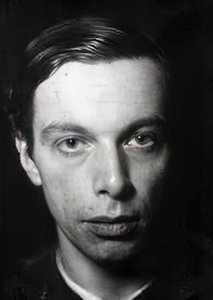
1880 - 1938 , Γερμανία

Explore the visceral power of German Expressionism. From Ernst Ludwig Kirchner to Die Brücke, discover how bold colors and distorted forms unmask raw human emotion in this expert art history guide for collectors and enthusiasts.

Explore the profound emotional depth of Expressionist portraiture. From Edvard Munch to Francis Bacon, discover how masters used distortion and color to reveal inner truths. Learn about this pivotal movement and find museum-quality oil reproductions for your collection.


Μείνετε ενημερωμένοι για τις τελευταίες ειδήσεις σχετικά με την τέχνη, αποκλειστικές προσφορές και ιδέες διακόσμησης.
Πείτε μας περισσότερα για το έργο σας και οι ειδικοί μας στην τέχνη θα σας προσφέρουν 3 εξατομικευμένες προτάσεις έργων τέχνης.
Αφήστε μας να επιμεληθούμε 3 επιλογές αποκλειστικά για εσάς – Δωρεάν!


 Δείτε σε πραγματικό χώρο
 Αποστολή
 Κοινοποίηση
 Λεπτομέρειες

 Λήψη
Λήψη
 Παρόμοια αντικείμενα συλλογής
 Ακτινογραφία
 Παρουσίαση
 Διαβάστε περισσότερα







 Η επιλογή με γυαλί είναι διαθέσιμη μόνο για μεγέθη κάτω από 110 εκ.


