x

Εκτύπωση giclée ή σε καμβά ποιότητας μουσείου με γρήγορη παραγωγή και ευέλικτες επιλογές φινιρίσματος. ( Αγορά χειροποίητου πίνακα Αγορά ψηφιακής εικόνας)





























Επιλέξτε από τις προκαθορισμένες διαστάσεις μας που διατηρούν τις αρχικές αναλογίες του έργου τέχνης.

Μπορείτε να εισαγάγετε δικές σας διαστάσεις ώστε να ταιριάξουν με ένα συγκεκριμένο πλαίσιο ή χώρο. Εάν το επιλεγμένο μέγεθος δεν συμπίπτει με τις αναλογίες της πρωτότυπης εικόνας, θα κόψουμε το έργο τέχνης ή θα επεκτείνουμε την εικόνα με καθρεφτισμένη ή μονόχρωμη ατέλεια. Θα σας αποσταλεί ένα ψηφιακό mockup για έγκρισή σας πριν από την έναρξη της παραγωγής.
Παρακαλούμε σημειώστε ότι η προεπισκόπηση στην οθόνη δεν αντικατοπτρίζει την πραγματική κοπή ή επέκταση. Μόνο το mockup θα δείξει με ακρίβεια την τελική σύνθεση.
Παρόλο που είναι διαθέσιμες προσαρμοσμένες διαστάσεις, προτείνουμε την επιλογή μιας διάστασης από τη προκαθορισμένη λίστα για τη διατήρηση των αρχικών αναλογιών.
Παγκόσμια Αποστολή () σε 2 εβδομάδες αντί για τις συνήθεις 4/5 εβδομάδες. (15 Αύγουστος)


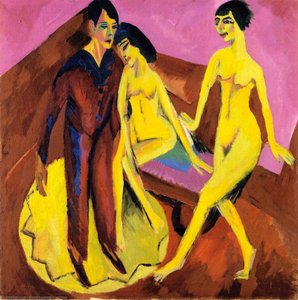
Emotion (study)
Διαστάσεις Αναπαραγωγής
“Emotion (Study)” by Ferdinand Hodler is a captivating artwork that exemplifies the artist's mastery of capturing human emotion within a natural setting. Created in 1902, this oil painting showcases Hodler’s signature style and embodies the essence of Art Nouveau with its flowing lines and organic forms.
Ferdinand Hodler (1853-1918) was a Swiss painter renowned for his ability to portray everyday people in harmonious connection with nature. He sought to express the underlying rhythms of life, believing that parallel lines could represent both natural forms and human relationships. Hodler’s work often explored themes of solitude, community, and the cyclical nature of existence. “Emotion (Study)” is a prime example of his exploration of interpersonal dynamics and emotional states.
The painting depicts two women standing close together in a field, their postures conveying a sense of shared emotion. One woman clasps her hands together, suggesting introspection or anxiety, while the other holds her hands up to her face, perhaps expressing concern or empathy. Hodler’s use of color is striking; the green and blue dresses of the women complement the natural surroundings, creating a harmonious visual experience. The background features a grassy area that adds depth to the composition. Hodler's technique involves loose brushstrokes and a flattened perspective, characteristic of Post-Impressionism. This approach lends the painting a dreamlike quality, emphasizing the emotional rather than the purely representational aspects of the scene.
While seemingly simple in its depiction, “Emotion (Study)” is rich with symbolic meaning. The women's gestures suggest a complex interplay of emotions – perhaps worry, support, or shared vulnerability. The natural setting reinforces the idea of human connection within the larger world. Hodler’s use of parallel lines, a recurring motif in his work, can be interpreted as representing the interconnectedness of these two figures and their emotional bond. The painting evokes a sense of quiet contemplation and invites viewers to reflect on the nuances of human relationships and the power of unspoken emotions.
Hodler’s artistic legacy extends beyond “Emotion (Study).” Other notable works include "Rosebush in a Meadow" and "Little Girl Picking Flowers," both demonstrating his skill in capturing the beauty of nature and the human experience. “Emotion (Study)” is housed at the Villa Flora in Switzerland, a museum dedicated to Art Nouveau pieces. Today, handmade oil painting reproductions of “Emotion (Study)” are available, allowing art enthusiasts to appreciate Hodler’s profound exploration of emotion and connection.


1853 - 1918 , Ελβετία

Explore the profound history and technical brilliance of oil on panel painting. From Renaissance masters to modern techniques, discover why this rigid support offers unparalleled precision and permanence for fine art lovers and collectors.


Μείνετε ενημερωμένοι για τις τελευταίες ειδήσεις σχετικά με την τέχνη, αποκλειστικές προσφορές και ιδέες διακόσμησης.
Πείτε μας περισσότερα για το έργο σας και οι ειδικοί μας στην τέχνη θα σας προσφέρουν 3 εξατομικευμένες προτάσεις έργων τέχνης.
Αφήστε μας να επιμεληθούμε 3 επιλογές αποκλειστικά για εσάς – Δωρεάν!


 Δείτε σε πραγματικό χώρο
 Αποστολή
 Κοινοποίηση
 Λεπτομέρειες

 Λήψη
Λήψη
 Παρόμοια αντικείμενα συλλογής
 Ακτινογραφία
 Παρουσίαση

 Διαβάστε περισσότερα







 Η επιλογή με γυαλί είναι διαθέσιμη μόνο για μεγέθη κάτω από 110 εκ.