


x


 Preview
 Αγοράστε την αναπαραγωγή Αγορά ψηφιακής εικόνας
 Αποστολή
 Λεπτομέρειες
 Προσθήκη στα αγαπημένα
 Λήψη
Λήψη
 Παρόμοια έργα
 Ακτινογραφία
 Παρουσίαση
Εκτύπωση giclée ή σε καμβά ποιότητας μουσείου με γρήγορη παραγωγή και ευέλικτες επιλογές φινιρίσματος.
Επιλέξτε από τις προκαθορισμένες διαστάσεις μας που διατηρούν τις αρχικές αναλογίες του έργου τέχνης.

Μπορείτε να εισαγάγετε δικές σας διαστάσεις ώστε να ταιριάξουν με ένα συγκεκριμένο πλαίσιο ή χώρο. Εάν το επιλεγμένο μέγεθος δεν συμπίπτει με τις αναλογίες της πρωτότυπης εικόνας, θα κόψουμε το έργο τέχνης ή θα επεκτείνουμε την εικόνα με καθρεφτισμένη ή μονόχρωμη ατέλεια. Θα σας αποσταλεί ένα ψηφιακό mockup για έγκρισή σας πριν από την έναρξη της παραγωγής.
Παρακαλούμε σημειώστε ότι η προεπισκόπηση στην οθόνη δεν αντικατοπτρίζει την πραγματική κοπή ή επέκταση. Μόνο το mockup θα δείξει με ακρίβεια την τελική σύνθεση.
Παρόλο που είναι διαθέσιμες προσαρμοσμένες διαστάσεις, προτείνουμε την επιλογή μιας διάστασης από τη προκαθορισμένη λίστα για τη διατήρηση των αρχικών αναλογιών.
Παγκόσμια Αποστολή () σε 2 εβδομάδες αντί για τις συνήθεις 4/5 εβδομάδες. (26 Ιούλιος)


Derrure
Διαστάσεις Αναπαραγωγής
Fernand Léger's 1933 drawing, *Derrure*, is more than just an intricate depiction of gears and machinery; it’s a profound meditation on the burgeoning relationship between humanity and technology. Executed in stark black and white, the artwork captures a dizzying close-up view of a complex mechanical device – a machine rendered with Léger's signature style that sought to reconcile the dynamism of modern life with a distinctly representational approach. The image immediately draws the viewer into a world of interlocking cogs, rotating shafts, and precisely crafted components, suggesting a relentless, almost hypnotic rhythm.
*Derrure* was created during the height of Léger’s career as a leading figure in the Parisian avant-garde. His work emerged from a period of intense social and technological change – the rise of industrialization, urbanization, and the increasing dominance of machines in daily life. Léger wasn't merely documenting this shift; he was actively engaging with it, seeking to translate its essence into his art. Tubism, initially developed alongside Pablo Picasso, aimed to capture the fragmented, multi-faceted forms of modern objects, particularly those found in factories and urban environments. This approach reflected a broader artistic movement that sought to break away from traditional representational styles and embrace new ways of seeing the world.
The drawing’s composition echoes Léger's interest in capturing the *movement* inherent within these mechanical systems. The overlapping gears, the suggestion of rotation, and the overall sense of organized chaos convey a powerful feeling of energy and dynamism – a visual representation of the machine’s relentless operation.
Beyond its technical brilliance, *Derrure* carries significant symbolic weight. The machine itself represents progress, industry, and the transformative power of technology. However, Léger doesn't present this as a purely celebratory image. There’s an underlying sense of unease, a feeling that the relentless drive of machinery is both exhilarating and potentially overwhelming. The intricate detail invites contemplation about humanity’s role within this increasingly mechanized world.
The inclusion of a clock within the drawing adds another layer of meaning, referencing time – a fundamental element in the operation of any machine, but also a symbol of human mortality and the passage of time. The stark black and white palette amplifies the emotional impact, creating a dramatic contrast that emphasizes the mechanical forms and evokes a sense of both fascination and apprehension.
Fernand Léger’s *Derrure* stands as a testament to his innovative approach to modern art. It exemplifies his ability to translate the complexities of the machine age into a visually compelling and intellectually stimulating work. This drawing, produced in 1933, offers a unique window into the artistic concerns of its time – a period marked by rapid technological advancement and profound social change. Its enduring appeal lies not only in its technical mastery but also in its poignant exploration of humanity’s relationship with the forces shaping our world.

1881 - 1955 , Γαλλία

Ανακαλύψτε τα 10 κορυφαία έργα του Κυβισμού! Πικάσο, Μπράκ & άλλοι ζωγράφοι που επαναστατήσαν. Ιστορία, τεχνικές & έμπνευση για διακόσμηση. Υψηλής ποιότητας αναπαραγωγές τέχνης στο Most-Famous-Paintings.gr – Εξερευνήστε την πλήρη συλλογή online!

Explore the art of transforming spaces with our comprehensive guide to wall decor. From historical movements to contemporary trends, discover how to curate impactful interiors and commission bespoke artwork for a truly personalized aesthetic.

Ανακαλύψτε τα 10 κορυφαία κυβιστικά πορτρέτα που επαναπροσδιόρισαν την τέχνη! Πικάσο, Μπρακ & Γκρις: ιστορίες, τεχνικές και έμπνευση για τον χώρο σας. Υψηλής ποιότητας αναπαραγωγές στην Most-Famous-Paintings.com.
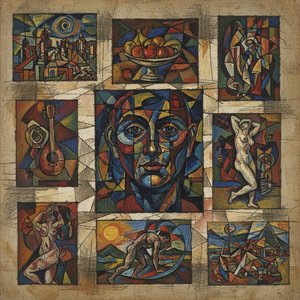
Ανακαλύψτε τα 10 αριστουργήματα που καθόρισαν τον Κυβισμό & την Έκφραση! Picasso, Braque και άλλοι ζωγράφοι. Ιστορία, τεχνικές & έμπνευση για διακόσμηση. Βρείτε πίνακες υψηλής ποιότητας στο Most-Famous-Paintings.com

Ανακαλύψτε τους 10 πιο διάσημους πίνακες με κυρίαρχο το ασπρόμαυρο! Ιστορίες τέχνης, τεχνικές ζωγραφικής & η διαχρονική αξία των αριστουργημάτων. Βρείτε αναπαραγωγές υψηλής ποιότητας στο Most-Famous-Paintings.com.


Μείνετε ενημερωμένοι για τις τελευταίες ειδήσεις σχετικά με την τέχνη, αποκλειστικές προσφορές και ιδέες διακόσμησης.
Πείτε μας περισσότερα για το έργο σας και οι ειδικοί μας στην τέχνη θα σας προσφέρουν 3 εξατομικευμένες προτάσεις έργων τέχνης.
Αφήστε μας να επιμεληθούμε 3 επιλογές αποκλειστικά για εσάς – Δωρεάν!


 Κοινοποίηση


 Περισσότερα λεπτομέρεια




































 Η επιλογή με γυαλί είναι διαθέσιμη μόνο για μεγέθη κάτω από 110 εκ.


