


x

 Acrylic On CanvasWallArtSurrealism
 1952Modern
 24.0 x 28.0 cm
Χειροποίητη oil painting σε καμβά στο δικό σας μέγεθος και πλαίσιο, κατά παραγγελία από τους καλλιτέχνες μας. ( Αγορά εκτύπωσης Αγορά ψηφιακής εικόνας)





























Επιλέξτε από τις προκαθορισμένες διαστάσεις μας που διατηρούν τις αρχικές αναλογίες του έργου τέχνης.

Μπορείτε να ορίσετε δικές σας διαστάσεις ώστε το έργο να ταιριάζει σε ένα συγκεκριμένο πλαίσιο ή χώρο. Εάν το επιλεγμένο μέγεθος δεν συμπίπτει με τις αναλογίες της αρχικής εικόνας, θα περικοψούμε το έργο ή θα επεκτείνουμε τη ζωγραφιά με πρόσθετα χειρόγραφα στοιχεία. Ένα ψηφιακό προσχέδιο θα σας αποσταλεί για έγκριση πριν την έναρξη της παραγωγής.
Παρακαλούμε σημειώστε ότι η προεπισκόπηση στην οθόνη δεν αντικατοπτρίζει την πραγματική περικοπή ή επέκταση. Μόνο το προσχέδιο θα δείξει με ακρίβεια την τελική σύνθεση.
Παρόλο που είναι διαθέσιμα προσαρμοσμένα μεγέθη, συνιστούμε να επιλέξετε μια διάσταση από τη λίστα των προκαθορισμένων μεγεθών για τη διατήρηση των αρχικών αναλογιών.
Παγκόσμια Αποστολή () σε 3-4 εβδομάδες αντί για τις συνήθεις 5 εβδομάδες. (23 Αύγουστος). Χωρίς συμβιβασμούς στην ποιότητα.


Rooster and logs
Διαστάσεις Αναπαραγωγής
Fernand Léger's 1952 painting, “Rooster and Logs,” is a captivating exploration of form and the burgeoning influence of the machine age on artistic expression. Executed during a period of significant transition for Léger – moving beyond his earlier Cubist explorations towards a more overtly expressive style – this work embodies his fascination with industrial geometry and its integration into everyday life. Measuring 24 x 28 cm, the painting’s compact scale belies the powerful visual statement it makes. The immediate impact is dominated by the vibrant red of the rooster, a bold focal point that commands attention against the stark black background. This deliberate contrast immediately evokes associations with machinery – the polished surfaces of engines and the fiery intensity of combustion – key elements in Léger’s evolving aesthetic.
While often categorized as Surrealist due to its dreamlike quality and unexpected juxtapositions, “Rooster and Logs” reveals a deeper engagement with Léger's own unique vision. The painting’s creation in 1952 aligns it within the broader context of Surrealism’s exploration of the subconscious, yet Léger resists pure abstraction. Instead, he employs simplified geometric forms – evident in the stylized depiction of the rooster and the blocky representation of the logs – to convey a sense of mechanized movement and structure. The inclusion of seemingly mundane objects—the scissors and pipe—further amplifies this symbolism, transforming them into visual metaphors for tools and instruments within an increasingly industrialized world. These elements aren’t merely decorative; they actively contribute to the painting's narrative about humanity’s relationship with technology.
Léger’s technique in “Rooster and Logs” is characterized by a deliberate flatness of picture plane, a hallmark of his mature style. The application of paint is broad and gestural, creating a textured surface that emphasizes the physicality of the forms. The use of black as a dominant background color isn't simply a stylistic choice; it serves to heighten the impact of the red rooster, pushing it forward in the composition and reinforcing its symbolic importance. The arrangement of the elements – the rooster perched atop the logs, with the scissors and pipe strategically placed—creates a dynamic tension within the frame, drawing the viewer’s eye across the canvas and inviting contemplation about the interplay between nature and industry.
Created in 1952, “Rooster and Logs” reflects Fernand Léger’s long and influential career. Having begun his artistic journey in Argentan, Normandy, he rose to prominence within the Parisian avant-garde, developing a distinctive style that blended Cubist principles with an acute awareness of modern technology. His work anticipated many of the concerns surrounding industrialization and its impact on human experience, making him a crucial figure in the transition from early 20th-century abstraction to later developments in art. This painting stands as a testament to his enduring fascination with form, color, and the evolving relationship between man and machine – a legacy that continues to resonate within contemporary art discourse.

1881 - 1955 , Γαλλία
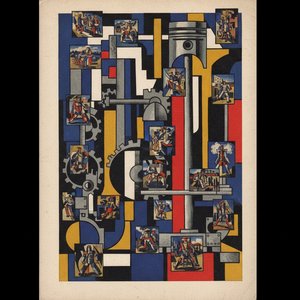
Ανακαλύψτε τα 25 κορυφαία έργα τέχνης του Φερνάν Λεζέ! Εξερευνήστε την ιστορία, τις τεχνικές και το χρώμα πίσω από τους εμβληματικούς πίνακες του κυβισμού & Tubism. Βρείτε αναπαραγωγές υψηλής ποιότητας για διακόσμηση στο Most-Famous-Paintings.com.

Explore the art of transforming spaces with our comprehensive guide to wall decor. From historical movements to contemporary trends, discover how to curate impactful interiors and commission bespoke artwork for a truly personalized aesthetic.

Ανακαλύψτε 10 εμβληματικούς πίνακες που αποτυπώνουν την ατμόσφαιρα της βιομηχανικής επανάστασης. Courbet, Manet & άλλοι μεγάλοι ζωγράφοι. Βρείτε αναπαραγωγές υψηλής ποιότητας για να εμπνεύσετε τον χώρο σας! Εξερευνήστε τη συλλογή στο Most-Famous-Paintings.com.
Ανακαλύψτε την επιστροφή της τοιχογραφίας! Εμπνευστείτε για πολυτελή διακόσμηση ξενοδοχείων και χώρων με συμβουλές ειδικών. Υψηλής ποιότητας τοιχογραφίες κατά παραγγελία.

Transform your home into a breathtaking dreamscape with expert surrealist decor tips. Discover how to curate Salvador Dalí-inspired masterpieces, integrate symbolic textures, and commission bespoke hand-painted oil reproductions that bring the magic of the subconscious to your walls.


Μείνετε ενημερωμένοι για τις τελευταίες ειδήσεις σχετικά με την τέχνη, αποκλειστικές προσφορές και ιδέες διακόσμησης.
Πείτε μας περισσότερα για το έργο σας και οι ειδικοί μας στην τέχνη θα σας προσφέρουν 3 εξατομικευμένες προτάσεις έργων τέχνης.
Αφήστε μας να επιμεληθούμε 3 επιλογές αποκλειστικά για εσάς – Δωρεάν!


 Δείτε σε πραγματικό χώρο
 Αποστολή
 Κοινοποίηση
 Λεπτομέρειες

 Λήψη
Λήψη
 Παρόμοια αντικείμενα συλλογής
 Ακτινογραφία
 Παρουσίαση
 Διαβάστε περισσότερα







 Η επιλογή με γυαλί είναι διαθέσιμη μόνο για μεγέθη κάτω από 110 εκ.


