


x


 Preview
 Αγοράστε την αναπαραγωγή Αγορά ψηφιακής εικόνας
 Αποστολή
 Λεπτομέρειες
 Προσθήκη στα αγαπημένα
 Λήψη
Λήψη
 Παρόμοια έργα
 Ακτινογραφία
 Παρουσίαση
Εκτύπωση giclée ή σε καμβά ποιότητας μουσείου με γρήγορη παραγωγή και ευέλικτες επιλογές φινιρίσματος.





























Επιλέξτε από τις προκαθορισμένες διαστάσεις μας που διατηρούν τις αρχικές αναλογίες του έργου τέχνης.

Μπορείτε να εισαγάγετε δικές σας διαστάσεις ώστε να ταιριάξουν με ένα συγκεκριμένο πλαίσιο ή χώρο. Εάν το επιλεγμένο μέγεθος δεν συμπίπτει με τις αναλογίες της πρωτότυπης εικόνας, θα κόψουμε το έργο τέχνης ή θα επεκτείνουμε την εικόνα με καθρεφτισμένη ή μονόχρωμη ατέλεια. Θα σας αποσταλεί ένα ψηφιακό mockup για έγκρισή σας πριν από την έναρξη της παραγωγής.
Παρακαλούμε σημειώστε ότι η προεπισκόπηση στην οθόνη δεν αντικατοπτρίζει την πραγματική κοπή ή επέκταση. Μόνο το mockup θα δείξει με ακρίβεια την τελική σύνθεση.
Παρόλο που είναι διαθέσιμες προσαρμοσμένες διαστάσεις, προτείνουμε την επιλογή μιας διάστασης από τη προκαθορισμένη λίστα για τη διατήρηση των αρχικών αναλογιών.
Παγκόσμια Αποστολή () σε 2 εβδομάδες αντί για τις συνήθεις 4/5 εβδομάδες. (24 Ιούλιος)


The black tree
Διαστάσεις Αναπαραγωγής
Fernand Léger’s “The Black Tree,” painted in 1937, is more than just a depiction of a tree; it's a powerful embodiment of the anxieties and aspirations surrounding modernity. Emerging from the fertile landscapes of Normandy – specifically Argentan, where he was born in 1881 – Léger channeled his formative experiences with rural labor into a revolutionary artistic language. This work, characteristic of his mature style, reflects his fascination with the machine age, translating its geometric precision and dynamic energy into a vibrant, almost unsettling, visual vocabulary. The painting’s stark contrast between the dark, monolithic trunk and the explosion of color in its branches immediately draws the viewer into a world where nature and industry collide.
Created during a pivotal moment in art history – a period heavily influenced by Cubism – “The Black Tree” exemplifies Léger’s unique approach. While many artists were exploring purely abstract forms, Léger sought to integrate recognizable elements from the modern world, particularly the industrial landscape, into his compositions. The fractured planes and angular shapes within the tree's structure are undeniably reminiscent of Cubist principles, yet they aren’t merely stylistic choices; they represent a deliberate attempt to capture the essence of mechanized movement and form. Léger wasn't rejecting representation entirely, but rather reinterpreting it through the lens of his time – a world increasingly dominated by factories, trains, and the relentless march of progress.
The bold use of color in “The Black Tree” is crucial to understanding its emotional impact. The dominant black trunk, a grounding element, provides a stark counterpoint to the riotous hues of the branches – fiery reds, vibrant yellows, and verdant greens. These colors aren’t simply decorative; they evoke a sense of energy, dynamism, and perhaps even unease. Léger deliberately employed these intense tones to convey the overwhelming force of industrialization, suggesting both its beauty and its potential for disruption. The inclusion of white flowers adds a subtle layer of fragility and hope amidst this otherwise forceful composition.
The title itself, “The Black Tree,” is laden with symbolic weight. Trees have long represented life, growth, and connection to the earth – concepts that were increasingly challenged by the rapid urbanization and industrialization of the early 20th century. The "black" element could signify decay, darkness, or even the shadow cast by technological advancement. Léger’s work, therefore, can be interpreted as a meditation on humanity's relationship with nature in an age of unprecedented change. As one of the most significant figures of the Machine Age aesthetic, Léger’s influence continues to resonate within contemporary art and design. A museum-quality reproduction of “The Black Tree” offers a captivating glimpse into this visionary artist’s world – a world where form and function are inextricably linked, and where the beauty of industry is celebrated with unapologetic intensity.
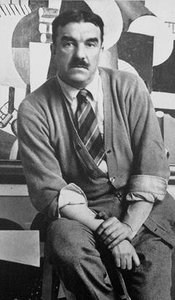
1881 - 1955 , Γαλλία
Ανακαλύψτε τα 25 εμβληματικότερα έργα τέχνης του Joan Miró! Εξερευνήστε τον σουρεαλισμό, την καταλανική τέχνη και τα ζωηρά χρώματα που καθόρισαν το στυλ του. Βρείτε πίνακες Miró υψηλής ποιότητας για κομψή διακόσμηση στο Most-Famous-Paintings.com.

Ανακαλύψτε τους 10 πιο διάσημους πίνακες για το σαλόνι σας! Μονέ, Βαν Γκογκ & άλλοι μεγάλοι ζωγράφοι. Ιμπρεσιονισμός, κλασική τέχνη και μοναδικές ιδέες διακόσμησης. Υψηλής ποιότητας αναπαραγωγές στην Most-Famous-Paintings.gr – Εξερευνήστε τη συλλογή online!
Ανακαλύψτε τα 10 εμβληματικά έργα που καθόρισαν τον Κυβισμό! Πικάσο, Μπρακ & Γκρις: ιστορίες, τεχνικές και η επανάσταση στην τέχνη. Βρείτε αναπαραγωγές υψηλής ποιότητας για διακόσμηση στο Most-Famous-Paintings.com.

Ανακαλύψτε τα 10 κορυφαία έργα του Κυβισμού! Πικάσο, Μπράκ & άλλοι ζωγράφοι που επαναστατήσαν. Ιστορία, τεχνικές & έμπνευση για διακόσμηση. Υψηλής ποιότητας αναπαραγωγές τέχνης στο Most-Famous-Paintings.gr – Εξερευνήστε την πλήρη συλλογή online!

Ανακαλύψτε τα 10 κορυφαία κυβιστικά πορτρέτα που επαναπροσδιόρισαν την τέχνη! Πικάσο, Μπρακ & Γκρις: ιστορίες, τεχνικές και έμπνευση για τον χώρο σας. Υψηλής ποιότητας αναπαραγωγές στην Most-Famous-Paintings.com.


Μείνετε ενημερωμένοι για τις τελευταίες ειδήσεις σχετικά με την τέχνη, αποκλειστικές προσφορές και ιδέες διακόσμησης.
Πείτε μας περισσότερα για το έργο σας και οι ειδικοί μας στην τέχνη θα σας προσφέρουν 3 εξατομικευμένες προτάσεις έργων τέχνης.
Αφήστε μας να επιμεληθούμε 3 επιλογές αποκλειστικά για εσάς – Δωρεάν!


 Κοινοποίηση


 Περισσότερα λεπτομέρεια







 Η επιλογή με γυαλί είναι διαθέσιμη μόνο για μεγέθη κάτω από 110 εκ.


