x

Εκτύπωση giclée ή σε καμβά ποιότητας μουσείου με γρήγορη παραγωγή και ευέλικτες επιλογές φινιρίσματος. ( Αγορά χειροποίητου πίνακα Αγορά εικόνας)





























Επιλέξτε από τις προκαθορισμένες διαστάσεις μας που διατηρούν τις αρχικές αναλογίες του έργου τέχνης.

Μπορείτε να εισαγάγετε δικές σας διαστάσεις ώστε να ταιριάξουν με ένα συγκεκριμένο πλαίσιο ή χώρο. Εάν το επιλεγμένο μέγεθος δεν συμπίπτει με τις αναλογίες της πρωτότυπης εικόνας, θα κόψουμε το έργο τέχνης ή θα επεκτείνουμε την εικόνα με καθρεφτισμένη ή μονόχρωμη ατέλεια. Θα σας αποσταλεί ένα ψηφιακό mockup για έγκρισή σας πριν από την έναρξη της παραγωγής.
Παρακαλούμε σημειώστε ότι η προεπισκόπηση στην οθόνη δεν αντικατοπτρίζει την πραγματική κοπή ή επέκταση. Μόνο το mockup θα δείξει με ακρίβεια την τελική σύνθεση.
Παρόλο που είναι διαθέσιμες προσαρμοσμένες διαστάσεις, προτείνουμε την επιλογή μιας διάστασης από τη προκαθορισμένη λίστα για τη διατήρηση των αρχικών αναλογιών.
Παγκόσμια Αποστολή () σε 2 εβδομάδες αντί για τις συνήθεις 4/5 εβδομάδες. (13 Αύγουστος)


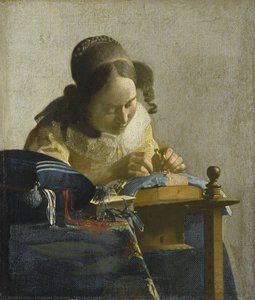
The Lacemaker
Διαστάσεις Αναπαραγωγής
Johannes Vermeer’s “The Lacemaker,” completed around 1669–1670, stands as one of the most iconic images of Delft during the Dutch Golden Age—a testament to meticulous observation and a profound understanding of human emotion. Held in the Louvre Museum, Paris, this diminutive painting (approximately 24.5 cm × 21 cm) transcends its modest dimensions to deliver an experience of serene beauty that continues to captivate audiences centuries later.
A Window into Delft Society
Delft, Vermeer’s hometown, was a thriving center for textile production and skilled craftsmanship. “The Lacemaker” captures this atmosphere perfectly, portraying a young woman diligently engaged in the painstaking art of bobbin lace making—a craft considered both respectable and intellectually stimulating for women during the period. The scene unfolds within a modestly furnished room dominated by a table draped with a richly patterned cloth – crimson and black – providing a vibrant counterpoint to the pale hues of the woman’s attire.
Technical Brilliance: Vermeer's Signature Style
Vermeer’s mastery lies in his masterful use of light—a technique he termed “luminosity.” The soft, diffused illumination emanating from a window on the right casts gentle shadows across the table and illuminates the woman’s face with an ethereal glow. This subtle manipulation of light is characteristic of Vermeer's distinctive style, which prioritizes realism achieved through careful attention to detail and atmospheric perspective. He employed glazing—thin layers of translucent paint—to create depth and luminosity, capturing the textures of fabric and porcelain with remarkable accuracy.
Symbolism and Emotion: Beyond Mere Representation
More than just a depiction of domestic activity, “The Lacemaker” speaks to themes of quiet contemplation and feminine virtue. The woman’s posture exudes composure and grace as she focuses intently on her task—a gesture that symbolizes diligence and perseverance. The inclusion of a mirror reflects her image back at the viewer, fostering a sense of intimacy and inviting us into this private moment. Vermeer skillfully conveys emotion through subtle expressions and gestures, elevating the painting beyond mere visual representation.
A Legacy of Artistic Perfection
"The Lacemaker" exemplifies the pinnacle of Dutch Baroque art—a genre that sought to portray human experience with psychological depth and artistic finesse. Its enduring appeal stems from its ability to evoke feelings of tranquility, beauty, and understated elegance. It remains a celebrated masterpiece, admired by artists and connoisseurs alike for its technical brilliance and profound emotional resonance.


1635 - 1681 , Ολλανδία

Ανακαλύψτε τα 10 αριστουργήματα της Ολλανδικής Χρυσής Εποχής! Rembrandt, Vermeer & άλλοι δάσκαλοι ζωντανεύουν. Ιστορία τέχνης, τεχνικές ζωγραφικής και έμπνευση για διακόσμηση σπιτιού. Explore the full collection on Most-Famous-Paintings.com
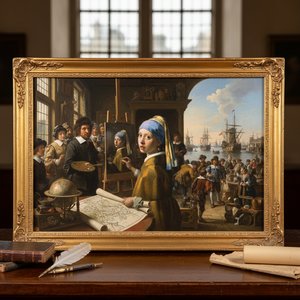
Explore the Dutch Golden Age of painting! Discover key artists like Vermeer & ter Borch, their innovative techniques, and the rich cultural context behind these Baroque masterpieces. Learn about collecting & appreciating this iconic art period.

Ανακαλύψτε τους 10 πιο διάσημους πίνακες με κυρίαρχο το ασπρόμαυρο! Ιστορίες τέχνης, τεχνικές ζωγραφικής & η διαχρονική αξία των αριστουργημάτων. Βρείτε αναπαραγωγές υψηλής ποιότητας στο Most-Famous-Paintings.com.

Ανακαλύψτε τους 10 πιο διάσημους πίνακες με κυρίαρχο το μαύρο χρώμα! Από Rembrandt και Goya, εξερευνήστε την ιστορία, τις τεχνικές & τα συναισθήματα που κρύβουν αυτά τα αριστουργήματα. Βρείτε αναπαραγωγές υψηλής ποιότητας στο Most-Famous-Paintings.com.
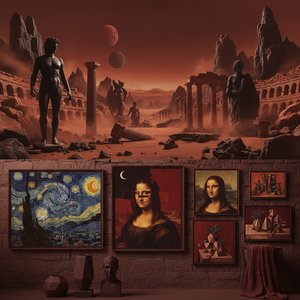
Ανακαλύψτε τις 10 πιο διάσημες ζωγραφιές με κυρίαρχο το μαύρο του Άρη! Ιστορίες καλλιτεχνών, τεχνικές & η διαχρονική αξία των έργων τους. Βρείτε αναπαραγωγές υψηλής ποιότητας για την τέχνη τοίχου σας στο Most-Famous-Paintings.gr.


Μείνετε ενημερωμένοι για τις τελευταίες ειδήσεις σχετικά με την τέχνη, αποκλειστικές προσφορές και ιδέες διακόσμησης.
Πείτε μας περισσότερα για το έργο σας και οι ειδικοί μας στην τέχνη θα σας προσφέρουν 3 εξατομικευμένες προτάσεις έργων τέχνης.
Αφήστε μας να επιμεληθούμε 3 επιλογές αποκλειστικά για εσάς – Δωρεάν!


 Προεπισκόπηση
 Αποστολή
 Κοινοποίηση
 Λεπτομέρειες

 Λήψη
Λήψη
 Παρόμοια έργα
 Ακτινογραφία
 Παρουσίαση


 Περισσότερα λεπτομέρεια







 Η επιλογή με γυαλί είναι διαθέσιμη μόνο για μεγέθη κάτω από 110 εκ.