x

 1959
1959 183.0 x 121.0 cm
Εκτύπωση giclée ή σε καμβά ποιότητας μουσείου με γρήγορη παραγωγή και ευέλικτες επιλογές φινιρίσματος. ( Αγορά χειροποίητου πίνακα Αγορά ψηφιακής εικόνας)
Επιλέξτε από τις προκαθορισμένες διαστάσεις μας που διατηρούν τις αρχικές αναλογίες του έργου τέχνης.

Μπορείτε να εισαγάγετε δικές σας διαστάσεις ώστε να ταιριάξουν με ένα συγκεκριμένο πλαίσιο ή χώρο. Εάν το επιλεγμένο μέγεθος δεν συμπίπτει με τις αναλογίες της πρωτότυπης εικόνας, θα κόψουμε το έργο τέχνης ή θα επεκτείνουμε την εικόνα με καθρεφτισμένη ή μονόχρωμη ατέλεια. Θα σας αποσταλεί ένα ψηφιακό mockup για έγκρισή σας πριν από την έναρξη της παραγωγής.
Παρακαλούμε σημειώστε ότι η προεπισκόπηση στην οθόνη δεν αντικατοπτρίζει την πραγματική κοπή ή επέκταση. Μόνο το mockup θα δείξει με ακρίβεια την τελική σύνθεση.
Παρόλο που είναι διαθέσιμες προσαρμοσμένες διαστάσεις, προτείνουμε την επιλογή μιας διάστασης από τη προκαθορισμένη λίστα για τη διατήρηση των αρχικών αναλογιών.
Παγκόσμια Αποστολή () σε 2 εβδομάδες αντί για τις συνήθεις 4/5 εβδομάδες. (19 Αύγουστος)


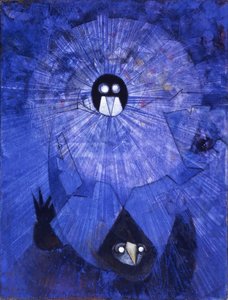
The Delta
Διαστάσεις Αναπαραγωγής

Fritz Bultman stands as a luminous, if sometimes overlooked, pillar of the Abstract Expressionist movement, a creator whose work transcended the boundaries of medium to achieve a rare, holistic synthesis of form. Born in 1919 in the culturally rich landscape of New Orleans, Bultman’s early life was steeped in an environment where visual aesthetics and tradition intertwined. The son of a prominent funeral director, his childhood fascination with art was nurtured by close connections to fellow artists like Morris Graves. This early exposure to the power of imagery laid the foundation for a career defined by a restless, searching intellect and an uncompromising commitment to the evolution of modern abstraction.
His journey toward becoming a central figure of the New York School was marked by a series of profound geographical and intellectual shifts. In 1935, as a young student, Bultman traveled to Munich, a period that would fundamentally reshape his artistic DNA. It was here that he encountered the influential Maria Hofmann, whose presence served as a bridge to the legendary Hans Hofmann. This connection proved transformative; under the guidance of Hofmann’s rigorous approach to color and space, Bultman moved toward New York and Provincetown, absorbing the burgeoning energy of American avant-garde art. His early canvases, often described as rough and painterly, began to exhibit a unique tension between symbolic depth and geometric precision, creating a language that was both visceral and meticulously organized.
What truly distinguished Bultman from his contemporaries in the New York School was his refusal to be confined by the two-dimensional plane. While many of his peers focused exclusively on the gestural power of paint, Bultman sought a more profound integration of space and matter. Following a prestigious Fulbright Scholarship to Italy, he immersed himself in the ancient and demanding art of bronze casting in Florence. This period of technical mastery allowed him to become the sole Abstract Expressionist artist to fully weave sculpture into his creative oeuvre. His work became a dialogue between the flat surface of the canvas and the tactile reality of three-dimensional form, often utilizing collage to bridge these two worlds.
His artistic process was characterized by an extraordinary ability to balance chaos with order. Bultman’s compositions were not merely spontaneous outbursts of emotion but were carefully constructed architectures of meaning. He utilized:
This period of intense creativity was not without its shadows. Bultman faced significant personal struggles with anxiety and depression, leading to a notable hiatus in his production between 1952 and 1956. However, through the introspective process of Freudian analysis, he emerged with a renewed vigor, capable of translating his internal complexities into a more resilient and profound artistic voice.
Beyond the studio, Bultman was a man of deep conviction and social engagement. He was a prominent member of the "Irascibles," the group of defiant artists who famously protested the Metropolitan Museum of Art’s conservative biases in 1950. By signing this historic letter alongside giants like Jackson Pollock and Mark Rothko, Bultman helped assert the legitimacy of modernism in the American consciousness. His activism was not limited to the gallery walls; he possessed a profound sense of social responsibility, often using his position to advocate for greater inclusivity within the art world.
Today, Fritz Bultman is remembered as an artist of immense breadth and bravery. He did not merely participate in a movement; he expanded its very definition. Through his seamless integration of painting, sculpture, and collage, he proved that abstraction could be both physically present and spiritually resonant. His legacy remains a testament to the power of an integrated vision—a life lived at the intersection of profound personal struggle and monumental creative achievement.

1919 - 1985 , United States of America


Μείνετε ενημερωμένοι για τις τελευταίες ειδήσεις σχετικά με την τέχνη, αποκλειστικές προσφορές και ιδέες διακόσμησης.
Πείτε μας περισσότερα για το έργο σας και οι ειδικοί μας στην τέχνη θα σας προσφέρουν 3 εξατομικευμένες προτάσεις έργων τέχνης.
Αφήστε μας να επιμεληθούμε 3 επιλογές αποκλειστικά για εσάς – Δωρεάν!


 Δείτε σε πραγματικό χώρο
 Αποστολή
 Κοινοποίηση
 Λεπτομέρειες

 Λήψη
Λήψη
 Παρόμοια αντικείμενα συλλογής
 Ακτινογραφία
 Παρουσίαση
 Διαβάστε περισσότερα




































 Η επιλογή με γυαλί είναι διαθέσιμη μόνο για μεγέθη κάτω από 110 εκ.