Λίστα επιθυμιών Καλάθι Αγορών Cart
x
PreviewPreview Αγορά εκτύπωσης Αγορά εκτύπωσηςΑγορά ψηφιακής εικόνας Αγορά ψηφιακής εικόνας ΑποστολήΑποστολή
ΛεπτομέρειεςΛεπτομέρειες Προσθήκη στα αγαπημένα Προσθήκη στα αγαπημένα ΛήψηΛήψη Παρόμοια έργαΠαρόμοια έργα ΑκτινογραφίαΑκτινογραφία ΠαρουσίασηΠαρουσίαση

Hope

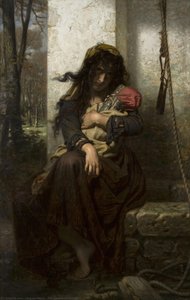
George Frederic Watts' 'Hope' (1886) depicts a blindfolded woman seeking solace in music amidst a desolate landscape, symbolizing resilience and enduring spirit.

Ανακαλύψτε τον συμβολισμό του Γιώργου Φρέντρικ Βάτς (1817-1904). Με έργα όπως η Ελπίδα και το Αρχοντικό Κέντρο και οι αναγεννητικές του πίνακες, ο Βάτς συνδύασε κλασικά στοιχεία με την βικτωριανή αισθητική.

Χειροποίητη Αναπαραγωγή σε Έλαιο

Χειροποίητη α óleo σε καμβά στο δικό σας μέγεθος και πλαίσιο, κατά παραγγελία από τους καλλιτέχνες μας.


P118B $10
P118H $10
P118W $10
P438Z $10
P508JH $12
P508YH $12
P805H $10
P805Z $10
P919BZ $10
P919G $10
P919XJ $10
P959ZH $10
P968JZ $12
W106C $8
W218G $10
W218JH $8
W218Y $10
W307PJ $10
W316G $10
W316PJ $8
W316Y $10
W398PJ $8
W4111J $10
W500HY $15
W500JH $15
W692G $12
W849H $8
W940BG $15
W953PJ $8

Standard
custom
CM
INCH

Επιλέξτε από τις προκαθορισμένες διαστάσεις μας που διατηρούν τις αρχικές αναλογίες του έργου τέχνης.

πλάτος
ύψος

Μπορείτε να εισάγετε δικές σας διαστάσεις για να ταιριάξετε το έργο με ένα συγκεκριμένο πλαίσιο ή χώρο. Εάν το επιλεγμένο μέγεθος δεν συμπίπτει με τις αναλογίες της αρχικής εικόνας, θα περικοψούμε το έργο τέχνης ή θα επεκτείνουμε τη ζωγραφιά με πρόσθετα χειρόγραφα στοιχεία. Ένα ψηφιακό προσχέδιο θα σας σταλεί για έγκριση πριν την έναρξη της παραγωγής.
Παρακαλούμε σημειώστε ότι η προεπισκόπηση στην οθόνη δεν αντικατοπτρίζει την πραγματική περικοπή ή επέκταση. Μόνο το προσχέδιο θα δείξει με ακρίβεια την τελική σύνθεση.
Παρόλο που είναι διαθέσιμα προσαρμοσμένα μεγέθη, συνιστούμε να επιλέξετε μια διάσταση από τη λίστα των προκαθορισμένων μεγεθών για τη διατήρηση των αρχικών αναλογιών.

Παραδείγματα αλλαγών: Αντικατάσταση προσώπου με φωτογραφία του πελάτη· Προσθήκη κατοικίδιου (π.χ., αντικατάσταση γάτας με σκύλο)· Ενσωμάτωση κρυφού μηνύματος στο φόντο· Αλλαγή τοπίου ή στοιχείων του φόντου.
Μετά την παραγγελία, η ομάδα του Most-Famous-Paintings.com θα στείλει email στον πελάτη για οδηγίες και θα παρέχει μια προεπισκόπηση προσχεδίου

Παγκόσμια Αποστολή () σε 3/4 εβδομάδες αντί για τις συνήθεις 5 εβδομάδες. (27 Ιούλιος). Χωρίς συμβιβασμούς στην ποιότητα.

why_choose_icon
Δωρεάν Παγκόσμια Αποστολή Express
why_choose_icon
Κάμβας από Λινό Υψηλής Ποιότητας
why_choose_icon
Πλήρης ασφάλιση μεταφοράς
why_choose_icon
Εγγύηση Επιστροφής Δασμών και Φόρων
why_choose_icon
Εγγύηση Απόλυτης Ομοιότητας Χρωμάτων
why_choose_icon
Πολιτική Επιστροφής 60 Ημερών (Μόνο σε περίπτωση ελαττωμάτων)
why_choose_icon
Εγγύηση επιστροφής 100% των χρημάτων
why_choose_icon
Έκπτωση για πολλαπλές παραγγελίες

Συνολικό Κόστος

-

reproduction

Hope

Τεχνική Αναπαραγωγής

Διαστάσεις Αναπαραγωγής

-

Τελική Τιμή

-

Σημαντικά στοιχεία

  • Artist: George Frederic Watts
  • Dimensions: 111 x 142 cm
  • Medium: Oil on canvas
  • Movement: Symbolism
  • Influences: Greek sculpture
  • Subject or theme: Hope and resilience
  • Location: Watts Gallery, UK

ΚВИΖ Τέχνης

Για κάθε ερώτηση υπάρχει μόνο μία σωστή απάντηση.

Ερώτηση 1:
What artistic movement is George Frederic Watts most closely associated with?
Ερώτηση 2:
In the painting 'Hope,' what is the woman primarily depicted doing?
Ερώτηση 3:
What does the single string on the lyre in 'Hope' symbolize?
Ερώτηση 4:
According to the provided text, in what year was 'Hope' painted?
Ερώτηση 5:
What is the significance of the blindfold on the woman in 'Hope'?

Περιγραφή Έργου

A Silent Plea: Unpacking the Profound Beauty of George Frederic Watts’ “Hope”

George Frederic Watts' "Hope," painted in 1886, isn’t merely a portrait; it’s an embodiment of resilience, a visual meditation on the enduring spirit within the face of adversity. Completed in two distinct versions – one residing in a private collection and the other gracing the walls of Tate Britain – this oil painting transcends its subject matter to become a universal symbol of quiet determination and the tenacious pursuit of beauty amidst darkness. Watts, a pivotal figure in the Symbolist movement, masterfully eschews overt displays of optimism, instead offering a profoundly moving depiction of vulnerability and unwavering hope. The piece immediately draws the viewer in with its muted palette – predominantly deep blues, browns, and greys—creating an atmosphere of contemplative melancholy. Yet, within this somber backdrop, a single, luminous thread of light emerges, hinting at the enduring power of the human spirit.

The Figure and Her Burden

At the heart of “Hope” sits a woman, shrouded in a veil that obscures her face, yet radiating an undeniable sense of inner strength. She is seated upon a globe – a potent symbol of worldly concerns and the weight of existence – leaning forward with a delicate grace towards a frayed lyre. The posture itself speaks volumes: not one of frantic action or desperate yearning, but rather of patient listening, a quiet absorption of what remains. Her hands are clasped before her face, suggesting both introspection and a protective gesture, as if shielding herself from the overwhelming silence surrounding her. This isn’t a triumphant declaration of hope; it's a hesitant, almost fragile acceptance of its possibility. The artist deliberately avoids romanticizing suffering, presenting instead a raw and honest portrayal of vulnerability—a recognition that hope is not always loud or exuberant, but often whispers in the quiet corners of the soul.

Symbolism Woven into the Canvas: Music, Silence, and the Unseen

Watts’ genius lies in his masterful deployment of symbolism. The lyre itself is a key element, representing music—not just auditory pleasure, but also inspiration, memory, and connection to something beyond the tangible world. Crucially, it's only *one* string remaining intact; this deliberate sparseness underscores the precariousness of hope, suggesting that even in the darkest times, there remains a flicker of potential beauty. The globe beneath her symbolizes the vastness of experience, the challenges and responsibilities of life. The veil concealing her face is particularly significant – it represents the unknown, the uncertainties we all confront, and the willingness to embrace them with courage. Notably, Watts abandoned the star that initially graced the upper left corner of the first version, opting for a more austere presentation, suggesting that hope doesn’t require external validation or divine intervention; it resides within us.

Historical Context and Watts' Vision

Painted in 1886, “Hope” reflects the broader Symbolist movement’s fascination with spirituality, psychology, and the inner life. Watts was deeply influenced by his travels to Italy, particularly his exposure to Renaissance art and philosophy, which informed his belief that art should explore abstract ideas and emotions rather than simply depict reality. The painting emerged during a period of personal grief for Watts – his granddaughter had recently died – adding layers of emotional depth to the work. He sought to capture not just the *feeling* of hope, but its essence—its quiet persistence in the face of loss and uncertainty. The piece aligns with Watts’ broader project of creating a “House of Life,” a series of allegorical paintings intended to represent the totality of human experience.

An Enduring Legacy: Hope as Inspiration

“Hope” continues to resonate powerfully today, not just for its artistic merit but also for its timeless message. It’s a reminder that even in moments of profound sadness and despair, the capacity for hope remains—a fragile yet resilient thread connecting us to something larger than ourselves. Its influence extends beyond the art world; it has been cited as an inspiration by figures such as Barack Obama, who used the image's powerful symbolism in his 2008 campaign. Reproductions of “Hope” serve as potent reminders that even when faced with overwhelming challenges, a quiet determination to find beauty and meaning can sustain us through the darkest times. It’s a piece that invites contemplation, prompting viewers to consider their own sources of hope and resilience—a truly remarkable testament to the enduring power of the human spirit.

Βιογραφία Καλλιτέχνη

πρώιμη ζωή και παιδεία

George Frederic Watts, μια κορυφαία μορφή του συμβολιστικού κινήματος, γεννήθηκε στις 23 Φεβρουαρίου 1817 στο Marylebone του Λονδίνου. Η πρώιμη ζωή του χαρακτηρίστηκε από ευάλωτη υγεία και την απώλεια της μητέρας του σε πολύ νεαρή ηλικία. Ο πατέρας του Watts, κατασκευαστής πιάνου, του πρόσφερε μια συντηρητική χριστιανική παιδεία και τον εισήγαγε στον κόσμο των κλασικών έργων, συμπεριλαμβανομένης της Ιλιάδας. Αυτή η κλασική επιρροή θα αποτελούσε αργότερα τον ακρογωνιακό λίθο του καλλιτεχνικού του στυλ.

καριέρα

Ο Watts ξεκίνησε το καλλιτεχνικό του ταξίδι στα 10 του χρόνια, μαθαίνοντας γλυπτική υπό την καθοδήγηση του William Behnes. Αργότερα, στα 18 του χρόνια, εγγράφηκε ως φοιτητής στις Royal Academy Schools. Η πρώτη του έκθεση στην Ακαδημία το 1837 σηματοδότησε την αρχή μιας παραγωγικής καριέρας.
  • Το «Caractacus», ένα σχέδιο που υποβλήθηκε σε διαγωνισμό για τον σχεδιασμό τοιχογραφιών στο νέο Κοινοβούλιο, κέρδισε στον Watts το πρώτο βραβείο το 1α 1843.
  • Οι επόμενοι ταξιδιές του στην Ιταλία (1843-1847) και η σχέση του με τον Βρετανό πρέσβη Henry Fox επηρέασαν το στυλ του, όπως φαίνεται στο πορτρέτο της Lady Holland, που εκτέθηκε το 1848.
  • Η επιστροφή του Watts στη Βρετανία οδήγησε σε μια παραγγελία για μια φρέσκο στο Κοινοβούλιο, την οποία ολοκλήρωσε μεταξύ 1848 και 1853.

συμβολιστικά αριστουργήματα

Τα πιο διάσημα έργα του Watts περιλαμβάνουν:
  • την «Ελπίδα» (Hope) και την Αγάπη και Ζωή (Love and Life), που προοριζόταν να αποτελέσει μέρος ενός επικού συμβολιστικού κύκλου με την ονομασία «Ο Οικισμός της Ζωής» (House of Life).
  • το Ellen Terry, που ζωγραφίστηκε το 1864, exemplifying την ικανότητά του να αγγίζει την ουσία των υποκειμένων του.

κληρονομιά

Η επιρροή του Watts στον κόσμο της τέχνης είναι αδιαμφισβήτητη. Η σύνδεσή του με το συμβολιστικό κίνημα και η καινοτόμος χρήση του χρώματος και της μορφής τον έχουν καθੀσнуть αγαπημένη μορφή στην ιστορία της βρετανικής τέχνης. Δείτε τα έργα του George Frederic Watts στο Most-Famous-Paintings.com

μουσεία που φιλοξενούν το έργο του Watts

  • το Lincoln's Inn, που φιλοξενεί τη φρέσκο του, Watts Gallery – Artists' Village στο Guildford του Ηνωμένου Βασιλείου, αφιερωμένο στη διατήρηση των έργων του Watts και άλλων καλλιτεχνών.
Ανακαλύψτε περισσότερα για τον George Frederic Watts και τις προσφορές του στο συμβολιστικό κίνημα στο Most-Famous-Paintings.com.
Γεώργιος Φρειδερίκος Βάτς

Γεώργιος Φρειδερίκος Βάτς

1817 - 1904 , Ηνωμένο Βασίλειο της Αγγλίας και Ιρλανδίας
Σημαντικά στοιχεία

  • Artistic Movement Or Style: Συμβολισμός
  • Artists Or Movements Influenced By This Artist: ['Πρεραφαέλιο']
  • Artists Who Influenced This Artist: ['Ο Όπερμαν']
  • Date Of Birth: 1817
  • Date Of Death: 1904
  • Full Name: George Frederic Watts
  • Nationality: Βρετανός
  • Notable Artworks:
    • Ελπίδα
    • Αγάπη και Ζωή
    • Η Τιμή του Κόκκινου Σταυρού
  • Place Of Birth: Λονδίνος