


x

Αγοράστε μια ψηφιακή εικόνα υψηλής ανάλυσης και βελτιωμένης ποιότητας, πολύ ανώτερης από την προεπισκόπηση στο διαδίκτυο.
Κάθε αρχείο προετοιμάζεται σχολαστικά από τους εξειδικευμένους συνεργάτες μας, με τη χρήση προηγμένων εργαλείων και χειροκίνητου ρετουσαρίσματος υψηλής ακρίβειας. Εξασφαλίζουμε ότι κάθε εικόνα προσφέρει εξαιρετική ευκρίνεια, απόλυτη πιστότητα στο χρώμα και λεπτομερή ανάδραση των λεπτομερειών.
Το τελικό αρχείο παραδίδεται μέσω email εντός 72 ωρών, βελτιστοποιημένο για άμεση χρήση σε επαγγελματικά, εκδοτικά και έντυπα περιβάλλοντα. Πρόκειται για την ίδια ποιότητα που εμπιστεύονται κορυφαία studios σχεδιασμού, εκδότες και γκαλερί.
Κατεβάστε ένα αρχείο υψηλής ανάλυσης για προσωπική χρήση, εκτύπωση και δημιουργικά έργα. ( Αγορά εκτύπωσης Αγορά χειροποίητου πίνακα)
Όταν επιλέγετε το Most-Famous-Paintings.com, δεν αποκτάτε απλώς μια εικόνα – λαμβάνετε ένα επαγγελματικά αναβαθμισμένο ψηφιακό έργο τέχνης, δημιουργημένο με ακρίβεια και με εγγύηση ικανοποίησης. Δείτε όλα όσα περιλαμβάνονται στην παραγγελία σας, αυτόματα:

Το ψηφιακό σας αρχείο εικόνας υψηλής ανάλυσης θα σας σταλεί μέσω email εντός 72 ωρών από την παραγγελία σας — έτοιμο για άμεση χρήση.

Το έργο σας βελτιστοποιείται επαγγελματικά με τη χρήση προηγμένων εργαλείων Τεχνητής Νοημοσύνης και χειροκίνητης επεξεργασίας, εξασφαλίζοντας μέγιστη λεπτομέρεια, ευκρίνεια και ακρίβεια χρωμάτων.

Απώλησες ή διαγράψατε κατά λάθος το αρχείο σας; Μην ανησυχείτε — θα σας το ξαναστείλομε οποιαδήποτε στιγμή, δωρεάν.

Απολαύστε αμέσως τα έργα τέχνης σας χωρίς δασμούς, φόρους ή έξοδα αποστολής - οι ψηφιακές λήψεις είναι πάντα αφορεশিপτεία.

Εξασφαλίζουμε ότι η ψηφιακή σας εικόνα αποτυπώνει τα αυθεντικά χρώματα όσο το δυνατόν πιστότερα, χρησιμοποιώντας επαγγελματικά εργαλεία και διαχείριση χρωμάτων.

Εάν δεν είστε ικανοποιημένοι με την ψηφιακή σας εικόνα, θα την αναθεωρήσουμε ή θα σας επιστρέψουμε το 100% της αξίας της εντός 60 ημερών - χωρίς κανένα ερώτημα.

Δεν είστε ικανοποιημένοι; Λάβετε πλήρη επιστροφή των χρημάτων σας εντός 60 ημερολογιακών ημερών από τη λήψη του ψηφιακού σας αρχείου — χωρίς κανένα ερώτημα.

Αγοράστε 3 εικόνες, κάντε εξοικονόμηση 10% - Αγοράστε 5, κάντε εξοικονόμηση 15% - Αγοράστε 10+, κάντε εξοικονόμηση 20%. Ιδανικό για δημιουργικά έργα, γκαλερί και agencies.
Giuseppe Arcimboldo's "The Cook," painted around 1570 and now residing in the Nationalmuseum of Stockholm, isn’t merely a still life; it’s a meticulously constructed illusion, a vibrant testament to the Renaissance fascination with metamorphosis and symbolic representation. More than just a depiction of roasted meats arranged within a human form, this painting is an invitation into a world where art transcends the boundaries of realism and embraces the power of suggestion.
At first glance, the image presents a somewhat grotesque, yet undeniably compelling, male head. However, a subtle shift in perspective – turning the canvas upside down – reveals a startling transformation: the figure’s eye becomes the watchful gaze of a chicken, the nose morphs into a plump turkey, and the mouth is framed by a generous helping of sausages. This ingenious visual trickery, known as pareidolia, immediately draws attention to Arcimboldo's masterful manipulation of form and his profound understanding of how viewers perceive images. The arrangement isn’t random; each element – the glistening cuts of meat, the vibrant vegetables, the carefully positioned fruits – contributes to a larger narrative, hinting at abundance, feasting, and perhaps even the fleeting nature of earthly pleasures.
Arcimboldo’s work emerged during a period of intense intellectual ferment in Europe. The Renaissance witnessed a renewed interest in classical antiquity, alongside burgeoning scientific inquiry and philosophical speculation. The concept of *memento mori* – the reminder of mortality – was prevalent, prompting artists to explore themes of transience and decay. Arcimboldo’s “The Cook” can be interpreted through this lens, with its emphasis on perishable goods serving as a poignant meditation on the ephemeral nature of life.
Furthermore, the painting reflects the lavish tastes and conspicuous consumption of the European courts during the late 16th century. Emperors Rudolf II and Maximilian I were renowned for their extravagant collections of exotic objects – animals, plants, minerals, and artworks – which served as symbols of power and prestige. Arcimboldo’s portraits, often commissioned by these rulers, cleverly incorporated elements from their personal collections, transforming everyday items into elaborate allegories.
Arcimboldo's technique was remarkably innovative for his time. He employed a meticulous layering of oil paint on panel, painstakingly arranging each object to create the illusion of depth and volume. The use of vibrant colors – rich reds, browns, yellows, and greens – further enhances the painting’s visual impact. Crucially, he didn't simply glue or attach objects; he painted them directly onto the surface, seamlessly integrating them into the overall composition.
The artist’s skill lies not only in his technical proficiency but also in his ability to manipulate perspective and create a convincing illusion of three-dimensionality. The careful positioning of each element – from the glistening cuts of meat to the delicate arrangement of fruits – contributes to the painting's overall sense of realism, despite its fantastical nature. It’s a testament to Arcimboldo’s artistic vision that he could transform disparate objects into a cohesive and compelling portrait.
"The Cook" transcends mere visual spectacle; it evokes a complex range of emotions. The painting's humor, combined with its subtle melancholy, invites viewers to contemplate the beauty and fragility of life. There’s an element of playful trickery, but also a deeper sense of reflection on mortality and the transient nature of earthly pleasures.
Arcimboldo’s work continues to fascinate audiences today, demonstrating his enduring artistic genius and his ability to create images that are both intellectually stimulating and emotionally resonant. Whether viewed as a whimsical portrait or a profound meditation on life and death, “The Cook” remains a captivating masterpiece of the Renaissance era.

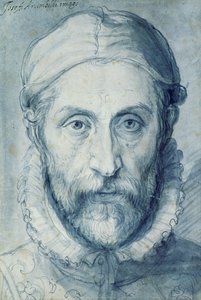
1527 - 1593 , Ιταλία


Μείνετε ενημερωμένοι για τις τελευταίες ειδήσεις σχετικά με την τέχνη, αποκλειστικές προσφορές και ιδέες διακόσμησης.
Πείτε μας περισσότερα για το έργο σας και οι ειδικοί μας στην τέχνη θα σας προσφέρουν 3 εξατομικευμένες προτάσεις έργων τέχνης.
Αφήστε μας να επιμεληθούμε 3 επιλογές αποκλειστικά για εσάς – Δωρεάν!


 Δείτε σε πραγματικό χώρο
 Αποστολή
 Κοινοποίηση
 Λεπτομέρειες

 Λήψη
Λήψη
 Παρόμοια αντικείμενα συλλογής
 Ακτινογραφία
 Παρουσίαση


 Διαβάστε περισσότερα


