


x

Εκτύπωση giclée ή σε καμβά ποιότητας μουσείου με γρήγορη παραγωγή και ευέλικτες επιλογές φινιρίσματος. ( Αγορά χειροποίητου πίνακα Αγορά ψηφιακής εικόνας)





























Επιλέξτε από τις προκαθορισμένες διαστάσεις μας που διατηρούν τις αρχικές αναλογίες του έργου τέχνης.

Μπορείτε να εισαγάγετε δικές σας διαστάσεις ώστε να ταιριάξουν με ένα συγκεκριμένο πλαίσιο ή χώρο. Εάν το επιλεγμένο μέγεθος δεν συμπίπτει με τις αναλογίες της πρωτότυπης εικόνας, θα κόψουμε το έργο τέχνης ή θα επεκτείνουμε την εικόνα με καθρεφτισμένη ή μονόχρωμη ατέλεια. Θα σας αποσταλεί ένα ψηφιακό mockup για έγκρισή σας πριν από την έναρξη της παραγωγής.
Παρακαλούμε σημειώστε ότι η προεπισκόπηση στην οθόνη δεν αντικατοπτρίζει την πραγματική κοπή ή επέκταση. Μόνο το mockup θα δείξει με ακρίβεια την τελική σύνθεση.
Παρόλο που είναι διαθέσιμες προσαρμοσμένες διαστάσεις, προτείνουμε την επιλογή μιας διάστασης από τη προκαθορισμένη λίστα για τη διατήρηση των αρχικών αναλογιών.
Παγκόσμια Αποστολή () σε 2 εβδομάδες αντί για τις συνήθεις 4/5 εβδομάδες. (21 Αύγουστος)


Hope I
Διαστάσεις Αναπαραγωγής
Gustav Klimt's “Hope I,” painted in 1903, isn’t merely a depiction of a pregnant woman; it’s an immersive experience, a potent distillation of anxieties, desires, and the cyclical nature of life itself. This oil painting, now residing within the National Gallery of Canada, stands as a cornerstone of Klimt's mature style – a period characterized by opulent decoration, intricate patterns, and a daring exploration of the human psyche. It’s a work that simultaneously draws you in with its beauty and unsettles you with its underlying currents of mortality and uncertainty.
Klimt, a pivotal figure in Vienna Secession, rejected the rigid constraints of academic art, forging his own path toward a more expressive and emotionally charged aesthetic. His background, steeped in his father’s gold engraving – a profession that instilled within him an appreciation for texture, light, and the transformative power of precious materials – profoundly shaped his artistic vision. This influence is immediately apparent in “Hope I,” where Klimt masterfully employs gold leaf to create a shimmering, almost ethereal atmosphere, elevating the subject matter beyond simple representation.
“Hope I” is undeniably a product of Art Nouveau – a movement that sought to liberate art from its historical shackles and embrace the organic forms of nature. The sinuous curves, flowing lines, and decorative elements are hallmarks of this style, evident in the woman’s draped garments and the swirling background figures. However, Klimt doesn't simply mimic Art Nouveau; he subverts it, injecting a layer of psychological complexity rarely found within the movement’s more overtly celebratory works. The painting’s composition is deliberately unsettling, creating a visual tension between beauty and decay.
The central figure, a pregnant woman bathed in golden light, dominates the canvas. Her direct gaze engages the viewer immediately, conveying both vulnerability and strength. Her nudity isn't presented as overtly erotic; rather, it’s imbued with a sense of profound dignity and resilience. The surrounding figures – a skeletal man, sickly individuals, and a monstrous sea creature – represent the forces of death, disease, and madness that threaten to extinguish hope. This juxtaposition creates a powerful allegory for the precariousness of existence and the constant struggle against mortality.
The symbolism within “Hope I” is layered and deliberately ambiguous. The pregnant woman, despite being surrounded by symbols of decay, embodies hope itself – a promise of new life amidst the encroaching darkness. The skull above her head serves as a stark reminder of mortality, while the sea monster represents primal fears and anxieties. The forget-me-not flowers adorning her hair are traditionally associated with remembrance and loyalty, suggesting a connection to the past and a yearning for continuity.
Interestingly, Klimt’s personal life may have informed this work. The artist's son, Otto Zimmermann, tragically died in infancy, casting a shadow over his creative output. Some art historians believe that “Hope I” reflects this loss – a poignant meditation on the fragility of life and the enduring power of hope in the face of grief. The sketch for the painting originally featured a male figure comforting the pregnant woman; however, Klimt ultimately replaced him with the skull, suggesting a shift towards themes of mortality and decay.
Experience the captivating beauty and profound symbolism of Gustav Klimt’s “Hope I” through a meticulously crafted reproduction from Most-Famous-Paintings.com. Our skilled artists utilize high-quality materials to faithfully recreate every detail of this iconic masterpiece, ensuring that you own a stunning work of art that captures the essence of Klimt's genius. Bring the drama and emotional depth of "Hope I" into your home or office – a testament to the enduring power of art.

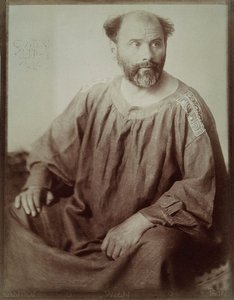
1862 - 1918 , Αυστρία

Explore the profound impact of the Vienna Secession movement. Discover how visionaries like Gustav Klimt revolutionized modern art through symbolism, gold leaf, and the concept of Gesamtkunstwerk in this expert-led historical guide.


Μείνετε ενημερωμένοι για τις τελευταίες ειδήσεις σχετικά με την τέχνη, αποκλειστικές προσφορές και ιδέες διακόσμησης.
Πείτε μας περισσότερα για το έργο σας και οι ειδικοί μας στην τέχνη θα σας προσφέρουν 3 εξατομικευμένες προτάσεις έργων τέχνης.
Αφήστε μας να επιμεληθούμε 3 επιλογές αποκλειστικά για εσάς – Δωρεάν!


 Δείτε σε πραγματικό χώρο
 Αποστολή
 Κοινοποίηση
 Λεπτομέρειες

 Λήψη
Λήψη
 Παρόμοια αντικείμενα συλλογής
 Ακτινογραφία
 Παρουσίαση

 Διαβάστε περισσότερα







 Η επιλογή με γυαλί είναι διαθέσιμη μόνο για μεγέθη κάτω από 110 εκ.


