x


 Αγοράστε την αναπαραγωγή Αγορά ψηφιακής εικόνας
 Αποστολή
 Λεπτομέρειες
 Προσθήκη στα αγαπημένα
 Λήψη
Λήψη
 Παρόμοια έργα
 Ακτινογραφία
 Παρουσίαση
Εκτύπωση giclée ή σε καμβά ποιότητας μουσείου με γρήγορη παραγωγή και ευέλικτες επιλογές φινιρίσματος.
Επιλέξτε από τις προκαθορισμένες διαστάσεις μας που διατηρούν τις αρχικές αναλογίες του έργου τέχνης.

Μπορείτε να εισαγάγετε δικές σας διαστάσεις ώστε να ταιριάξουν με ένα συγκεκριμένο πλαίσιο ή χώρο. Εάν το επιλεγμένο μέγεθος δεν συμπίπτει με τις αναλογίες της πρωτότυπης εικόνας, θα κόψουμε το έργο τέχνης ή θα επεκτείνουμε την εικόνα με καθρεφτισμένη ή μονόχρωμη ατέλεια. Θα σας αποσταλεί ένα ψηφιακό mockup για έγκρισή σας πριν από την έναρξη της παραγωγής.
Παρακαλούμε σημειώστε ότι η προεπισκόπηση στην οθόνη δεν αντικατοπτρίζει την πραγματική κοπή ή επέκταση. Μόνο το mockup θα δείξει με ακρίβεια την τελική σύνθεση.
Παρόλο που είναι διαθέσιμες προσαρμοσμένες διαστάσεις, προτείνουμε την επιλογή μιας διάστασης από τη προκαθορισμένη λίστα για τη διατήρηση των αρχικών αναλογιών.
Παγκόσμια Αποστολή () σε 2 εβδομάδες αντί για τις συνήθεις 4/5 εβδομάδες. (22 Ιούλιος)


Jurisprudence
Διαστάσεις Αναπαραγωγής
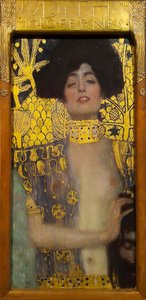
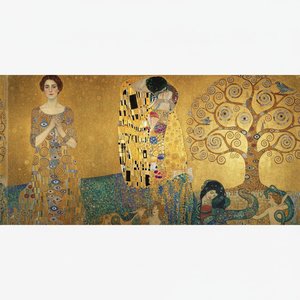
Gustav Klimt’s “Jurisprudence,” completed in 1907, stands as a monumental testament to the Art Nouveau movement's fascination with opulent decoration and symbolic representation. More than just a painting; it was conceived as part of a grand ceiling mural for Vienna University’s Great Hall—a project tragically lost to fire—making its surviving reproductions even more precious.
The artwork depicts Justice, Law and Truth as intertwined figures battling against turbulent waves—a visual metaphor for the challenges faced in upholding moral principles amidst societal pressures. The central figure embodies Justice herself, adorned with a robe embellished with geometric patterns reminiscent of Byzantine mosaics. Surrounding her are representations of Philosophy and Medicine, symbolizing intellect and healing – elements crucial to fostering a balanced society.
However, “Jurisprudence”’s true brilliance lies in its decorative complexity. Klimt employed a technique known as cloisonné enamel—a method traditionally used for liturgical objects—to create textured surfaces filled with shimmering gold leaf and vibrant pigments. These interwoven lines and patterns aren't merely ornamental; they actively contribute to the painting’s narrative, representing the labyrinthine nature of legal proceedings and the struggle for moral clarity.
A prominent motif is a figure standing upright, clutching a torch aloft—a symbol of enlightenment and illumination battling against the encroaching darkness. Above him floats a tapestry bearing the Latin word “LEX,” emphasizing the importance of law as a guiding force. The overall impression is one of profound contemplation – Klimt invites us to consider not only legal matters but also the ethical dilemmas inherent in navigating life’s complexities.
“Jurisprudence” continues to resonate with audiences today, serving as an enduring emblem of Art Nouveau's ambition to elevate art beyond mere visual pleasure into a vehicle for conveying philosophical and moral truths. Its exquisite craftsmanship and evocative symbolism solidify Klimt’s place among the most influential artists of his era.

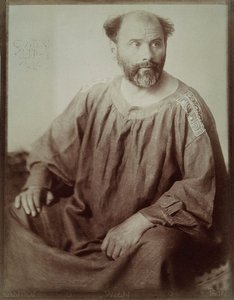
1862 - 1918 , Αυστρία
Ανακαλύψτε τους 25 πιο εμβληματικούς πίνακες του Gustav Klimt! Εξερευνήστε την τέχνη Art Nouveau, τον συμβολισμό και τα χρυσά χρώματα που καθόρισαν το έργο του. Βρείτε αναπαραγωγές υψηλής ποιότητας για διακόσμηση σπιτιού στο Most-Famous-Paintings.com.

Ανακαλύψτε τα 10 εμβληματικά έργα που καθόρισαν την Αρτ Νουβώ! Alphonse Mucha, Gustav Klimt & άλλοι. Ιστορίες τέχνης, τεχνικές και έμπνευση για διακόσμηση σπιτιού. Βρείτε αναπαραγωγές υψηλής ποιότητας στο Most-Famous-Paintings.com

Ανακαλύψτε τους 25 θησαυρούς του Metropolitan Museum of Art! Ιμπρεσιονισμός, Βαν Γκογκ, Μονέ & άλλα αριστουργήματα. Έμπνευση για διακόσμηση σπιτιού με πίνακες υψηλής ποιότητας. Εξερευνήστε την πλήρη συλλογή στο Most-Famous-Paintings.com

Ανακαλύψτε τα 10 θρυλικά χάλκινα αγάλματα που διαμόρφωσαν την τέχνη! Από τον Rodin στον Michelangelo, εξερευνήστε ιστορίες, τεχνικές & αισθητική. Βρείτε αντίγραφα υψηλής ποιότητας για το σπίτι σας στην Most-Famous-Paintings.com.

Ανακαλύψτε τους 25 θησαυρούς του Detroit Institute of Arts! Van Gogh, Monet, Rembrandt και άλλοι διάσημοι καλλιτέχνες. Ιστορίες τέχνης, τεχνικές & έμπνευση για το σπίτι σας. Βρείτε αναπαραγωγές υψηλής ποιότητας στο Most-Famous-Paintings.com.


Μείνετε ενημερωμένοι για τις τελευταίες ειδήσεις σχετικά με την τέχνη, αποκλειστικές προσφορές και ιδέες διακόσμησης.
Πείτε μας περισσότερα για το έργο σας και οι ειδικοί μας στην τέχνη θα σας προσφέρουν 3 εξατομικευμένες προτάσεις έργων τέχνης.
Αφήστε μας να επιμεληθούμε 3 επιλογές αποκλειστικά για εσάς – Δωρεάν!


 Κοινοποίηση


 Περισσότερα λεπτομέρεια




































 Η επιλογή με γυαλί είναι διαθέσιμη μόνο για μεγέθη κάτω από 110 εκ.