x

Χειροποίητη α óleo σε καμβά στο δικό σας μέγεθος και πλαίσιο, κατά παραγγελία από τους καλλιτέχνες μας. ( Μετάβαση στην Εκτύπωση Μετάβαση σε Εικόνα)





























Επιλέξτε από τις προκαθορισμένες διαστάσεις μας που διατηρούν τις αρχικές αναλογίες του έργου τέχνης.

Μπορείτε να εισάγετε δικές σας διαστάσεις για να ταιριάξετε το έργο με ένα συγκεκριμένο πλαίσιο ή χώρο. Εάν το επιλεγμένο μέγεθος δεν συμπίπτει με τις αναλογίες της αρχικής εικόνας, θα περικοψούμε το έργο τέχνης ή θα επεκτείνουμε τη ζωγραφιά με πρόσθετα χειρόγραφα στοιχεία. Ένα ψηφιακό προσχέδιο θα σας σταλεί για έγκριση πριν την έναρξη της παραγωγής.
Παρακαλούμε σημειώστε ότι η προεπισκόπηση στην οθόνη δεν αντικατοπτρίζει την πραγματική περικοπή ή επέκταση. Μόνο το προσχέδιο θα δείξει με ακρίβεια την τελική σύνθεση.
Παρόλο που είναι διαθέσιμα προσαρμοσμένα μεγέθη, συνιστούμε να επιλέξετε μια διάσταση από τη λίστα των προκαθορισμένων μεγεθών για τη διατήρηση των αρχικών αναλογιών.
Παγκόσμια Αποστολή () σε 3/4 εβδομάδες αντί για τις συνήθεις 5 εβδομάδες. (5 Αύγουστος). Χωρίς συμβιβασμούς στην ποιότητα.


Orpheus and Eurydice
Διαστάσεις Αναπαραγωγής
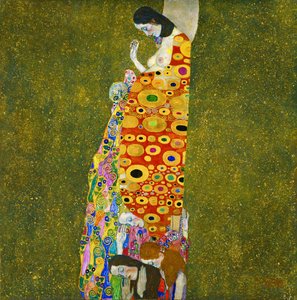
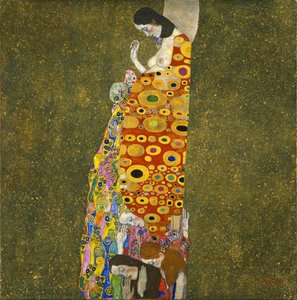
In the quiet intersection of myth and mastery, Gustav Klimt’s Orpheus and Eurydice emerges as a profound meditation on the fragility of human connection. Completed in 1885, this evocative work serves as an early emblem of the Viennese Secession’s burgeoning fascination with Symbolism, capturing a moment that feels both eternal and heartbreakingly fleeting. The painting portrays the legendary musician Orpheus serenading his beloved Eurydice as she begins her ascent from the underworld, a narrative that transcends mere Greek mythology to become a universal exploration of love, loss, and the yearning for transcendence. As the viewer gazes upon the scene, there is an undeniable sense of tension—the delicate balance between life and death, and the desperate struggle to hold onto what is already slipping away.
The composition is a masterclass in the Art Nouveau aesthetic, often referred to as Jugendstil. Eschewing the rigid geometric precision of academic traditions, Klimt utilizes flowing, organic lines and curvilinear forms that evoke the rhythmic pulse of the natural world. The setting, a lush garden atmosphere, provides a soft backdrop to the central figures, where the presence of nature—including a solitary bird perched in the periphery—adds a layer of delicate harmony to the composition. This fluidity is not merely stylistic but emotional; the very lines of the painting seem to breathe with the same uncertainty as the lovers themselves, creating a visual language that speaks directly to the soul.
What truly distinguishes this masterpiece is Klimt’s groundbreaking approach to texture and luminosity. Utilizing tempera paint on canvas, the artist achieved a level of durability and brilliance that allows the colors to resonate with an ethereal glow. However, it is his pioneering application of gold leaf that transforms the work into something otherworldly. This shimmering technique, inherited from his father’s expertise as a gold engraver, imbues the surface with a divine quality. The light does not simply hit the painting; it seems to emanate from within it, casting a celestial radiance that elevates the tragic subject matter into the realm of the sacred.
This use of gold serves a dual purpose: it is both a technical triumph and a profound symbolic tool. In the context of Klimt’s work, the golden hues represent divine grace and immortality, acting as a visual counterpoint to the mortal sorrow depicted in the figures' expressions. For the collector or interior designer, this interplay of light and precious texture offers an unparalleled opportunity to introduce a sense of opulence and historical depth into a space. A high-quality reproduction of this piece brings not just a painting, but a tactile experience of luxury and a window into the golden age of Viennese art.
To possess a reproduction of Orpheus and Eurydice is to invite a conversation about the human condition into one's home. The painting captures the exact moment of transition—the bittersweet reconciliation between the earthly and the divine. For those seeking to curate an environment of intellectual depth and emotional resonance, this work provides a focal point that is both visually arresting and narratively rich. It stands as a testament to Klimt’s ability to weave complex esoteric ideas into a beautiful, accessible tapestry of color and form.
Whether placed in a contemporary gallery setting or a classic study, the artwork commands attention through its balanced composition and the haunting beauty of its subject. It remains an essential piece for anyone moved by the power of Symbolism and the enduring allure of the golden light that Klimt so masterfully captured over a century ago.

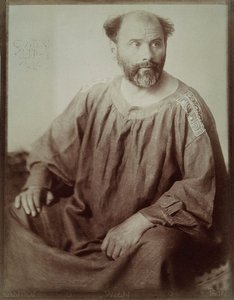
1862 - 1918 , Αυστρία
Ανακαλύψτε τους 25 πιο εμβληματικούς πίνακες του Gustav Klimt! Εξερευνήστε την τέχνη Art Nouveau, τον συμβολισμό και τα χρυσά χρώματα που καθόρισαν το έργο του. Βρείτε αναπαραγωγές υψηλής ποιότητας για διακόσμηση σπιτιού στο Most-Famous-Paintings.com.

Ανακαλύψτε τα 10 εμβληματικά έργα που καθόρισαν την Αρτ Νουβώ! Alphonse Mucha, Gustav Klimt & άλλοι. Ιστορίες τέχνης, τεχνικές και έμπνευση για διακόσμηση σπιτιού. Βρείτε αναπαραγωγές υψηλής ποιότητας στο Most-Famous-Paintings.com

Ανακαλύψτε τους 25 θησαυρούς του Metropolitan Museum of Art! Ιμπρεσιονισμός, Βαν Γκογκ, Μονέ & άλλα αριστουργήματα. Έμπνευση για διακόσμηση σπιτιού με πίνακες υψηλής ποιότητας. Εξερευνήστε την πλήρη συλλογή στο Most-Famous-Paintings.com

Ανακαλύψτε τα 10 αριστουργήματα του Συμβολισμού! Gustav Klimt, Munch & άλλοι καλλιτέχνες. Ιστορία, τεχνικές και έμπνευση για διακόσμηση σπιτιού με πίνακες υψηλής ποιότητας. Εξερευνήστε τη συλλογή στο Most-Famous-Paintings.com.
Ανακαλύψτε τους 25 θησαυρούς της Εθνικής Πινακοθήκης Τέχνης! Ιμπρεσιονισμός, μοντερνισμός & πίνακες Cézanne, Matisse, Picasso. Βρείτε έμπνευση για το σπίτι σας και υψηλής ποιότητας αναπαραγωγές στην Most-Famous-Paintings.com.


Μείνετε ενημερωμένοι για τις τελευταίες ειδήσεις σχετικά με την τέχνη, αποκλειστικές προσφορές και ιδέες διακόσμησης.
Πείτε μας περισσότερα για το έργο σας και οι ειδικοί μας στην τέχνη θα σας προσφέρουν 3 εξατομικευμένες προτάσεις έργων τέχνης.
Αφήστε μας να επιμεληθούμε 3 επιλογές αποκλειστικά για εσάς – Δωρεάν!


 Προεπισκόπηση
 Αποστολή
 Κοινοποίηση
 Λεπτομέρειες

 Λήψη
Λήψη
 Παρόμοια έργα
 Ακτινογραφία
 Παρουσίαση

 Περισσότερα λεπτομέρεια







 Η επιλογή με γυαλί είναι διαθέσιμη μόνο για μεγέθη κάτω από 110 εκ.