
Πουλήστε την τέχνη σας
Λίστα επιθυμιών Καλάθι Αγορών Cart
x
Δείτε σε πραγματικό χώροΔείτε σε πραγματικό χώρο Προεπισκόπηση σε ARΠροεπισκόπηση σε AR Αγορά εκτύπωσης Αγορά εκτύπωσηςΑγορά χειροποίητου πίνακα Αγορά χειροποίητου πίνακα ΑποστολήΑποστολή
ΛεπτομέρειεςΛεπτομέρειες Προσθήκη στα αγαπημένα Προσθήκη στα αγαπημένα ΛήψηΛήψη Παρόμοια αντικείμενα συλλογήςΠαρόμοια αντικείμενα συλλογής ΑκτινογραφίαΑκτινογραφία ΠαρουσίασηΠαρουσίαση

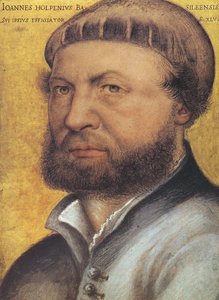
untitled (9357)

Admire Hans Holbein the Younger’s masterful portrait of ambassadors—a stunning replica capturing Renaissance elegance and psychological insight. Explore Most-Famous-Paintings's exquisite reproductions.

Ο Χανς Χολμπίν ο Νέος (1497-1543): Ένας κορυφαίος ζωγράφος της Αναγέννησης με εκπληκτικό ρεαλισμό και ψυχική εμβέλεια, γνωστός για τα πορτρέτα του Βασιλιά Εδουάρδου Ζ΄ και την ακριβή λεπτομέρειά του.

Αγοράστε μια ψηφιακή εικόνα υψηλής ανάλυσης και βελτιωμένης ποιότητας, πολύ ανώτερης από την προεπισκόπηση στο διαδίκτυο.

Κάθε αρχείο προετοιμάζεται σχολαστικά από τους εξειδικευμένους συνεργάτες μας, με τη χρήση προηγμένων εργαλείων και χειροκίνητου ρετουσαρίσματος υψηλής ακρίβειας. Εξασφαλίζουμε ότι κάθε εικόνα προσφέρει εξαιρετική ευκρίνεια, απόλυτη πιστότητα στο χρώμα και λεπτομερή ανάδραση των λεπτομερειών.

Το τελικό αρχείο παραδίδεται μέσω email εντός 72 ωρών, βελτιστοποιημένο για άμεση χρήση σε επαγγελματικά, εκδοτικά και έντυπα περιβάλλοντα. Πρόκειται για την ίδια ποιότητα που εμπιστεύονται κορυφαία studios σχεδιασμού, εκδότες και γκαλερί.

Ψηφιακή εικόνα

Κατεβάστε ένα αρχείο υψηλής ανάλυσης για προσωπική χρήση, εκτύπωση και δημιουργικά έργα. (Αγορά εκτύπωσης Αγορά εκτύπωσηςΑγορά χειροποίητου πίνακα Αγορά χειροποίητου πίνακα)

Συνολικό Κόστος

$ 24,90

Περιλαμβάνεται σε κάθε παραγγελία ψηφιακής εικόνας

Επαγγελματική Ψηφιακή Παράδοση με Εγγύηση

Όταν επιλέγετε το Most-Famous-Paintings.com, δεν αποκτάτε απλώς μια εικόνα – λαμβάνετε ένα επαγγελματικά αναβαθμισμένο ψηφιακό έργο τέχνης, δημιουργημένο με ακρίβεια και με εγγύηση ικανοποίησης. Δείτε όλα όσα περιλαμβάνονται στην παραγγελία σας, αυτόματα:

shipping_icon
Άμεση αποστολή μέσω email

Το ψηφιακό σας αρχείο εικόνας υψηλής ανάλυσης θα σας σταλεί μέσω email εντός 72 ωρών από την παραγγελία σας — έτοιμο για άμεση χρήση.

canvas_icon
Ψηφιακό Αρχείο με Τεχνητή Νοημοσύνη

Το έργο σας βελτιστοποιείται επαγγελματικά με τη χρήση προηγμένων εργαλείων Τεχνητής Νοημοσύνης και χειροκίνητης επεξεργασίας, εξασφαλίζοντας μέγιστη λεπτομέρεια, ευκρίνεια και ακρίβεια χρωμάτων.

insurance_icon
Δωρεάν επανεκδόσεις مدى ζωής

Απώλησες ή διαγράψατε κατά λάθος το αρχείο σας; Μην ανησυχείτε — θα σας το ξαναστείλομε οποιαδήποτε στιγμή, δωρεάν.

tax_icon
Χωρίς Τελωνειακούς Φόρους - Ποτέ

Απολαύστε αμέσως τα έργα τέχνης σας χωρίς δασμούς, φόρους ή έξοδα αποστολής - οι ψηφιακές λήψεις είναι πάντα αφορεশিপτεία.

color_icon
Εγγύηση Ακριβούς Χρωματισμού

Εξασφαλίζουμε ότι η ψηφιακή σας εικόνα αποτυπώνει τα αυθεντικά χρώματα όσο το δυνατόν πιστότερα, χρησιμοποιώντας επαγγελματικά εργαλεία και διαχείριση χρωμάτων.

return_icon
Εγγύηση Ικανοποίησης 60 Ημερών

Εάν δεν είστε ικανοποιημένοι με την ψηφιακή σας εικόνα, θα την αναθεωρήσουμε ή θα σας επιστρέψουμε το 100% της αξίας της εντός 60 ημερών - χωρίς κανένα ερώτημα.

guarantee_icon
100% Εγγύηση Επιστροφής Χρήματος

Δεν είστε ικανοποιημένοι; Λάβετε πλήρη επιστροφή των χρημάτων σας εντός 60 ημερολογιακών ημερών από τη λήψη του ψηφιακού σας αρχείου — χωρίς κανένα ερώτημα.

discount_icon
Εκπτώσεις για μαζικές παραγγελίες

Αγοράστε 3 εικόνες, κάντε εξοικονόμηση 10% - Αγοράστε 5, κάντε εξοικονόμηση 15% - Αγοράστε 10+, κάντε εξοικονόμηση 20%. Ιδανικό για δημιουργικά έργα, γκαλερί και agencies.

Γρήγορα στοιχεία

  • Artist: Hans Holbein the Younger
  • Location: ArtsDot.com
  • Subject or theme: Conversation, Mortality, Knowledge
  • Title: untitled (9357)
  • Influences: Renaissance Humanism
  • Artistic style: Portraiture

ΚВИΖ Τέχνης

Για κάθε ερώτηση υπάρχει μόνο μία σωστή απάντηση.

Ερώτηση 1:
What is Hans Holbein the Younger primarily known for?
Ερώτηση 2:
The painting depicts two men engaged in conversation. What symbolic element contributes to the overall mood of serenity and contemplation?
Ερώτηση 3:
Which museum houses a significant collection of Holbein's works, including 'untitled (9357)?
Ερώτηση 4:
What is the significance of the clock on the wall in the painting?
Ερώτηση 5:
The dining table features a bowl and two books. What do these objects symbolize according to art historians?

Περιγραφή Συλλεκτικού Αντικειμένου

A Portrait of Dignity: Unpacking the Layers of Holbein’s “untitled (9357)”

Hans Holbein the Younger's "untitled (9357)" stands as a testament to the meticulous artistry that defined the Northern Renaissance, offering viewers an intimate glimpse into the intellectual and social milieu of its time. More than just a depiction of two men seated at a table laden with symbols—a bowl, books, and a clock—the painting embodies Holbein’s unparalleled ability to convey psychological complexity through painstakingly rendered detail. This remarkable artwork resides within the esteemed collection of The National Gallery in London, where it continues to captivate audiences with its serene beauty and profound contemplation.

Composition and Technique: Mastering Realism

Holbein's masterful technique is immediately apparent upon observation. He employs oil paint on panel—a favored medium for portraiture during the Renaissance—allowing for subtle gradations of tone and texture that capture the nuances of human form with astonishing accuracy. The artist’s attention to anatomical precision is evident in the posture of the seated figure, whose gaze directs downwards, suggesting introspection and perhaps a preoccupation with scholarly pursuits. Conversely, the standing man exudes confidence as he holds his hands behind him, conveying an aura of composure and quiet contemplation. These poses are skillfully rendered, contributing significantly to the overall impression of dignified restraint.

Symbolism Within Stillness: Decoding the Objects

The seemingly simple setting of “untitled (9357)” is rife with symbolic significance. The bowl positioned on the table represents hospitality and generosity—a virtue valued during the Renaissance period—while the two books symbolize knowledge, erudition, and the pursuit of intellectual enlightenment. Perhaps most powerfully, however, is the clock dominating the wall above the table. This emblem serves as a poignant reminder of mortality, prompting viewers to consider the fleeting nature of human existence against the backdrop of timeless beauty and contemplation. Holbein’s deliberate inclusion of these objects elevates the painting beyond mere likeness, transforming it into a meditation on humanist ideals.

Historical Context: Tudor England and Artistic Patronage

Painted circa 1530, “untitled (9357)” reflects the intellectual fervor of Tudor England—a period marked by burgeoning scientific inquiry and artistic innovation. Holbein’s work was commissioned by Henry VIII, demonstrating the importance of royal patronage in fostering artistic excellence. The painting exemplifies the humanist aesthetic prevalent during this era, prioritizing observation, reason, and a deep appreciation for human dignity. Its stylistic influence can be traced across numerous subsequent portraits, cementing Holbein's legacy as one of the foremost artists of his generation.

Emotional Resonance: A Moment Frozen in Time

Ultimately, “untitled (9357)” transcends its formal elements to evoke a powerful emotional response. The painting’s quiet stillness invites viewers into a contemplative space—a realm where intellect and emotion converge. It speaks to the universal human desire for connection, understanding, and reflection on the passage of time. Owning a high-quality reproduction allows you to experience this enduring artistic masterpiece firsthand, bringing its serene beauty and profound symbolism into your home. Explore more reproductions at Most-Famous-Paintings.com – where art history meets exquisite craftsmanship.

Βιογραφικό Καλλιτέχνη

Hans Holbein the Younger (1497-1543): Northern Renaissance Master of Realistic Portraiture, Famed for Painting Tudor Royalty and Intricate Detail

Hans Holbein the Younger (1497-1543) remains one of the most celebrated figures in Northern Renaissance art—a painter whose unparalleled skill in portraiture cemented his place as a titan of artistic innovation and psychological insight. Born around 1497 in Augsburg, Germany, he descended from a family steeped in artistic tradition; his father, Hans Holbein the Elder, was a respected painter and printmaker who instilled in young Hans an unwavering dedication to meticulous observation and masterful technique—a commitment that would define his entire career. This formative upbringing wasn’t merely about mastering brushstrokes or blending pigments; it was about cultivating a profound understanding of *seeing*, capturing not just physical likeness but the very essence of a subject's character and inner life—a distinction that distinguishes Holbein’s work from many of his contemporaries.

Early Artistic Training and Basel Years

Holbein’s artistic journey commenced within the Elder’s workshop, where he honed his skills alongside his father before embarking on expeditions to Switzerland and ultimately establishing himself in Basel. During these formative years, he produced a remarkable array of artworks—spanning portraits, religious depictions, and striking woodcut designs, most notably the chilling *Dance of Death* series. These early pieces served as crucial stepping stones toward mastering compositional principles and developing an acute sensitivity to human emotion—traits that would become hallmarks of his mature style. The *Dance of Death*, a macabre allegory exploring mortality and universal human experience, exemplifies Holbein’s ability to convey complex ideas through visual symbolism, demonstrating a level of sophistication rarely achieved by artists of the period. His meticulous attention to detail in rendering textures and facial expressions foreshadowed his later triumphs as a portraitist—a testament to his unwavering commitment to artistic excellence.

The Tudor Court: A Patronage That Shaped His Legacy

Fate intervened decisively in 1526 when Holbein arrived in England, invited by Erasmus of Rotterdam—a connection that swiftly propelled him into the orbit of influential Tudor figures like Sir Thomas More and Henry VIII himself. This patronage afforded Holbein unparalleled access to royal circles and provided him with opportunities to produce some of his most iconic portraits—images that continue to fascinate historians and art enthusiasts alike. His depiction of Henry VIII, arguably the most enduring portrait of the king, captures not only physical grandeur but also a subtle psychological complexity—a feat achieved through masterful use of chiaroscuro (light and shadow) and expressive facial gestures. Holbein’s portraits elevated Tudor royalty to an unprecedented level of artistic prestige, establishing him as one of the foremost artists of his time.

Technique and Artistic Innovation: The Holbein Method

Holbein's distinctive artistic style—often referred to as “the Holbein method”—was characterized by a revolutionary approach to portraiture. Unlike many painters who relied on idealized representations or superficial embellishments, Holbein pursued realism with obsessive precision. He employed a technique known as *sfumato*, blurring edges and softening contours to create an illusion of depth and atmosphere—a masterful manipulation of light and shadow that rendered subjects with astonishing lifelike quality. Furthermore, he meticulously studied anatomy and musculature, incorporating scientific accuracy into his depictions of the human form. This dedication to observation and anatomical understanding distinguishes Holbein’s work from many of his peers and underscores his profound intellectual curiosity. His meticulous layering of glazes—thin translucent coats of paint applied over multiple layers—produced surfaces that shimmered with luminosity and conveyed subtle nuances of color—a technique that would become influential throughout the Renaissance.

A Lasting Impression: Symbolism, Influence, and Enduring Fame

Holbein’s artistic legacy extends far beyond his technical achievements; it resides in his profound understanding of symbolism and his ability to infuse his paintings with deeper meanings. As exemplified by *The Ambassadors*, Holbein employed visual metaphors—such as the anamorphic skull—to convey philosophical concepts related to mortality and human existence—a daring stylistic choice that challenged conventional artistic norms. His influence permeated subsequent generations of artists, shaping the trajectory of portraiture and inspiring painters across Europe. He remains one of the most admired and studied figures in Renaissance art—a testament to his unparalleled skill, intellectual curiosity, and enduring contribution to Western artistic heritage. His meticulous attention to detail ensured that Holbein’s portraits transcended mere likeness; they captured moments in time, preserving them for posterity.
Χανς Χολμπίν ο Νέος

Χανς Χολμπίν ο Νέος

1497 - 1543 , Γερμανία

Γρήγορα στοιχεία

  • Artistic Movement Or Style: Αναγέννηση Βόρειας
  • Artists Or Movements Influenced By This Artist: ['Μετέπειτα καλλιτέχνες πορτρέτου']
  • Artists Who Influenced This Artist: ['Άλbrecht Ντύρερ']
  • Date Of Birth: c. 1497
  • Date Of Death: October or November 1543
  • Full Name: Hans Holbein der Jüngere
  • Nationality: Γερμανός-Ελβετικός
  • Notable Artworks:
    • Οι Πρεσβύτεροι
    • Ανέπτυξη μελέτης για την ένταση: αποκάλυψη του εικαστικού πορτρέτου του Χανς Χολμπίν του Νεότερου
    • Μανώλη η Μαρία
  • Place Of Birth: Augsburg, Germany

