


x

Εκτύπωση giclée ή σε καμβά ποιότητας μουσείου με γρήγορη παραγωγή και ευέλικτες επιλογές φινιρίσματος. ( Αγορά χειροποίητου πίνακα Αγορά ψηφιακής εικόνας)
Επιλέξτε από τις προκαθορισμένες διαστάσεις μας που διατηρούν τις αρχικές αναλογίες του έργου τέχνης.

Μπορείτε να εισαγάγετε δικές σας διαστάσεις ώστε να ταιριάξουν με ένα συγκεκριμένο πλαίσιο ή χώρο. Εάν το επιλεγμένο μέγεθος δεν συμπίπτει με τις αναλογίες της πρωτότυπης εικόνας, θα κόψουμε το έργο τέχνης ή θα επεκτείνουμε την εικόνα με καθρεφτισμένη ή μονόχρωμη ατέλεια. Θα σας αποσταλεί ένα ψηφιακό mockup για έγκρισή σας πριν από την έναρξη της παραγωγής.
Παρακαλούμε σημειώστε ότι η προεπισκόπηση στην οθόνη δεν αντικατοπτρίζει την πραγματική κοπή ή επέκταση. Μόνο το mockup θα δείξει με ακρίβεια την τελική σύνθεση.
Παρόλο που είναι διαθέσιμες προσαρμοσμένες διαστάσεις, προτείνουμε την επιλογή μιας διάστασης από τη προκαθορισμένη λίστα για τη διατήρηση των αρχικών αναλογιών.
Παγκόσμια Αποστολή () σε 2 εβδομάδες αντί για τις συνήθεις 4/5 εβδομάδες. (23 Αύγουστος)


Blue Pitcher
Διαστάσεις Αναπαραγωγής
Henri Matisse's “Blue Pitcher,” painted in 1901, stands as a cornerstone of Fauvist art—a movement that irrevocably altered the course of twentieth-century painting. More than just a depiction of domestic objects, it embodies Matisse’s revolutionary approach to color and composition, reflecting his profound belief that art should express emotion rather than merely imitate reality.
The canvas presents a deceptively simple arrangement: a blue vase dominates the center stage, perched atop a pitcher. Surrounding it are two bottles positioned on either side, creating an equilibrium that’s subtly reinforced by the inclusion of a spoon resting upon the tabletop. Matisse eschewed traditional perspective and shading techniques, prioritizing instead the vibrancy of color to convey feeling. This deliberate rejection of academic conventions was precisely what defined Fauvism—a bold assertion that color could be its own reward.
Matisse’s masterful brushwork is instantly recognizable. Thick, impasto strokes – meaning paint applied thickly – imbue the canvas with palpable energy and texture. Each stroke isn't merely a mark; it’s an instrument of expression, channeling Matisse’s inner vision onto the surface. The artist meticulously layered hues of blue—ranging from cerulean to indigo—creating depth and luminosity that transcends mere visual representation.
"Blue Pitcher" emerged during a period of artistic ferment, challenging the prevailing aesthetic sensibilities of Impressionism. While Impressionists sought to capture fleeting moments of light and atmosphere, Matisse deliberately prioritized color as its primary vehicle for conveying emotion. This decision aligns with broader intellectual currents of the time—a burgeoning interest in psychology and symbolism—reflecting Matisse’s conviction that art should resonate beyond superficial appearances.
The choice of blue itself is significant. Often associated with tranquility, spirituality, and introspection, it serves as a counterpoint to the darker tones surrounding it. The vase and pitcher—familiar objects imbued with everyday life—become symbols of domestic harmony and contemplation. Ultimately, “Blue Pitcher” invites viewers into Matisse’s emotional landscape, prompting reflection on beauty, color, and the expressive power of art. It remains an enduring testament to Matisse's genius and a pivotal work in the history of Fauvist painting.


1869 - 1954 , Γαλλία
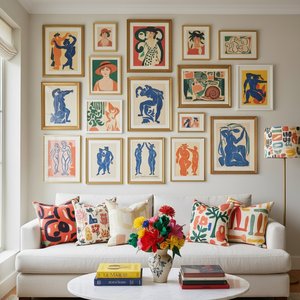
Ανακαλύψτε τα 25 εμβληματικότερα έργα τέχνης του Ενρί Ματίς! Μάθετε για το Fauvism, την τεχνική και τα χρώματα που έκαναν τον καλλιτέχνη θρύλο. Υψηλής ποιότητας αναπαραγωγές πινάκων & ιδέες διακόσμησης στο Most-Famous-Paintings.com.

Ανακαλύψτε τα 10 κορυφαία έργα που καθόρισαν τον Φωβισμό! Matisse, Derain & άλλοι καλλιτέχνες. Ιστορία, χρώματα και τεχνικές σε πίνακες ζωγραφικής. Βρείτε την τέλεια αναπαραγωγή για το σπίτι σας στην Most-Famous-Paintings.com.
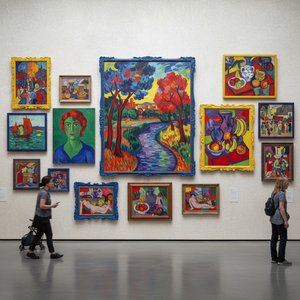
Ανακαλύψτε τα 10 εμβληματικά έργα που καθόρισαν τον Φωβισμό! Matisse, Derain & άλλοι ζωγράφοι. Ιστορία, τεχνική και έντονα χρώματα. Βρείτε αναπαραγωγές υψηλής ποιότητας για την διακόσμηση του σπιτιού σας στην Most-Famous-Paintings.com.

Ανακαλύψτε τους 10 πιο διάσημους πίνακες με κυρίαρχο το χρώμα του σλατι! Ιμπρεσιονισμός, Van Gogh, Monet & άλλοι μεγάλοι ζωγράφοι. Βρείτε αναπαραγωγές έργων τέχνης υψηλής ποιότητας για την διακόσμηση του χώρου σας στην Most-Famous-Paintings.com.

Ανακαλύψτε τα 10 πιο τολμηρά έργα τέχνης που αποπνέουν δύναμη και πάθος! Από Βαν Γκογκ έως Πικάσο, εξερευνήστε την ιστορία, τις τεχνικές & τα χρώματα που έκαναν αυτούς τους πίνακες διαχρονικούς. Υψηλής ποιότητας αναπαραγωγές στο Most-Famous-Paintings.com.


Μείνετε ενημερωμένοι για τις τελευταίες ειδήσεις σχετικά με την τέχνη, αποκλειστικές προσφορές και ιδέες διακόσμησης.
Πείτε μας περισσότερα για το έργο σας και οι ειδικοί μας στην τέχνη θα σας προσφέρουν 3 εξατομικευμένες προτάσεις έργων τέχνης.
Αφήστε μας να επιμεληθούμε 3 επιλογές αποκλειστικά για εσάς – Δωρεάν!


 Δείτε σε πραγματικό χώρο
 Αποστολή
 Κοινοποίηση
 Λεπτομέρειες

 Λήψη
Λήψη
 Παρόμοια αντικείμενα συλλογής
 Ακτινογραφία
 Παρουσίαση

 Διαβάστε περισσότερα




































 Η επιλογή με γυαλί είναι διαθέσιμη μόνο για μεγέθη κάτω από 110 εκ.


