x

 Άνθρακα και λάδι σε καμβάΕκθέσιμα Έργα ΤέχνηςFauvism
 1905Μοντέρνα εποχή
 60.0 x 73.0 cm
Εκτύπωση giclée ή σε καμβά ποιότητας μουσείου με γρήγορη παραγωγή και ευέλικτες επιλογές φινιρίσματος. ( Αγορά χειροποίητου πίνακα Αγορά ψηφιακής εικόνας)





























Επιλέξτε από τις προκαθορισμένες διαστάσεις μας που διατηρούν τις αρχικές αναλογίες του έργου τέχνης.

Μπορείτε να εισαγάγετε δικές σας διαστάσεις ώστε να ταιριάξουν με ένα συγκεκριμένο πλαίσιο ή χώρο. Εάν το επιλεγμένο μέγεθος δεν συμπίπτει με τις αναλογίες της πρωτότυπης εικόνας, θα κόψουμε το έργο τέχνης ή θα επεκτείνουμε την εικόνα με καθρεφτισμένη ή μονόχρωμη ατέλεια. Θα σας αποσταλεί ένα ψηφιακό mockup για έγκρισή σας πριν από την έναρξη της παραγωγής.
Παρακαλούμε σημειώστε ότι η προεπισκόπηση στην οθόνη δεν αντικατοπτρίζει την πραγματική κοπή ή επέκταση. Μόνο το mockup θα δείξει με ακρίβεια την τελική σύνθεση.
Παρόλο που είναι διαθέσιμες προσαρμοσμένες διαστάσεις, προτείνουμε την επιλογή μιας διάστασης από τη προκαθορισμένη λίστα για τη διατήρηση των αρχικών αναλογιών.
Παγκόσμια Αποστολή () σε 2 εβδομάδες αντί για τις συνήθεις 4/5 εβδομάδες. (20 Αύγουστος)


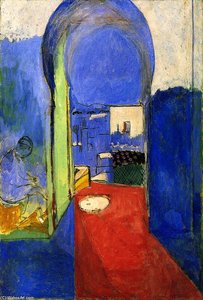
Collioure Interior
Διαστάσεις Αναπαραγωγής
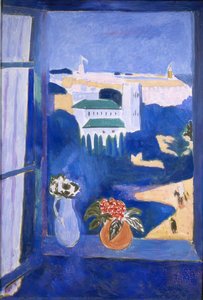
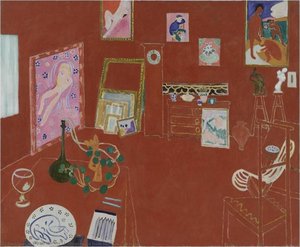
“Collioure Interior” transports viewers to a serene domestic scene in the picturesque town of Collioure, France. The painting depicts a woman seated comfortably on a bench near a window, tenderly holding a baby while gazing out at the vibrant landscape beyond. The room itself is simply furnished with a bed and two chairs, creating an intimate atmosphere. However, it's Matisse’s bold use of color that truly brings the scene to life. The foreground bursts with reds, greens, and yellows, contrasting beautifully with the tranquil backdrop of the Collioure scenery visible through the window.
This artwork is a prime example of Fauvism, an art movement that emerged in France around 1905. "Fauves" translates to “wild beasts,” reflecting the critics’ initial reaction to the movement's unconventional use of color and energetic brushstrokes. Henri Matisse was one of its leading figures. Fauvist artists rejected traditional techniques of realistic representation, instead prioritizing emotional expression through vibrant, non-naturalistic colors. They sought to liberate color from its descriptive function, using it purely for aesthetic impact.
While seemingly a simple domestic scene, "Collioure Interior" carries deeper symbolic weight. The woman's gaze towards the landscape suggests a longing or contemplation, while the presence of the baby evokes themes of motherhood and familial love. The intense colors aren’t meant to accurately depict reality but rather to convey Matisse’s emotional response to the scene. The painting exudes a sense of warmth, tranquility, and joy—a celebration of life's simple pleasures. The bold color choices create an almost dreamlike quality, inviting viewers to immerse themselves in the artist's subjective experience.
Painted during Matisse’s time spent in Collioure, "Collioure Interior" reflects a period of artistic experimentation and innovation. It marks a significant step towards abstraction in Matisse’s work, as he increasingly prioritized color and form over realistic representation. The painting's influence can be seen in subsequent generations of artists who embraced bold colors and expressive brushwork. It remains an iconic example of Fauvism and a testament to Matisse’s enduring legacy as one of the most important figures in modern art.


1869 - 1954 , Γαλλία
Ανακαλύψτε τα 25 εμβληματικότερα έργα τέχνης του Ενρί Ματίς! Μάθετε για το Fauvism, την τεχνική και τα χρώματα που έκαναν τον καλλιτέχνη θρύλο. Υψηλής ποιότητας αναπαραγωγές πινάκων & ιδέες διακόσμησης στο Most-Famous-Paintings.com.

Ανακαλύψτε τα 10 κορυφαία έργα που καθόρισαν τον Φωβισμό! Matisse, Derain & άλλοι καλλιτέχνες. Ιστορία, χρώματα και τεχνικές σε πίνακες ζωγραφικής. Βρείτε την τέλεια αναπαραγωγή για το σπίτι σας στην Most-Famous-Paintings.com.
Ανακαλύψτε τα 10 εμβληματικά έργα που καθόρισαν τον Φωβισμό! Matisse, Derain & άλλοι ζωγράφοι. Ιστορία, τεχνική και έντονα χρώματα. Βρείτε αναπαραγωγές υψηλής ποιότητας για την διακόσμηση του σπιτιού σας στην Most-Famous-Paintings.com.

Explore the revolutionary art of Henri Matisse! Discover his bold use of color, Fauvist origins, and lasting impact on modern painting. A comprehensive guide for art enthusiasts.

Explore the revolutionary Fauvism movement & Henri Matisse's bold use of color! Discover key characteristics, iconic artworks, and its lasting impact on modern art history with Most-Famous-Paintings.


Μείνετε ενημερωμένοι για τις τελευταίες ειδήσεις σχετικά με την τέχνη, αποκλειστικές προσφορές και ιδέες διακόσμησης.
Πείτε μας περισσότερα για το έργο σας και οι ειδικοί μας στην τέχνη θα σας προσφέρουν 3 εξατομικευμένες προτάσεις έργων τέχνης.
Αφήστε μας να επιμεληθούμε 3 επιλογές αποκλειστικά για εσάς – Δωρεάν!


 Δείτε σε πραγματικό χώρο
 Αποστολή
 Κοινοποίηση
 Λεπτομέρειες

 Λήψη
Λήψη
 Παρόμοια αντικείμενα συλλογής
 Ακτινογραφία
 Παρουσίαση
 Διαβάστε περισσότερα







 Η επιλογή με γυαλί είναι διαθέσιμη μόνο για μεγέθη κάτω από 110 εκ.