x

Εκτύπωση giclée ή σε καμβά ποιότητας μουσείου με γρήγορη παραγωγή και ευέλικτες επιλογές φινιρίσματος. ( Αγορά χειροποίητου πίνακα Αγορά ψηφιακής εικόνας)





























Επιλέξτε από τις προκαθορισμένες διαστάσεις μας που διατηρούν τις αρχικές αναλογίες του έργου τέχνης.

Μπορείτε να εισαγάγετε δικές σας διαστάσεις ώστε να ταιριάξουν με ένα συγκεκριμένο πλαίσιο ή χώρο. Εάν το επιλεγμένο μέγεθος δεν συμπίπτει με τις αναλογίες της πρωτότυπης εικόνας, θα κόψουμε το έργο τέχνης ή θα επεκτείνουμε την εικόνα με καθρεφτισμένη ή μονόχρωμη ατέλεια. Θα σας αποσταλεί ένα ψηφιακό mockup για έγκρισή σας πριν από την έναρξη της παραγωγής.
Παρακαλούμε σημειώστε ότι η προεπισκόπηση στην οθόνη δεν αντικατοπτρίζει την πραγματική κοπή ή επέκταση. Μόνο το mockup θα δείξει με ακρίβεια την τελική σύνθεση.
Παρόλο που είναι διαθέσιμες προσαρμοσμένες διαστάσεις, προτείνουμε την επιλογή μιας διάστασης από τη προκαθορισμένη λίστα για τη διατήρηση των αρχικών αναλογιών.
Παγκόσμια Αποστολή () σε 2 εβδομάδες αντί για τις συνήθεις 4/5 εβδομάδες. (18 Αύγουστος)


untitled (4246)
Διαστάσεις Αναπαραγωγής
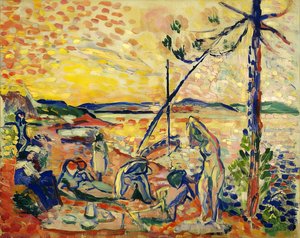
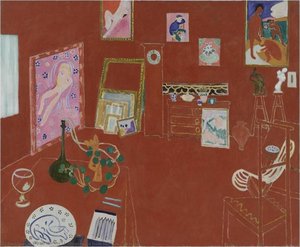
Henri Matisse, a titan amongst Fauvist painters and arguably one of the most influential artists of the 20th century, gifted us with “Untitled (4246),” a landscape that transcends mere depiction—it embodies an ethos of joyful spontaneity and profound artistic vision. Painted sometime between 1937 and 1941 during Matisse’s prolific period in Antibes, France, this artwork isn't simply observed; it’s felt.
The painting presents a hillside vista bathed in the warm hues of Provençal sunlight. Dominating the composition are stylized trees—their trunks rendered in bold strokes of ochre and burnt umber—reaching upwards towards a cerulean sky punctuated by patches of azure and lemon yellow. Beneath this luminous expanse unfolds a tranquil village scene, populated with figures engaged in everyday activities; their forms simplified yet imbued with palpable presence.
Matisse’s stylistic approach—Fauvism—represents a radical departure from Impressionistic conventions. Rejecting the subtle gradations of light and shadow favored by his predecessors, Matisse championed an uncompromising embrace of pure color. He believed that color possessed inherent expressive power, capable of conveying emotion directly to the viewer without mediation.
"Untitled (4246)" exemplifies this principle perfectly. The artist eschews naturalistic pigments, opting instead for vibrant shades—crimson, tangerine, emerald green—that pulsate with energy and vitality. These colors aren’t blended harmoniously; they are juxtaposed boldly against each other, creating a visual dynamism that mirrors the emotional intensity of Matisse's artistic intent.
Matisse meticulously crafted his canvases using tempera paint on canvas—a technique known for its luminosity and durability. He employed a reductive approach to composition, reducing forms to their essential outlines while prioritizing color as the primary vehicle of artistic communication. The deliberate flattening of perspective contributes to the painting’s dreamlike quality, inviting contemplation rather than demanding detailed observation.
Notice how Matisse skillfully uses repetition—the stylized trees appearing multiple times throughout the scene—to reinforce visual rhythm and create a sense of unity. Furthermore, the placement of figures strategically anchors the composition, guiding the viewer's gaze across the landscape and enhancing its overall impact.
"Untitled (4246)" speaks to Matisse’s broader artistic philosophy—a desire to capture not just what is seen but what is felt. The hillside setting symbolizes tranquility and refuge from the anxieties of wartime Europe, mirroring Matisse's own personal experience during World War II.
More profoundly, however, the painting embodies Matisse’s belief in the transformative power of art. By immersing himself in color and form, he sought to liberate his imagination and express joy—a sentiment that radiates outwards from the canvas itself. This artwork remains a testament to Matisse's unwavering conviction that beauty could serve as an antidote to despair.


1869 - 1954 , Γαλλία
Ανακαλύψτε τα 25 εμβληματικότερα έργα τέχνης του Ενρί Ματίς! Μάθετε για το Fauvism, την τεχνική και τα χρώματα που έκαναν τον καλλιτέχνη θρύλο. Υψηλής ποιότητας αναπαραγωγές πινάκων & ιδέες διακόσμησης στο Most-Famous-Paintings.com.

Ανακαλύψτε τα 10 κορυφαία έργα που καθόρισαν τον Φωβισμό! Matisse, Derain & άλλοι καλλιτέχνες. Ιστορία, χρώματα και τεχνικές σε πίνακες ζωγραφικής. Βρείτε την τέλεια αναπαραγωγή για το σπίτι σας στην Most-Famous-Paintings.com.
Ανακαλύψτε τα 10 εμβληματικά έργα που καθόρισαν τον Φωβισμό! Matisse, Derain & άλλοι ζωγράφοι. Ιστορία, τεχνική και έντονα χρώματα. Βρείτε αναπαραγωγές υψηλής ποιότητας για την διακόσμηση του σπιτιού σας στην Most-Famous-Paintings.com.
Ανακαλύψτε τα 10 κορυφαία έργα τέχνης που αποτυπώνουν την ομορφιά του τοπίου! Από Monet έως Van Gogh, εξερευνήστε ιστορίες, τεχνικές & χρώματα. Βρείτε πίνακες για διακόσμηση στο Most-Famous-Paintings.gr.

Explore the serene landscapes of Henri-Joseph Harpignies, a master of the Barbizon School. Discover his atmospheric paintings, recurring themes & enduring legacy in 19th-century French art. Learn more at Most-Famous-Paintings.


Μείνετε ενημερωμένοι για τις τελευταίες ειδήσεις σχετικά με την τέχνη, αποκλειστικές προσφορές και ιδέες διακόσμησης.
Πείτε μας περισσότερα για το έργο σας και οι ειδικοί μας στην τέχνη θα σας προσφέρουν 3 εξατομικευμένες προτάσεις έργων τέχνης.
Αφήστε μας να επιμεληθούμε 3 επιλογές αποκλειστικά για εσάς – Δωρεάν!


 Δείτε σε πραγματικό χώρο
 Αποστολή
 Κοινοποίηση
 Λεπτομέρειες

 Λήψη
Λήψη
 Παρόμοια αντικείμενα συλλογής
 Ακτινογραφία
 Παρουσίαση
 Διαβάστε περισσότερα







 Η επιλογή με γυαλί είναι διαθέσιμη μόνο για μεγέθη κάτω από 110 εκ.