x

Εκτύπωση giclée ή σε καμβά ποιότητας μουσείου με γρήγορη παραγωγή και ευέλικτες επιλογές φινιρίσματος. ( Αγορά χειροποίητου πίνακα Αγορά εικόνας)





























Επιλέξτε από τις προκαθορισμένες διαστάσεις μας που διατηρούν τις αρχικές αναλογίες του έργου τέχνης.

Μπορείτε να εισαγάγετε δικές σας διαστάσεις ώστε να ταιριάξουν με ένα συγκεκριμένο πλαίσιο ή χώρο. Εάν το επιλεγμένο μέγεθος δεν συμπίπτει με τις αναλογίες της πρωτότυπης εικόνας, θα κόψουμε το έργο τέχνης ή θα επεκτείνουμε την εικόνα με καθρεφτισμένη ή μονόχρωμη ατέλεια. Θα σας αποσταλεί ένα ψηφιακό mockup για έγκρισή σας πριν από την έναρξη της παραγωγής.
Παρακαλούμε σημειώστε ότι η προεπισκόπηση στην οθόνη δεν αντικατοπτρίζει την πραγματική κοπή ή επέκταση. Μόνο το mockup θα δείξει με ακρίβεια την τελική σύνθεση.
Παρόλο που είναι διαθέσιμες προσαρμοσμένες διαστάσεις, προτείνουμε την επιλογή μιας διάστασης από τη προκαθορισμένη λίστα για τη διατήρηση των αρχικών αναλογιών.
Παγκόσμια Αποστολή () σε 2 εβδομάδες αντί για τις συνήθεις 4/5 εβδομάδες. (14 Αύγουστος)


untitled (720)
Διαστάσεις Αναπαραγωγής
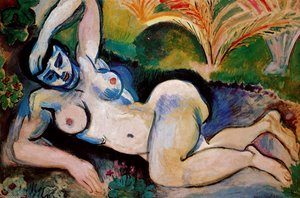
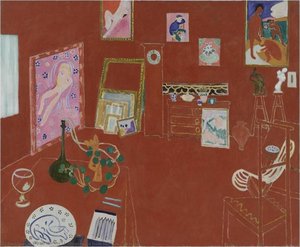
Henri Matisse's "Untitled (720)," a captivating study in form, color, and the very essence of human presence, stands as a testament to his revolutionary approach to painting. This work, rendered with the characteristic boldness that defined his mature style, isn’t merely a depiction of a woman; it’s an exploration of gesture, space, and the emotional resonance of simplified shapes. The photograph itself reveals a striking simplicity – a nude figure posed before a brick wall, bathed in a serene blue light. Yet, within this apparent restraint lies a profound dynamism, inviting viewers to contemplate the subject's posture, her gaze (implied rather than explicitly shown), and the subtle interplay between form and background.
Matisse’s journey to this iconic style was far from straightforward. Initially trained as a lawyer, his path dramatically shifted after an illness in 1889, leading him to embrace painting as a deeply personal and liberating pursuit. This early convalescence ignited a passion for color – a passion that would become the cornerstone of his artistic identity. His formative years at the Académie Julian and École Nationale des Beaux-Arts provided a foundation, but it was through experimentation with Impressionism and the influence of artists like Van Gogh and Cézanne that he began to forge his own unique vocabulary. The work’s brushstrokes, visible throughout the image, speak to an immediate, almost tactile approach – a deliberate rejection of meticulous detail in favor of capturing the essence of the subject.
“Untitled (720)” is firmly rooted within the Fauvist movement, a period of intense artistic experimentation that emerged around 1905. The Fauves – meaning “wild beasts” – sought to liberate color from its traditional role and use it expressively, often employing jarring juxtapositions and vibrant hues divorced from naturalistic representation. Matisse’s masterful manipulation of blue creates a sense of both tranquility and mystery; it's not the cool, restful blue of a clear sky, but rather a richer, more saturated tone that seems to emanate its own light. This deliberate chromatic choice immediately draws the eye and establishes a mood of quiet contemplation.
The brick wall serves as a crucial element within the composition, acting as both a grounding force and a visual counterpoint to the figure’s lightness. Its rough texture and muted tones provide a stark contrast to the woman's smooth skin and vibrant color palette. This juxtaposition highlights her presence—she is not simply *in* space, but actively shaping it with her posture and gesture. The simplicity of the wall also directs the viewer's attention solely onto the subject, emphasizing her form and inviting introspection.
While seemingly straightforward in its depiction, “Untitled (720)” is rich in symbolic potential. The nude figure herself embodies a timeless quality—a representation of female strength, vulnerability, and perhaps even defiance. Her hands on her hips are not merely a pose; they convey a sense of self-assuredness and quiet power. There’s an inherent dignity in her stance, suggesting a connection to the earth and a profound awareness of her own being.
Matisse's deliberate simplification of form—reducing the figure to its essential elements—is key to understanding his artistic vision. He wasn’t interested in creating a realistic portrait; he was striving to capture the *feeling* of the subject, the underlying energy that animated her presence. This approach aligns with Matisse’s broader philosophy of art as a means of expressing joy and beauty – a belief deeply ingrained in his work throughout his career.
“Untitled (720)” is more than just a painting; it's a pivotal moment in the history of modern art. It exemplifies Matisse’s groundbreaking use of color, his innovative approach to composition, and his unwavering commitment to capturing the essence of human experience. Reproductions of this work offer an exceptional opportunity to bring this vibrant and emotionally resonant image into any space, allowing viewers to engage with Matisse's genius and appreciate the enduring power of art to inspire and uplift.


1869 - 1954 , Γαλλία
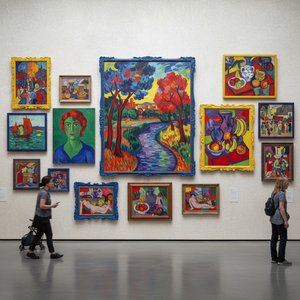
Ανακαλύψτε τα 10 εμβληματικά έργα που καθόρισαν τον Φωβισμό! Matisse, Derain & άλλοι ζωγράφοι. Ιστορία, τεχνική και έντονα χρώματα. Βρείτε αναπαραγωγές υψηλής ποιότητας για την διακόσμηση του σπιτιού σας στην Most-Famous-Paintings.com.
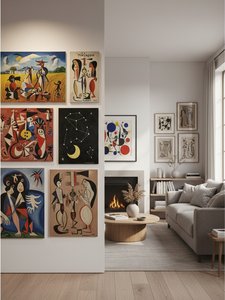
Ανακαλύψτε τα 25 εμβληματικότερα έργα τέχνης του Joan Miró! Εξερευνήστε τον σουρεαλισμό, την καταλανική τέχνη και τα ζωηρά χρώματα που καθόρισαν το στυλ του. Βρείτε πίνακες Miró υψηλής ποιότητας για κομψή διακόσμηση στο Most-Famous-Paintings.com.
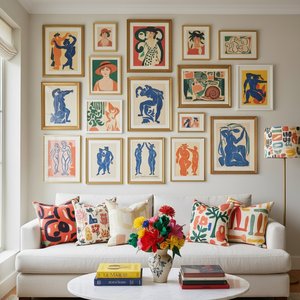
Ανακαλύψτε τα 25 εμβληματικότερα έργα τέχνης του Ενρί Ματίς! Μάθετε για το Fauvism, την τεχνική και τα χρώματα που έκαναν τον καλλιτέχνη θρύλο. Υψηλής ποιότητας αναπαραγωγές πινάκων & ιδέες διακόσμησης στο Most-Famous-Paintings.com.

Ανακαλύψτε τους 10 πιο διάσημους πίνακες με κυρίαρχο το χρώμα του σλατι! Ιμπρεσιονισμός, Van Gogh, Monet & άλλοι μεγάλοι ζωγράφοι. Βρείτε αναπαραγωγές έργων τέχνης υψηλής ποιότητας για την διακόσμηση του χώρου σας στην Most-Famous-Paintings.com.

Explore the revolutionary art of Henri Matisse! Discover his bold use of color, Fauvist origins, and lasting impact on modern painting. A comprehensive guide for art enthusiasts.


Μείνετε ενημερωμένοι για τις τελευταίες ειδήσεις σχετικά με την τέχνη, αποκλειστικές προσφορές και ιδέες διακόσμησης.
Πείτε μας περισσότερα για το έργο σας και οι ειδικοί μας στην τέχνη θα σας προσφέρουν 3 εξατομικευμένες προτάσεις έργων τέχνης.
Αφήστε μας να επιμεληθούμε 3 επιλογές αποκλειστικά για εσάς – Δωρεάν!


 Προεπισκόπηση
 Αποστολή
 Κοινοποίηση
 Λεπτομέρειες

 Λήψη
Λήψη
 Παρόμοια έργα
 Ακτινογραφία
 Παρουσίαση
 Περισσότερα λεπτομέρεια







 Η επιλογή με γυαλί είναι διαθέσιμη μόνο για μεγέθη κάτω από 110 εκ.