


x

 Academic Painting
 1894
1894 77.0 x 141.0 cm
Εκτύπωση giclée ή σε καμβά ποιότητας μουσείου με γρήγορη παραγωγή και ευέλικτες επιλογές φινιρίσματος. ( Αγορά χειροποίητου πίνακα Αγορά ψηφιακής εικόνας)
Επιλέξτε από τις προκαθορισμένες διαστάσεις μας που διατηρούν τις αρχικές αναλογίες του έργου τέχνης.

Μπορείτε να εισαγάγετε δικές σας διαστάσεις ώστε να ταιριάξουν με ένα συγκεκριμένο πλαίσιο ή χώρο. Εάν το επιλεγμένο μέγεθος δεν συμπίπτει με τις αναλογίες της πρωτότυπης εικόνας, θα κόψουμε το έργο τέχνης ή θα επεκτείνουμε την εικόνα με καθρεφτισμένη ή μονόχρωμη ατέλεια. Θα σας αποσταλεί ένα ψηφιακό mockup για έγκρισή σας πριν από την έναρξη της παραγωγής.
Παρακαλούμε σημειώστε ότι η προεπισκόπηση στην οθόνη δεν αντικατοπτρίζει την πραγματική κοπή ή επέκταση. Μόνο το mockup θα δείξει με ακρίβεια την τελική σύνθεση.
Παρόλο που είναι διαθέσιμες προσαρμοσμένες διαστάσεις, προτείνουμε την επιλογή μιας διάστασης από τη προκαθορισμένη λίστα για τη διατήρηση των αρχικών αναλογιών.
Παγκόσμια Αποστολή () σε 2 εβδομάδες αντί για τις συνήθεις 4/5 εβδομάδες. (22 Αύγουστος)


The Viva
Διαστάσεις Αναπαραγωγής

Henry Jamyn Brooks, born in England in 1839, emerged as a significant chronicler of Victorian society through his meticulously detailed group portraits. While biographical details surrounding his early life remain somewhat scarce, it’s clear that he possessed an exceptional talent for capturing not just likenesses, but the very atmosphere and social dynamics of the gatherings he depicted. He wasn't merely painting faces; he was preserving moments in time, documenting the prominent figures and pivotal events of a rapidly changing era. Brooks initially honed his skills as a painter, developing a keen eye for realism and an impressive ability to render complex compositions with remarkable accuracy.
Brooks carved out a unique niche for himself by specializing in paintings of meetings, receptions, and formal events. This was a period fascinated by documentation and the preservation of history, and Brooks’ work directly catered to this desire. He became renowned for his ability to assemble large groups of identifiable individuals within a single canvas – often royalty, civic leaders, military personnel, and other members of high society. His paintings weren't simply portraits; they were social records, offering invaluable insights into the power structures, personalities, and customs of Victorian England. He was commissioned by numerous organizations to commemorate important occasions, including gatherings of the Corporation of Abingdon, Reading Borough Council, and even the inaugural meeting of the London County Council in 1889.
Brooks’ artistic style is characterized by a remarkable level of detail and precision. He employed a traditional oil painting technique, building up layers of color to create rich textures and realistic depictions of his subjects. His compositions are often formal and carefully arranged, reflecting the hierarchical nature of Victorian society. However, he also possessed a subtle ability to capture the nuances of human interaction – the expressions on faces, the gestures of hands, the overall atmosphere of the event. His paintings are not just visually accurate; they convey a sense of presence, as if the viewer is actually witnessing the scene unfold. He wasn’t afraid to include himself in his works, often subtly inserting a self-portrait amongst the crowd, becoming a silent observer and participant in the historical moments he immortalized.
Among Brooks' most celebrated achievements is Private View of the Old Masters Exhibition, Royal Academy, 1888. This ambitious work features over sixty identifiable figures from the art world and beyond, including prominent artists like Sir John Everett Millais, William Holman Hunt, and George Richmond. The painting offers a fascinating glimpse into the social circles surrounding the Royal Academy and provides a valuable record of Victorian artistic life. Another notable piece is Sir James Dewar (1842–1923), Lecturing on Liquid Hydrogen at the Royal Institution, 1904, which captures a scene from the world of science, showcasing the renowned chemist in action. His painting of Queen Victoria receiving Lord Roberts and his staff upon their return from Africa also stands as a testament to his ability to portray significant historical events with dignity and accuracy.
Henry Jamyn Brooks’ legacy lies in his unique contribution to Victorian portraiture and social history. His paintings offer an unparalleled glimpse into the lives of prominent figures and the key moments that shaped the era. He wasn't concerned with grand narratives or idealized representations; he focused on capturing the reality of Victorian society, warts and all.

1839 - 1925
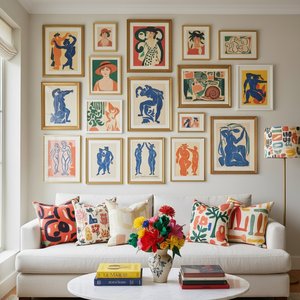
Ανακαλύψτε τα 25 εμβληματικότερα έργα τέχνης του Ενρί Ματίς! Μάθετε για το Fauvism, την τεχνική και τα χρώματα που έκαναν τον καλλιτέχνη θρύλο. Υψηλής ποιότητας αναπαραγωγές πινάκων & ιδέες διακόσμησης στο Most-Famous-Paintings.com.

Explore the rich history & techniques of oil painting – from Renaissance masters to Impressionism. Discover pigments, layering methods, and why this timeless medium endures. Expert insights for artists & art enthusiasts.

Explore the rich history & enduring techniques of oil painting with Most-Famous-Paintings. Discover masterpieces, learn about art collecting, and find authentic handmade reproductions crafted by skilled artists.

Ανακαλύψτε τους 10 κορυφαίους πίνακες του 19ου αιώνα! Μονέ, Ρενουάρ & άλλοι μεγάλοι ζωγράφοι. Ιμπρεσιονισμός, ρομαντισμός και η ιστορία της τέχνης ζωντανεύουν. Βρείτε την ιδανική αναπαραγωγή πίνακα για τον χώρο σας στο Most-Famous-Paintings.com.

Explore the captivating world of Henry Scott Tuke's paintings – a master of British Impressionism renowned for his intimate depictions of youth and sunlit maritime scenes. Discover his legacy & aesthetic influence.


Μείνετε ενημερωμένοι για τις τελευταίες ειδήσεις σχετικά με την τέχνη, αποκλειστικές προσφορές και ιδέες διακόσμησης.
Πείτε μας περισσότερα για το έργο σας και οι ειδικοί μας στην τέχνη θα σας προσφέρουν 3 εξατομικευμένες προτάσεις έργων τέχνης.
Αφήστε μας να επιμεληθούμε 3 επιλογές αποκλειστικά για εσάς – Δωρεάν!


 Δείτε σε πραγματικό χώρο
 Αποστολή
 Κοινοποίηση
 Λεπτομέρειες

 Λήψη
Λήψη
 Παρόμοια αντικείμενα συλλογής
 Ακτινογραφία
 Παρουσίαση
 Διαβάστε περισσότερα




































 Η επιλογή με γυαλί είναι διαθέσιμη μόνο για μεγέθη κάτω από 110 εκ.


