x

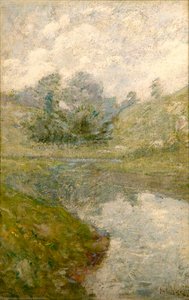
 Impressionism
 93.0 x 75.0 cm
 Royal Scottish Academy of Art - Architecture
Αγοράστε μια ψηφιακή εικόνα υψηλής ανάλυσης και βελτιωμένης ποιότητας, πολύ ανώτερης από την προεπισκόπηση στο διαδίκτυο.
Κάθε αρχείο προετοιμάζεται σχολαστικά από τους εξειδικευμένους συνεργάτες μας, με τη χρήση προηγμένων εργαλείων και χειροκίνητου ρετουσαρίσματος υψηλής ακρίβειας. Εξασφαλίζουμε ότι κάθε εικόνα προσφέρει εξαιρετική ευκρίνεια, απόλυτη πιστότητα στο χρώμα και λεπτομερή ανάδραση των λεπτομερειών.
Το τελικό αρχείο παραδίδεται μέσω email εντός 72 ωρών, βελτιστοποιημένο για άμεση χρήση σε επαγγελματικά, εκδοτικά και έντυπα περιβάλλοντα. Πρόκειται για την ίδια ποιότητα που εμπιστεύονται κορυφαία studios σχεδιασμού, εκδότες και γκαλερί.
Κατεβάστε ένα αρχείο υψηλής ανάλυσης για προσωπική χρήση, εκτύπωση και δημιουργικά έργα. ( Αγορά εκτύπωσης Αγορά χειροποίητου πίνακα)
Όταν επιλέγετε το Most-Famous-Paintings.com, δεν αποκτάτε απλώς μια εικόνα – λαμβάνετε ένα επαγγελματικά αναβαθμισμένο ψηφιακό έργο τέχνης, δημιουργημένο με ακρίβεια και με εγγύηση ικανοποίησης. Δείτε όλα όσα περιλαμβάνονται στην παραγγελία σας, αυτόματα:

Το ψηφιακό σας αρχείο εικόνας υψηλής ανάλυσης θα σας σταλεί μέσω email εντός 72 ωρών από την παραγγελία σας — έτοιμο για άμεση χρήση.

Το έργο σας βελτιστοποιείται επαγγελματικά με τη χρήση προηγμένων εργαλείων Τεχνητής Νοημοσύνης και χειροκίνητης επεξεργασίας, εξασφαλίζοντας μέγιστη λεπτομέρεια, ευκρίνεια και ακρίβεια χρωμάτων.

Απώλησες ή διαγράψατε κατά λάθος το αρχείο σας; Μην ανησυχείτε — θα σας το ξαναστείλομε οποιαδήποτε στιγμή, δωρεάν.

Απολαύστε αμέσως τα έργα τέχνης σας χωρίς δασμούς, φόρους ή έξοδα αποστολής - οι ψηφιακές λήψεις είναι πάντα αφορεশিপτεία.

Εξασφαλίζουμε ότι η ψηφιακή σας εικόνα αποτυπώνει τα αυθεντικά χρώματα όσο το δυνατόν πιστότερα, χρησιμοποιώντας επαγγελματικά εργαλεία και διαχείριση χρωμάτων.

Εάν δεν είστε ικανοποιημένοι με την ψηφιακή σας εικόνα, θα την αναθεωρήσουμε ή θα σας επιστρέψουμε το 100% της αξίας της εντός 60 ημερών - χωρίς κανένα ερώτημα.

Δεν είστε ικανοποιημένοι; Λάβετε πλήρη επιστροφή των χρημάτων σας εντός 60 ημερολογιακών ημερών από τη λήψη του ψηφιακού σας αρχείου — χωρίς κανένα ερώτημα.

Αγοράστε 3 εικόνες, κάντε εξοικονόμηση 10% - Αγοράστε 5, κάντε εξοικονόμηση 15% - Αγοράστε 10+, κάντε εξοικονόμηση 20%. Ιδανικό για δημιουργικά έργα, γκαλερί και agencies.

Henry John Lintott (1877-1965) wasn’t a name that dominated the art world during his lifetime, yet within the rich tapestry of 20th-century British painting, particularly in Scotland, he remains a quietly significant figure. More than simply a painter, Lintott was an educator and a mentor, shaping the artistic trajectories of generations through his tenure at the Edinburgh College of Art. His work—a captivating blend of portraiture, landscape, and allegorical scenes—offers a glimpse into a world where observation is paramount, emotion subtly rendered, and the ethereal intertwines with the everyday.
Born in Brighton, Lintott’s artistic journey began with formal training at the local school. He then broadened his horizons, studying in London and Paris – experiences that undoubtedly exposed him to the burgeoning currents of Impressionism and Symbolism. It was a move north to Edinburgh in 1902 that proved pivotal, establishing a long and influential career within Scotland’s artistic heartland. He quickly ascended to a position of respect, becoming one of the initial staff members at the College, where he spent over four decades nurturing talent and refining his own practice.
Lintott's style is immediately recognizable—a deliberate eschewing of bold, assertive brushstrokes in favor of a meticulously layered technique. He favored soft, diffused light, often employing a muted palette dominated by blues, greens, and browns, creating an atmosphere of quiet contemplation. His landscapes aren’t merely depictions of scenery; they are imbued with a dreamlike quality, as if viewed through a hazy memory or a half-remembered vision. This is particularly evident in works like “St Bernard’s Crescent from Studio Window,” where the urban scene dissolves into a wash of atmospheric color, suggesting both familiarity and an underlying sense of mystery.
His portraits are equally compelling. Lintott avoided the conventional formality often associated with portraiture, instead capturing his subjects with a gentle intimacy. He seemed to seek not just likeness but also something deeper—a hint of personality, emotion, or inner life. The “Self Portrait,” for instance, reveals an older man reflecting on his own journey, his gaze imbued with a quiet dignity and perhaps a touch of melancholy.
Lintott’s artistic development was undoubtedly shaped by the prevailing movements of his time – Impressionism and Symbolism. However, he forged his own distinctive voice, blending these influences with a distinctly Scottish sensibility. He was part of The Society of Eight, a group of artists who shared a commitment to exploring subjective experience and challenging conventional artistic norms. This circle fostered a spirit of experimentation and collaboration, contributing significantly to the vibrant artistic scene in Edinburgh.
His influence extended far beyond his immediate colleagues. He mentored a remarkable cohort of young Scottish artists, including Anne Redpath, John Maxwell, and William MacTaggart—artists who went on to achieve considerable recognition in their own right. Lintott’s emphasis on observation, sensitivity, and the exploration of inner landscapes undoubtedly played a role in shaping their artistic visions.
Henry John Lintott may not have achieved widespread fame during his lifetime, but his work continues to resonate with viewers today. His paintings possess a quiet beauty and emotional depth that transcends time. They invite us to slow down, to observe closely, and to contemplate the subtle nuances of light, color, and form. The National Galleries of Scotland recognize Lintott’s importance, describing him as “a painter of portraits, landscapes and allegorical subjects,” whose method was “slow and meticulous” and his style “often soft and dream-like.”
His legacy lies not only in the works he created but also in the artists he nurtured. Lintott’s influence can be seen throughout the Scottish art landscape, a testament to his skill as an educator and his profound understanding of the power of visual language. His paintings remain a poignant reminder that true artistry often resides in the quiet moments—the subtle shifts in light, the unspoken emotions, and the enduring beauty of the everyday world.

1877 - 1965


Μείνετε ενημερωμένοι για τις τελευταίες ειδήσεις σχετικά με την τέχνη, αποκλειστικές προσφορές και ιδέες διακόσμησης.
Πείτε μας περισσότερα για το έργο σας και οι ειδικοί μας στην τέχνη θα σας προσφέρουν 3 εξατομικευμένες προτάσεις έργων τέχνης.
Αφήστε μας να επιμεληθούμε 3 επιλογές αποκλειστικά για εσάς – Δωρεάν!


 Δείτε σε πραγματικό χώρο
 Αποστολή
 Κοινοποίηση
 Λεπτομέρειες

 Λήψη
Λήψη
 Παρόμοια αντικείμενα συλλογής
 Ακτινογραφία
 Παρουσίαση
 Διαβάστε περισσότερα