


x

 Άνθρακα και λάδι σε καμβάΕκθέσιμα Έργα ΤέχνηςSurrealist Symbolism
 60.0 x 167.0 cm
Αγοράστε μια ψηφιακή εικόνα υψηλής ανάλυσης και βελτιωμένης ποιότητας, πολύ ανώτερης από την προεπισκόπηση στο διαδίκτυο.
Κάθε αρχείο προετοιμάζεται σχολαστικά από τους εξειδικευμένους συνεργάτες μας, με τη χρήση προηγμένων εργαλείων και χειροκίνητου ρετουσαρίσματος υψηλής ακρίβειας. Εξασφαλίζουμε ότι κάθε εικόνα προσφέρει εξαιρετική ευκρίνεια, απόλυτη πιστότητα στο χρώμα και λεπτομερή ανάδραση των λεπτομερειών.
Το τελικό αρχείο παραδίδεται μέσω email εντός 72 ωρών, βελτιστοποιημένο για άμεση χρήση σε επαγγελματικά, εκδοτικά και έντυπα περιβάλλοντα. Πρόκειται για την ίδια ποιότητα που εμπιστεύονται κορυφαία studios σχεδιασμού, εκδότες και γκαλερί.
Κατεβάστε ένα αρχείο υψηλής ανάλυσης για προσωπική χρήση, εκτύπωση και δημιουργικά έργα. ( Αγορά εκτύπωσης Αγορά χειροποίητου πίνακα)
Όταν επιλέγετε το Most-Famous-Paintings.com, δεν αποκτάτε απλώς μια εικόνα – λαμβάνετε ένα επαγγελματικά αναβαθμισμένο ψηφιακό έργο τέχνης, δημιουργημένο με ακρίβεια και με εγγύηση ικανοποίησης. Δείτε όλα όσα περιλαμβάνονται στην παραγγελία σας, αυτόματα:

Το ψηφιακό σας αρχείο εικόνας υψηλής ανάλυσης θα σας σταλεί μέσω email εντός 72 ωρών από την παραγγελία σας — έτοιμο για άμεση χρήση.

Το έργο σας βελτιστοποιείται επαγγελματικά με τη χρήση προηγμένων εργαλείων Τεχνητής Νοημοσύνης και χειροκίνητης επεξεργασίας, εξασφαλίζοντας μέγιστη λεπτομέρεια, ευκρίνεια και ακρίβεια χρωμάτων.

Απώλησες ή διαγράψατε κατά λάθος το αρχείο σας; Μην ανησυχείτε — θα σας το ξαναστείλομε οποιαδήποτε στιγμή, δωρεάν.

Απολαύστε αμέσως τα έργα τέχνης σας χωρίς δασμούς, φόρους ή έξοδα αποστολής - οι ψηφιακές λήψεις είναι πάντα αφορεশিপτεία.

Εξασφαλίζουμε ότι η ψηφιακή σας εικόνα αποτυπώνει τα αυθεντικά χρώματα όσο το δυνατόν πιστότερα, χρησιμοποιώντας επαγγελματικά εργαλεία και διαχείριση χρωμάτων.

Εάν δεν είστε ικανοποιημένοι με την ψηφιακή σας εικόνα, θα την αναθεωρήσουμε ή θα σας επιστρέψουμε το 100% της αξίας της εντός 60 ημερών - χωρίς κανένα ερώτημα.

Δεν είστε ικανοποιημένοι; Λάβετε πλήρη επιστροφή των χρημάτων σας εντός 60 ημερολογιακών ημερών από τη λήψη του ψηφιακού σας αρχείου — χωρίς κανένα ερώτημα.

Αγοράστε 3 εικόνες, κάντε εξοικονόμηση 10% - Αγοράστε 5, κάντε εξοικονόμηση 15% - Αγοράστε 10+, κάντε εξοικονόμηση 20%. Ιδανικό για δημιουργικά έργα, γκαλερί και agencies.
Hieronymus Bosch’s “Last Judgment, Right Wing,” a monumental panel from his triptych of the same name, isn’t merely a depiction of judgment; it’s an immersive descent into the very architecture of sin and punishment. Painted around 1503-1514, this section of the work offers a visceral glimpse into Bosch's profoundly unsettling vision of humanity’s moral state – a world where earthly pleasures morph into instruments of eternal torment. Born in ’s-Hertogenbosch, Netherlands, during a period of intense religious fervor and burgeoning societal anxieties, Bosch developed a unique artistic language that blended meticulous detail with fantastical imagery, creating scenes both terrifyingly real and profoundly symbolic.
The panel immediately assaults the viewer with its oppressive darkness. A chaotic assembly of figures – some writhing in agony, others passively accepting their fate – is crammed into a bizarre landscape dominated by grotesque structures and unsettling details. The sheer density of bodies, coupled with Bosch’s masterful use of perspective, creates an overwhelming sense of claustrophobia and impending doom. This isn't the serene judgment often portrayed in religious art; it’s a brutal confrontation with our own mortality and the consequences of our choices.
Bosch’s work is renowned for its intricate symbolism, and this section offers a starting point for understanding the panel's complex narrative. The central figure, a towering, almost monstrous being resembling a judge or angel, oversees the proceedings. Beneath him lies a swirling vortex of souls – some ascending to paradise, others plummeting into hell. Notice the meticulously rendered details: the decaying fruit representing earthly temptations, the chained figures symbolizing sin, and the bizarre assortment of animals, each carrying its own symbolic weight. The bird on the left, often interpreted as an angel or a messenger, adds another layer of ambiguity to the scene.
The landscape itself is a key element of Bosch’s symbolism. It's a warped reflection of earthly delights – a lavish banquet overflowing with decadent food and drink, juxtaposed against the stark reality of eternal damnation. The presence of a giant, grotesque tree, laden with fruit, speaks to the corruption of innocence and the allure of worldly pleasures. Even seemingly innocuous details, like the numerous skulls scattered throughout the scene, serve as constant reminders of death and decay.
Bosch's technique is characterized by an extraordinary level of detail and a masterful command of oil paint. He employed a layering technique, building up colors and textures to create a remarkably realistic – albeit disturbing – effect. The figures are rendered with meticulous precision, capturing their expressions of anguish, despair, and resignation. His use of perspective is particularly noteworthy; he creates a sense of depth and spatial complexity that draws the viewer into the scene.
The “Last Judgment” panel was likely commissioned for a private collector or religious institution, possibly in Spain or Austria, reflecting Bosch’s extensive travels throughout his career. It's believed to be part of a larger triptych, with the left wing depicting the Garden of Eden and the right wing portraying Paradise. Understanding this broader context is crucial to appreciating the full scope of Bosch’s vision – a complex meditation on sin, redemption, and the human condition.
Despite its unsettling imagery, “Last Judgment, Right Wing” resonates deeply with viewers centuries after its creation. It taps into our primal fears about death, judgment, and the consequences of our actions. Bosch’s work isn't simply a depiction of hell; it’s an exploration of the darkness within ourselves – the temptations that lead us astray, the sins we commit, and the potential for eternal punishment. The panel serves as a powerful reminder of the importance of moral responsibility and the enduring struggle between good and evil.

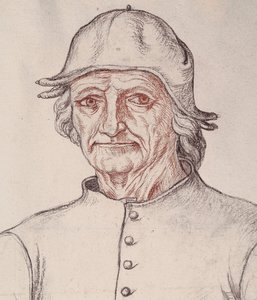
1450 - 1516 , Ολλανδία


Μείνετε ενημερωμένοι για τις τελευταίες ειδήσεις σχετικά με την τέχνη, αποκλειστικές προσφορές και ιδέες διακόσμησης.
Πείτε μας περισσότερα για το έργο σας και οι ειδικοί μας στην τέχνη θα σας προσφέρουν 3 εξατομικευμένες προτάσεις έργων τέχνης.
Αφήστε μας να επιμεληθούμε 3 επιλογές αποκλειστικά για εσάς – Δωρεάν!


 Δείτε σε πραγματικό χώρο
 Αποστολή
 Κοινοποίηση
 Λεπτομέρειες

 Λήψη
Λήψη
 Παρόμοια αντικείμενα συλλογής
 Ακτινογραφία
 Παρουσίαση
 Διαβάστε περισσότερα


