x

 Oil On CanvasWallArtDutch Golden Age
 1690Early Modern
 91.0 x 74.0 cm
 Wallace Collection
Εκτύπωση giclée ή σε καμβά ποιότητας μουσείου με γρήγορη παραγωγή και ευέλικτες επιλογές φινιρίσματος. ( Αγορά χειροποίητου πίνακα Αγορά ψηφιακής εικόνας)





























Επιλέξτε από τις προκαθορισμένες διαστάσεις μας που διατηρούν τις αρχικές αναλογίες του έργου τέχνης.

Μπορείτε να εισαγάγετε δικές σας διαστάσεις ώστε να ταιριάξουν με ένα συγκεκριμένο πλαίσιο ή χώρο. Εάν το επιλεγμένο μέγεθος δεν συμπίπτει με τις αναλογίες της πρωτότυπης εικόνας, θα κόψουμε το έργο τέχνης ή θα επεκτείνουμε την εικόνα με καθρεφτισμένη ή μονόχρωμη ατέλεια. Θα σας αποσταλεί ένα ψηφιακό mockup για έγκρισή σας πριν από την έναρξη της παραγωγής.
Παρακαλούμε σημειώστε ότι η προεπισκόπηση στην οθόνη δεν αντικατοπτρίζει την πραγματική κοπή ή επέκταση. Μόνο το mockup θα δείξει με ακρίβεια την τελική σύνθεση.
Παρόλο που είναι διαθέσιμες προσαρμοσμένες διαστάσεις, προτείνουμε την επιλογή μιας διάστασης από τη προκαθορισμένη λίστα για τη διατήρηση των αρχικών αναλογιών.
Παγκόσμια Αποστολή () σε 2 εβδομάδες αντί για τις συνήθεις 4/5 εβδομάδες. (20 Αύγουστος)


Dead Hare and Partridges
Διαστάσεις Αναπαραγωγής
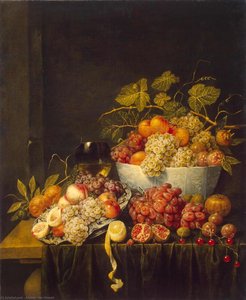
To gaze upon Jan Weenix’s Dead Hare and Partridges is to step into a moment suspended between violence and quiet repose. This painting, executed around 1690, is far more than a mere collection of deceased fauna; it is a profound meditation on the relentless cycle of life, death, and sustenance that underpins the natural world. The composition immediately draws the eye to the central figure—the fallen hare, its head held in an almost defiant stillness against the earth. This arresting tableau, characteristic of the meticulous realism prized during the Dutch Golden Age, invites the viewer into a private, contemplative space where the drama of the hunt has just concluded.
Weenix’s technical prowess is evident in every feather and sinew. His handling of texture is nothing short of breathtaking; one can almost feel the coarse fur of the hare against the rough branches supporting the perching birds. The artist possessed an unparalleled gift for rendering organic matter with scientific accuracy, yet imbued it with a painterly grace. Observe the smaller details: the scattered birds in the background, seemingly oblivious to the central drama, add layers of depth and narrative complexity. These elements work together to create a believable ecosystem captured on canvas, showcasing Weenix’s deep observational skills honed through years of studying the natural world around him.
In the tradition of Dutch genre painting, such scenes often carry rich symbolic weight. The dead game speaks directly to themes of mortality and transience—vanitas motifs that were deeply resonant in 17th-century thought. Yet, this is not a purely morbid depiction. The presence of life continuing around the carcass, the birds feeding, suggests nature’s immediate resilience. It whispers of renewal; even in death, there is sustenance, and thus, promise for what comes next. For the modern collector or designer, this piece offers a sophisticated contemplation on impermanence, adding an intellectual depth to any space.
Jan Weenix stood within a lineage that valued empirical observation alongside artistic flair. His work embodies the pinnacle of Dutch realism—a style that celebrated the tangible beauty of everyday life while elevating it to the realm of high art. Owning a reproduction of this piece allows one to bring home not just a painting, but a carefully curated piece of history. It speaks to an era when the material world was studied with intense devotion, resulting in works that feel both intimately familiar and eternally grand.


1641 - 1719 , Ολλανδία

Explore the captivating world of Dutch Golden Age still life with Abraham van Beyeren. Discover his innovative techniques, symbolic banquet scenes & lasting influence on art history. Learn about collecting these masterpieces.

Explore the captivating world of Jan Wijnants and Dutch Golden Age still life painting. Discover symbolism, masterful techniques & lasting influence on floral art history. Learn more!

Explore the life & art of Jan Steen, a leading Dutch Golden Age painter renowned for his humorous genre scenes & insightful social commentary. Discover his techniques, legacy, and collecting tips.

Explore the rich history of still life painting with Most-Famous-Paintings. Discover Dutch Masters, decode vanitas symbolism & learn about collecting timeless art. Expert insights and museum-quality reproductions.

Ανακαλύψτε τα 10 αριστουργήματα της Ολλανδικής Χρυσής Εποχής! Rembrandt, Vermeer & άλλοι δάσκαλοι ζωντανεύουν. Ιστορία τέχνης, τεχνικές ζωγραφικής και έμπνευση για διακόσμηση σπιτιού. Explore the full collection on Most-Famous-Paintings.com


Μείνετε ενημερωμένοι για τις τελευταίες ειδήσεις σχετικά με την τέχνη, αποκλειστικές προσφορές και ιδέες διακόσμησης.
Πείτε μας περισσότερα για το έργο σας και οι ειδικοί μας στην τέχνη θα σας προσφέρουν 3 εξατομικευμένες προτάσεις έργων τέχνης.
Αφήστε μας να επιμεληθούμε 3 επιλογές αποκλειστικά για εσάς – Δωρεάν!


 Δείτε σε πραγματικό χώρο
 Αποστολή
 Κοινοποίηση
 Λεπτομέρειες

 Λήψη
Λήψη
 Παρόμοια αντικείμενα συλλογής
 Ακτινογραφία
 Παρουσίαση
 Διαβάστε περισσότερα







 Η επιλογή με γυαλί είναι διαθέσιμη μόνο για μεγέθη κάτω από 110 εκ.