x

Εκτύπωση giclée ή σε καμβά ποιότητας μουσείου με γρήγορη παραγωγή και ευέλικτες επιλογές φινιρίσματος. ( Αγορά χειροποίητου πίνακα Αγορά ψηφιακής εικόνας)





























Επιλέξτε από τις προκαθορισμένες διαστάσεις μας που διατηρούν τις αρχικές αναλογίες του έργου τέχνης.

Μπορείτε να εισαγάγετε δικές σας διαστάσεις ώστε να ταιριάξουν με ένα συγκεκριμένο πλαίσιο ή χώρο. Εάν το επιλεγμένο μέγεθος δεν συμπίπτει με τις αναλογίες της πρωτότυπης εικόνας, θα κόψουμε το έργο τέχνης ή θα επεκτείνουμε την εικόνα με καθρεφτισμένη ή μονόχρωμη ατέλεια. Θα σας αποσταλεί ένα ψηφιακό mockup για έγκρισή σας πριν από την έναρξη της παραγωγής.
Παρακαλούμε σημειώστε ότι η προεπισκόπηση στην οθόνη δεν αντικατοπτρίζει την πραγματική κοπή ή επέκταση. Μόνο το mockup θα δείξει με ακρίβεια την τελική σύνθεση.
Παρόλο που είναι διαθέσιμες προσαρμοσμένες διαστάσεις, προτείνουμε την επιλογή μιας διάστασης από τη προκαθορισμένη λίστα για τη διατήρηση των αρχικών αναλογιών.
Παγκόσμια Αποστολή () σε 2 εβδομάδες αντί για τις συνήθεις 4/5 εβδομάδες. (18 Αύγουστος)


Ubu roi 3
Διαστάσεις Αναπαραγωγής
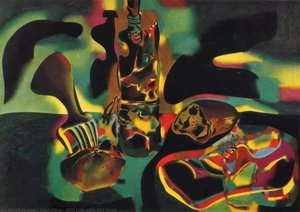
Joan Miró’s *Chez le Roi de Pologne: Ubu Roi*, plate III, stands as a testament to the enduring power of surrealism—a movement that sought to liberate art from rational constraints and tap into the subconscious realm. Executed in 1954 for Alfred Jarry’s provocative play, this lithograph embodies Miró's distinctive approach to abstraction, blending organic shapes with vibrant hues to convey a profound sense of unease and theatrical grandeur.
Miró employed the meticulous process of lithography—a printing technique involving transferring ink from a stone onto paper—to achieve remarkable tonal precision and textural depth. The artist skillfully layered aquachete and gouache over the lithograph, creating a rich surface that captures the dynamism of his vision. Careful observation reveals subtle variations in color intensity, highlighting Miró’s meticulous attention to detail and demonstrating mastery of printmaking techniques.
The imagery within *Ubu Roi*, plate III—characterized by amorphous figures reminiscent of Catalan folklore—reflects Miró's deep connection to his homeland. These stylized forms pulsate with energy, conveying a sense of movement and disorientation that aligns perfectly with the play’s absurdist themes. Recurring motifs like spirals and circles symbolize cycles of life and death, mirroring the dramatic narrative unfolding on the canvas.
Alfred Jarry’s *Ubu Roi* was a daring challenge to bourgeois morality and theatrical conventions—a deliberate provocation designed to unsettle audiences. Miró responded with an artwork that mirrors this rebellious spirit, capturing the unsettling atmosphere of the play through its bold colors and fragmented forms. The lithograph serves as a visual embodiment of Jarry’s exploration of human folly and the grotesque, cementing Miró's place within the canon of Surrealist art.
While reproductions offer an accessible glimpse into Miró’s artistic genius, nothing compares to encountering the original artwork—a tangible connection to a pivotal moment in 20th-century art history. The subtle nuances of color and texture present in *Chez le Roi de Pologne: Ubu Roi*, plate III,* are impossible to fully convey through print media, underscoring the importance of preserving and appreciating Miró’s legacy.

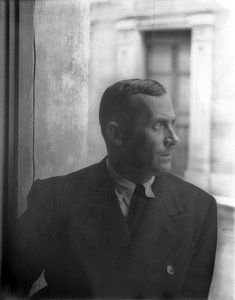
1893 - 1983 , Ισπανία
Explore the profound emotional depth of Lyrical Abstraction. Discover how masters like Raymond Parker used color and form to bridge Impressionism and Abstract Expressionism. Learn about this pivotal movement through our expert-led art history guide.

Explore the profound emotional depth of Color Field painting. Discover the history of mid-century abstraction, from Rothko to Newman, and learn how pure color transforms the viewer's experience through our expert art history guide.

Explore the profound history and emotional depth of Abstract Expressionism. From Jackson Pollock to Mark Rothko, master the nuances of the New York School through our expert art history guide. Discover museum-quality hand-painted reproductions for your collection.

Explore the profound impact of Abstract Expressionism. Discover how post-war artists used gesture and emotion to redefine modern art through Action Painting and the New York School. A definitive guide for students and collectors seeking deep historical context.


Μείνετε ενημερωμένοι για τις τελευταίες ειδήσεις σχετικά με την τέχνη, αποκλειστικές προσφορές και ιδέες διακόσμησης.
Πείτε μας περισσότερα για το έργο σας και οι ειδικοί μας στην τέχνη θα σας προσφέρουν 3 εξατομικευμένες προτάσεις έργων τέχνης.
Αφήστε μας να επιμεληθούμε 3 επιλογές αποκλειστικά για εσάς – Δωρεάν!


 Δείτε σε πραγματικό χώρο
 Αποστολή
 Κοινοποίηση
 Λεπτομέρειες

 Λήψη
Λήψη
 Παρόμοια αντικείμενα συλλογής
 Ακτινογραφία
 Παρουσίαση
 Διαβάστε περισσότερα







 Η επιλογή με γυαλί είναι διαθέσιμη μόνο για μεγέθη κάτω από 110 εκ.