x

 Oil On CanvasWallArtGilded Age Realism
 1885
1885 99.0 x 62.0 cm
 Μουσείο τέχνης του Ντιτρόιτ
Χειροποίητη oil painting σε καμβά στο δικό σας μέγεθος και πλαίσιο, κατά παραγγελία από τους καλλιτέχνες μας. ( Αγορά εκτύπωσης Αγορά ψηφιακής εικόνας)





























Επιλέξτε από τις προκαθορισμένες διαστάσεις μας που διατηρούν τις αρχικές αναλογίες του έργου τέχνης.

Μπορείτε να ορίσετε δικές σας διαστάσεις ώστε το έργο να ταιριάζει σε ένα συγκεκριμένο πλαίσιο ή χώρο. Εάν το επιλεγμένο μέγεθος δεν συμπίπτει με τις αναλογίες της αρχικής εικόνας, θα περικοψούμε το έργο ή θα επεκτείνουμε τη ζωγραφιά με πρόσθετα χειρόγραφα στοιχεία. Ένα ψηφιακό προσχέδιο θα σας αποσταλεί για έγκριση πριν την έναρξη της παραγωγής.
Παρακαλούμε σημειώστε ότι η προεπισκόπηση στην οθόνη δεν αντικατοπτρίζει την πραγματική περικοπή ή επέκταση. Μόνο το προσχέδιο θα δείξει με ακρίβεια την τελική σύνθεση.
Παρόλο που είναι διαθέσιμα προσαρμοσμένα μεγέθη, συνιστούμε να επιλέξετε μια διάσταση από τη λίστα των προκαθορισμένων μεγεθών για τη διατήρηση των αρχικών αναλογιών.
Παγκόσμια Αποστολή () σε 3-4 εβδομάδες αντί για τις συνήθεις 5 εβδομάδες. (15 Αύγουστος). Χωρίς συμβιβασμούς στην ποιότητα.


Judith Gautier
Διαστάσεις Αναπαραγωγής
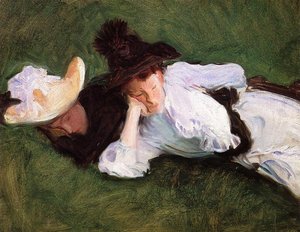
John Singer Sargent's "Judith Gautier," painted in 1885, is more than simply a portrait; it’s an exquisitely rendered study of intellect, allure, and the quiet drama of a woman caught between worlds. This captivating work, measuring 99 x 62 cm, immediately draws the viewer into a scene brimming with unspoken narratives – a testament to Sargent's unparalleled ability to capture not just likeness but also the very essence of his subjects. The painting depicts Judith Gautier herself, a French writer and poet who captivated the Parisian literary circles of her time, most notably through her association with the enigmatic Richard Wagner. Sargent’s choice to immortalize her on canvas speaks volumes about the cultural fascination surrounding this woman, a figure both celebrated for her artistic contributions and shadowed by personal complexities.
Sargent's technical prowess is immediately apparent in "Judith Gautier." He masterfully employs *chiaroscuro*, the dramatic interplay of light and dark, to sculpt the figure and imbue the scene with a palpable sense of depth. Notice how the strong contrasts highlight Judith’s face, drawing attention to her intelligent gaze and subtly conveying an air of both vulnerability and strength. The muted palette – predominantly browns, creams, and grays – creates a sophisticated atmosphere, allowing Judith's white dress to become a luminous focal point. This strategic use of color isn’t merely decorative; it serves to elevate the subject, emphasizing her importance within the composition. The brushwork itself is remarkably fluid, almost impressionistic in places, contributing to the painting’s overall sense of movement and vitality – particularly evident in the suggestion of her poised hands above the piano keys.
While a portrait at its core, “Judith Gautier” is rich with symbolic elements that deepen our understanding of the subject and the era. The presence of the piano is particularly significant. It’s not simply an object in the background; it represents Judith's engagement with the arts, her patronage, and perhaps even her creative spirit. The surrounding figures – partially obscured yet undeniably present – hint at a vibrant social life, suggesting a woman deeply embedded within the intellectual and artistic circles of Paris. The composition itself, with Judith positioned slightly off-center, creates a sense of unease and intrigue, mirroring the complexities of her character. It’s a deliberate choice that invites speculation about her inner world.
Painted during the height of the Gilded Age, “Judith Gautier” reflects the era's fascination with beauty, sophistication, and the lives of the elite. Sargent’s portrayal captures this spirit perfectly, presenting Judith as a woman of undeniable grace and intelligence. However, there’s an underlying melancholy in her expression, a subtle hint of sadness that speaks to the challenges she faced – the pressures of societal expectations, the complexities of her personal life, and perhaps even the loneliness inherent in being a brilliant, independent woman. This painting transcends mere representation; it evokes a powerful emotional response, inviting us to contemplate the hidden depths beneath a carefully constructed facade. A reproduction of this remarkable work offers a window into a fascinating period of art history and a poignant portrait of a truly exceptional individual.


1856 - 1925 , Ιταλία

Explore the opulent world of Erté and Art Deco. Discover how Romain de Tirtoff defined an era through geometric elegance, fashion illustration, and theatrical design. A deep dive into the history of 20th-century glamour for art lovers and collectors.


Μείνετε ενημερωμένοι για τις τελευταίες ειδήσεις σχετικά με την τέχνη, αποκλειστικές προσφορές και ιδέες διακόσμησης.
Πείτε μας περισσότερα για το έργο σας και οι ειδικοί μας στην τέχνη θα σας προσφέρουν 3 εξατομικευμένες προτάσεις έργων τέχνης.
Αφήστε μας να επιμεληθούμε 3 επιλογές αποκλειστικά για εσάς – Δωρεάν!


 Δείτε σε πραγματικό χώρο
 Αποστολή
 Κοινοποίηση
 Λεπτομέρειες

 Λήψη
Λήψη
 Παρόμοια αντικείμενα συλλογής
 Ακτινογραφία
 Παρουσίαση
 Διαβάστε περισσότερα







 Η επιλογή με γυαλί είναι διαθέσιμη μόνο για μεγέθη κάτω από 110 εκ.


![Μελέτη Για Καθισμένους Μουσικούς 'el Jaleo' — Ιωάννης Σινγκέρ Σαρτζέντ, Επ[]εμβατικό Πορτρετώ](/media/artworks/images/thumbnails/ac/4e/ac4e4acba4ec45819f39f6a59fb78496.jpg)