


x

Χειροποίητη oil painting σε καμβά στο δικό σας μέγεθος και πλαίσιο, κατά παραγγελία από τους καλλιτέχνες μας. ( Αγορά εκτύπωσης Αγορά ψηφιακής εικόνας)





























Επιλέξτε από τις προκαθορισμένες διαστάσεις μας που διατηρούν τις αρχικές αναλογίες του έργου τέχνης.

Μπορείτε να ορίσετε δικές σας διαστάσεις ώστε το έργο να ταιριάζει σε ένα συγκεκριμένο πλαίσιο ή χώρο. Εάν το επιλεγμένο μέγεθος δεν συμπίπτει με τις αναλογίες της αρχικής εικόνας, θα περικοψούμε το έργο ή θα επεκτείνουμε τη ζωγραφιά με πρόσθετα χειρόγραφα στοιχεία. Ένα ψηφιακό προσχέδιο θα σας αποσταλεί για έγκριση πριν την έναρξη της παραγωγής.
Παρακαλούμε σημειώστε ότι η προεπισκόπηση στην οθόνη δεν αντικατοπτρίζει την πραγματική περικοπή ή επέκταση. Μόνο το προσχέδιο θα δείξει με ακρίβεια την τελική σύνθεση.
Παρόλο που είναι διαθέσιμα προσαρμοσμένα μεγέθη, συνιστούμε να επιλέξετε μια διάσταση από τη λίστα των προκαθορισμένων μεγεθών για τη διατήρηση των αρχικών αναλογιών.
Παγκόσμια Αποστολή () σε 3-4 εβδομάδες αντί για τις συνήθεις 5 εβδομάδες. (14 Αύγουστος). Χωρίς συμβιβασμούς στην ποιότητα.


Thomas green
Διαστάσεις Αναπαραγωγής

John Vanderbank (1694–1739) remains a figure shrouded in both admiration and regret within the annals of English portraiture. Born into a Huguenot tapestry weaving family in London, his early life was marked by exposure to artistic traditions rooted in continental Europe—a formative influence that would shape his distinctive style. His father’s involvement with the Soho Tapestry Weaving Factory instilled in him an understanding of craftsmanship and commercial realities, factors which ultimately contributed to the complex trajectory of his career. This heritage of fine textile work likely informed his keen eye for texture and the luxurious fabrics he would later render with such mastery in his oil paintings.
From 1711 until 1720, Vanderbank honed his skills under the tutelage of Sir Godfrey Kneller at James Thornhill's Academy in Great Queen Street, absorbing the techniques of classical portraiture championed by the celebrated sculptor and painter. This formative period cemented his connection to a burgeoning artistic milieu, preparing him for his own ambitious endeavors. Notably, he partnered with Louis Cheron to establish an academy in St Martin’s Lane—a venture that unfortunately falund due to financial instability and hampered Vanderbank's ability to realize his full potential. Despite these structural setbacks, the foundation laid by Kneller provided him with a technical vocabulary that allowed him to navigate the high fashion of the George I and George II eras.
Despite the shadows cast by his personal struggles, Vanderbank possessed an undeniable talent that commanded respect among his contemporaries. His work demonstrated a remarkable sensitivity to capturing the psychological nuances of his subjects, resulting in portraits imbued with character and immediacy. Unlike more rigid or formulaic portraitists of his time, Vanderbank sought to breathe life into the sitter, using skillful draughtsmanship and subtle shading techniques—a hallmark of Kneller's influence—to create depth and presence. His ability to balance the grandiosity required by the aristocracy with a genuine sense of human emotion made him a sought-after name during the height of his reputation.
Beyond the realm of formal portraiture, Vanderbank’s artistic output spanned diverse mediums and projects that showcased his versatility. He was particularly famed for his contributions to book illustrations, bringing literary giants to life through his brush and pen. His notable works include:
The tragedy of Vanderbank’s life lies in the gap between his immense potential and his ultimate fate. George Vertue, a contemporary chronicler, famously remarked that “only intemperance prevented vanderbank from being the greatest portraitist of his generation.” This poignant observation highlights the tragic irony of a prodigious artist consumed by excessive indulgence—a lifestyle of extravagance and lack of restraint that brought him into repeated financial difficulties. The very passion that likely fueled his creative vitality also served as the engine of his undoing, leading to a life of debt and instability.
This cycle of brilliance and decline eventually culminated in an early death at the young age of 45, caused by tuberculosis. His passing marked the end of a career that had once promised to redefine English art. He was buried in Marylebone Church, leaving behind a body of work that serves as a testament to a talent that burned brightly but briefly. Today, his portraits remain significant historical documents, offering a window into the social fabric and aesthetic sensibilities of early 18th-century England, preserved through the enduring power of his brushwork.

1694 - 1739 , United Kingdom

Transform your cherished travel photos into timeless oil paintings with expert artists at Most-Famous-Paintings.com. Museum-quality reproductions & custom portraits – preserve your memories beautifully.
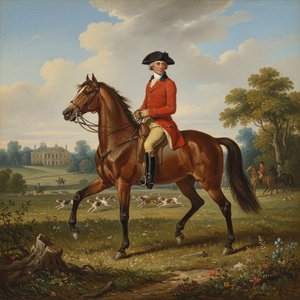
Explore the captivating equestrian art of John Nost Sartorius (1759-1828). Discover his detailed paintings of racehorses, hunting scenes & aristocratic life. Learn about collecting Sartorius's work and its lasting value.

Commission breathtaking bespoke fantasy art with skilled oil painters. Explore techniques, artist selection & preservation tips. Invest in a unique masterpiece today!

Explore the captivating portraits of Sir John Watson Gordon, a leading Scottish master. Discover his evolution from neoclassical style to atmospheric Tonalism and influence on 19th-century British art. Learn about his iconic sitters & legacy.
Μεταμορφώστε τις αγαπημένες σας φωτογραφίες σε μοναδικά έργα τέχνης! Χειροποίητες προσωπογραφίες σε λάδι από έμπειρους καλλιτέχνες. Υψηλή ποιότητα, εξατομικευμένη προσέγγιση & αξέχαστα δώρα.


Μείνετε ενημερωμένοι για τις τελευταίες ειδήσεις σχετικά με την τέχνη, αποκλειστικές προσφορές και ιδέες διακόσμησης.
Πείτε μας περισσότερα για το έργο σας και οι ειδικοί μας στην τέχνη θα σας προσφέρουν 3 εξατομικευμένες προτάσεις έργων τέχνης.
Αφήστε μας να επιμεληθούμε 3 επιλογές αποκλειστικά για εσάς – Δωρεάν!


 Δείτε σε πραγματικό χώρο
 Αποστολή
 Κοινοποίηση
 Λεπτομέρειες

 Λήψη
Λήψη
 Παρόμοια αντικείμενα συλλογής
 Ακτινογραφία
 Παρουσίαση
 Διαβάστε περισσότερα







 Η επιλογή με γυαλί είναι διαθέσιμη μόνο για μεγέθη κάτω από 110 εκ.


