


x

 Acrylic On CanvasWallArtNaive Art
 1973Renaissance
 73.0 x 92.0 cm
Χειροποίητη oil painting σε καμβά στο δικό σας μέγεθος και πλαίσιο, κατά παραγγελία από τους καλλιτέχνες μας. ( Αγορά εκτύπωσης Αγορά ψηφιακής εικόνας)





























Επιλέξτε από τις προκαθορισμένες διαστάσεις μας που διατηρούν τις αρχικές αναλογίες του έργου τέχνης.

Μπορείτε να ορίσετε δικές σας διαστάσεις ώστε το έργο να ταιριάζει σε ένα συγκεκριμένο πλαίσιο ή χώρο. Εάν το επιλεγμένο μέγεθος δεν συμπίπτει με τις αναλογίες της αρχικής εικόνας, θα περικοψούμε το έργο ή θα επεκτείνουμε τη ζωγραφιά με πρόσθετα χειρόγραφα στοιχεία. Ένα ψηφιακό προσχέδιο θα σας αποσταλεί για έγκριση πριν την έναρξη της παραγωγής.
Παρακαλούμε σημειώστε ότι η προεπισκόπηση στην οθόνη δεν αντικατοπτρίζει την πραγματική περικοπή ή επέκταση. Μόνο το προσχέδιο θα δείξει με ακρίβεια την τελική σύνθεση.
Παρόλο που είναι διαθέσιμα προσαρμοσμένα μεγέθη, συνιστούμε να επιλέξετε μια διάσταση από τη λίστα των προκαθορισμένων μεγεθών για τη διατήρηση των αρχικών αναλογιών.
Παγκόσμια Αποστολή () σε 3-4 εβδομάδες αντί για τις συνήθεις 5 εβδομάδες. (22 Αύγουστος). Χωρίς συμβιβασμούς στην ποιότητα.


Jacob's Ladder
Διαστάσεις Αναπαραγωγής
Marc Chagall’s “Jacob’s Ladder,” completed in 1973, stands as a luminous testament to the artist’s enduring fascination with biblical narratives and his unparalleled ability to translate spiritual concepts into visual poetry. This monumental oil on canvas—measuring 73 x 92 cm—belongs firmly within the Naïve Art movement (Primitivism), yet transcends categorization through Chagall's distinctive vision, rooted in memory and infused with a dreamlike quality that captivates viewers decades after its creation.
The painting draws directly from Genesis 28:10–19, recounting Jacob’s prophetic dream of a ladder ascending to heaven—a symbol laden with theological significance. Chagall meticulously renders this ethereal scene, prioritizing emotional resonance over strict realism. The dominant crimson sky serves as an arresting backdrop, conveying divine majesty and casting an otherworldly glow upon the entire composition. At its center is the ladder itself, populated by angelic figures depicted with fluid brushstrokes that capture movement and luminosity—a deliberate departure from academic conventions.
Beyond its biblical reference, “Jacob’s Ladder” overflows with symbolic imagery. The village nestled beneath the ladder represents earthly existence, juxtaposed against the celestial realm above. Chagall employs a vibrant palette—primarily reds, blues, and yellows—to heighten emotional impact and create an atmosphere of wonder. His technique is characterized by loose brushwork, impasto (thickly applied paint), and expressive layering, hallmarks of Naïve Art’s rejection of formal training. These stylistic choices contribute to the painting's dreamlike quality, mirroring Jacob’s visionary experience.
“Jacob’s Ladder” is part of a broader artistic trajectory marked by Chagall’s exploration of Jewish folklore and spirituality. Alongside masterpieces like “Moses Receiving the Tablets of Law,” “Striking the Rock,” and “The Walk,” this painting exemplifies his commitment to conveying profound emotional truths through imaginative visual language. Chagall's stylistic influence extends beyond Naïve Art, impacting subsequent generations of artists who sought to capture the essence of emotion and memory.
"Jacob’s Ladder" continues to resonate with audiences today because it embodies Chagall’s unwavering belief in the transformative power of art—a conviction that transcends time and cultural boundaries. Its luminous colors, evocative brushwork, and symbolic richness invite contemplation on themes of faith, aspiration, and the enduring connection between humanity and divinity. It remains a captivating exemplar of artistic expression.

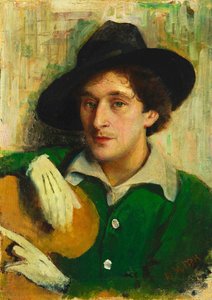
1887 - 1985 , Βέλγραδι

Explore the revolutionary world of Naïve Art & Primitivism! Discover how artists challenged academic traditions with raw emotion & unique styles. Learn about Picasso, Rousseau & more at Most-Famous-Paintings.

Discover the profound beauty of Naïve Art. Explore how self-taught masters bypass academic tradition to capture raw emotional truth through vibrant color and soulful simplicity. A cultural journey for the true art lover seeking depth beyond convention.
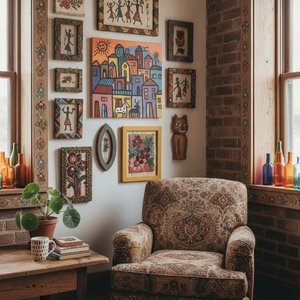
Ditch the boring decor. Discover why Naive Art's raw, bold, and unfiltered aesthetic is the ultimate trend for modern urban spaces. Learn how to use vibrant colors and unstudied sincerity to create a high-impact, authentic vibe in your home or studio.
Ανακαλύψτε τα 10 αριστουργήματα του Γερμανικού Εξπρεσιονισμού! Munch, Kirchner & άλλοι καλλιτέχνες που καθόρισαν μια εποχή. Ιστορίες τέχνης, έντονα χρώματα και συναισθηματική δύναμη. Βρείτε πίνακες εξπρεσιονισμού υψηλής ποιότητας στο Most-Famous-Paintings.gr

Ανακαλύψτε τις 10 πιο εμβληματικές λιθογραφίες που επαναπροσδιόρισαν την τέχνη! Ιστορίες καλλιτεχνών, τεχνικές & χρώματα. Βρείτε αναπαραγωγές υψηλής ποιότητας για να εμπνεύσετε το σπίτι σας. Εξερευνήστε τη συλλογή στο Most-Famous-Paintings.com


Μείνετε ενημερωμένοι για τις τελευταίες ειδήσεις σχετικά με την τέχνη, αποκλειστικές προσφορές και ιδέες διακόσμησης.
Πείτε μας περισσότερα για το έργο σας και οι ειδικοί μας στην τέχνη θα σας προσφέρουν 3 εξατομικευμένες προτάσεις έργων τέχνης.
Αφήστε μας να επιμεληθούμε 3 επιλογές αποκλειστικά για εσάς – Δωρεάν!


 Δείτε σε πραγματικό χώρο
 Αποστολή
 Κοινοποίηση
 Λεπτομέρειες

 Λήψη
Λήψη
 Παρόμοια αντικείμενα συλλογής
 Ακτινογραφία
 Παρουσίαση
 Διαβάστε περισσότερα







 Η επιλογή με γυαλί είναι διαθέσιμη μόνο για μεγέθη κάτω από 110 εκ.


