x

 Acrylic On PaperOtherExpressionism
 1963
1963 19.0 x 31.0 cm
Χειροποίητη oil painting σε καμβά στο δικό σας μέγεθος και πλαίσιο, κατά παραγγελία από τους καλλιτέχνες μας. ( Αγορά εκτύπωσης Αγορά ψηφιακής εικόνας)





























Επιλέξτε από τις προκαθορισμένες διαστάσεις μας που διατηρούν τις αρχικές αναλογίες του έργου τέχνης.

Μπορείτε να ορίσετε δικές σας διαστάσεις ώστε το έργο να ταιριάζει σε ένα συγκεκριμένο πλαίσιο ή χώρο. Εάν το επιλεγμένο μέγεθος δεν συμπίπτει με τις αναλογίες της αρχικής εικόνας, θα περικοψούμε το έργο ή θα επεκτείνουμε τη ζωγραφιά με πρόσθετα χειρόγραφα στοιχεία. Ένα ψηφιακό προσχέδιο θα σας αποσταλεί για έγκριση πριν την έναρξη της παραγωγής.
Παρακαλούμε σημειώστε ότι η προεπισκόπηση στην οθόνη δεν αντικατοπτρίζει την πραγματική περικοπή ή επέκταση. Μόνο το προσχέδιο θα δείξει με ακρίβεια την τελική σύνθεση.
Παρόλο που είναι διαθέσιμα προσαρμοσμένα μεγέθη, συνιστούμε να επιλέξετε μια διάσταση από τη λίστα των προκαθορισμένων μεγεθών για τη διατήρηση των αρχικών αναλογιών.
Παγκόσμια Αποστολή () σε 3-4 εβδομάδες αντί για τις συνήθεις 5 εβδομάδες. (15 Αύγουστος). Χωρίς συμβιβασμούς στην ποιότητα.


Moses with the Burning Bush
Διαστάσεις Αναπαραγωγής
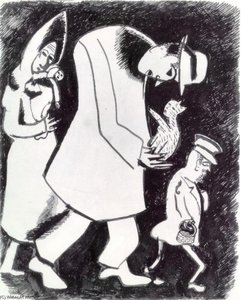
Marc Chagall’s “Moses with the Burning Bush,” created in 1963, isn’t merely a depiction of a biblical narrative; it’s an intensely personal and profoundly moving exploration of faith, memory, and the enduring power of dreams. This striking black-and-white drawing, measuring a modest 19 x 31 cm, immediately captivates with its dynamic composition and expressive energy – a far cry from the polished realism of many historical paintings. It feels less like a carefully constructed narrative and more like a fleeting glimpse into Chagall’s own inner world, a testament to his lifelong fascination with folklore, Jewish tradition, and the ethereal realm of imagination.
The drawing's immediate impact stems from its loose, almost sketch-like execution. Lines are thick and uneven, creating a palpable sense of movement and urgency. Figures aren’t rendered with precise detail but rather suggested through gestural marks and overlapping planes – a technique that echoes the influence of Expressionism while retaining Chagall’s uniquely individual style. The flattened perspective further contributes to this feeling of immediacy, drawing the viewer directly into the scene as if witnessing it unfold before their eyes.
At the heart of the composition is Moses himself, a figure both grounded and reaching upwards. He’s not presented as a heroic leader but rather as a man wrestling with revelation, his posture conveying a sense of profound contemplation. Crucially, he's surrounded by other figures – women, children, and animals – all caught in a swirling dance of movement, seemingly propelled skyward. This imagery is deeply rooted in Chagall’s personal mythology, referencing the folklore of his Hasidic Jewish upbringing where stories of flight and ascension were central to religious belief. These aren’t simply bystanders; they represent the collective experience of faith, drawn upwards towards the divine.
Dominating the scene is, of course, the burning bush – a potent symbol of God's presence and revelation. Chagall doesn’t offer a literal representation; instead, he captures its essence through an illuminated sphere at the top left corner, radiating light and drawing the eye upwards. This isn’t a static image of divine power but rather a dynamic force, actively illuminating the figures below and suggesting a transformative experience.
The artwork is primarily executed in pencil, utilizing hatching and cross-hatching to create varying tones and textures. This technique lends a raw, immediate quality to the piece – it feels as though Chagall worked directly onto the paper, capturing his thoughts and emotions with swift, decisive strokes. The use of black and white further emphasizes the drawing’s emotional intensity, stripping away any distractions and focusing attention on form, movement, and symbolism. The textured surface, created by the layering of graphite, adds a tactile dimension to the image, inviting viewers to engage with it on a sensory level.
“Moses with the Burning Bush” is more than just a biblical illustration; it’s a window into the soul of one of the 20th century’s most beloved artists. Born Moishe Shagal in Liozna, Belarus, Chagall’s life was shaped by his Jewish heritage and his deep connection to the folklore of his childhood. His art consistently reflects this influence, blending religious symbolism with personal memories and a boundless imagination. This drawing, created later in his career, demonstrates the continued strength of his vision – a testament to his ability to transform profound spiritual experiences into works of enduring beauty and emotional resonance. Reproductions offer a remarkable opportunity to bring this captivating piece into any space, inviting contemplation and sparking the imagination.

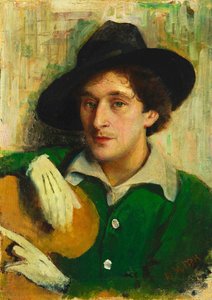
1887 - 1985 , Βέλγραδι

Elevate your interiors with impactful statement walls! Expert guide on scaling artwork for perfect proportions & design harmony. Custom solutions & free consultations at Most-Famous-Paintings.

Explore the rich history of biblical art from Giotto to the Renaissance masters. Discover symbolism, techniques & enduring legacies with Most-Famous-Paintings – your source for museum-quality reproductions and expert art insights.

Explore the profound history of biblical art! Discover Renaissance masterpieces by Giotto & more. Uncover symbolism, artistic techniques, and lasting influence. Expert insights at Most-Famous-Paintings.

Ανακαλύψτε τις τεχνικές για να δημιουργήσετε αρμονικούς συνδυασμούς έργων τέχνης στον χώρο σας! Εμπειρία, συμβουλές διακόσμησης & προστασίας συλλογών. Δώστε νέα πνοή στην αισθητική του σπιτιού ή του ξενοδοχείου σας.

Ανακαλύψτε τους 10 πιο διάσημους πίνακες με κυρίαρχο το ασπρόμαυρο! Ιστορίες τέχνης, τεχνικές ζωγραφικής & η διαχρονική αξία των αριστουργημάτων. Βρείτε αναπαραγωγές υψηλής ποιότητας στο Most-Famous-Paintings.com.


Μείνετε ενημερωμένοι για τις τελευταίες ειδήσεις σχετικά με την τέχνη, αποκλειστικές προσφορές και ιδέες διακόσμησης.
Πείτε μας περισσότερα για το έργο σας και οι ειδικοί μας στην τέχνη θα σας προσφέρουν 3 εξατομικευμένες προτάσεις έργων τέχνης.
Αφήστε μας να επιμεληθούμε 3 επιλογές αποκλειστικά για εσάς – Δωρεάν!


 Δείτε σε πραγματικό χώρο
 Αποστολή
 Κοινοποίηση
 Λεπτομέρειες

 Λήψη
Λήψη
 Παρόμοια αντικείμενα συλλογής
 Ακτινογραφία
 Παρουσίαση
 Διαβάστε περισσότερα







 Η επιλογή με γυαλί είναι διαθέσιμη μόνο για μεγέθη κάτω από 110 εκ.