x

 Αγοράστε την αναπαραγωγή Αγορά ψηφιακής εικόνας
 Αποστολή
 Λεπτομέρειες
 Προσθήκη στα αγαπημένα
 Λήψη
Λήψη
 Παρόμοια έργα
 Ακτινογραφία
 Παρουσίαση
Εκτύπωση giclée ή σε καμβά ποιότητας μουσείου με γρήγορη παραγωγή και ευέλικτες επιλογές φινιρίσματος.
Επιλέξτε από τις προκαθορισμένες διαστάσεις μας που διατηρούν τις αρχικές αναλογίες του έργου τέχνης.

Μπορείτε να εισαγάγετε δικές σας διαστάσεις ώστε να ταιριάξουν με ένα συγκεκριμένο πλαίσιο ή χώρο. Εάν το επιλεγμένο μέγεθος δεν συμπίπτει με τις αναλογίες της πρωτότυπης εικόνας, θα κόψουμε το έργο τέχνης ή θα επεκτείνουμε την εικόνα με καθρεφτισμένη ή μονόχρωμη ατέλεια. Θα σας αποσταλεί ένα ψηφιακό mockup για έγκρισή σας πριν από την έναρξη της παραγωγής.
Παρακαλούμε σημειώστε ότι η προεπισκόπηση στην οθόνη δεν αντικατοπτρίζει την πραγματική κοπή ή επέκταση. Μόνο το mockup θα δείξει με ακρίβεια την τελική σύνθεση.
Παρόλο που είναι διαθέσιμες προσαρμοσμένες διαστάσεις, προτείνουμε την επιλογή μιας διάστασης από τη προκαθορισμένη λίστα για τη διατήρηση των αρχικών αναλογιών.
Παγκόσμια Αποστολή () σε 2 εβδομάδες αντί για τις συνήθεις 4/5 εβδομάδες. (21 Ιούλιος)


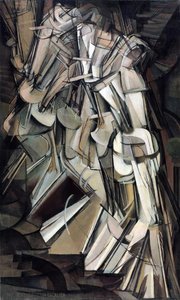
Father
Διαστάσεις Αναπαραγωγής
Marcel Duchamp's “Father,” painted in 1910, stands as a poignant testament to the artist’s exploration of familial bonds and psychological depth within the framework of Expressionism. More than just a likeness of his father, Eugène Duchamp, the painting delves into themes of vulnerability, contemplation, and the quiet dignity of aging—elements that resonate powerfully with viewers today.
“Father” is firmly rooted in the burgeoning movement of Cubism, spearheaded by Picasso and Braque. Duchamp's engagement with Cubist principles—particularly the fragmentation of form and simultaneous viewpoints—represents a radical departure from academic painting traditions. This stylistic influence underscores his commitment to questioning established artistic conventions and prioritizing conceptual exploration over visual representation.
Duchamp’s deliberate use of impasto—thickly applied paint—is crucial to conveying the painting’s emotional resonance. The textured surface captures the physicality of the brushstrokes, mirroring Eugène Duchamp's own presence within the artwork. This tactile element enhances the viewer’s experience, inviting contemplation and fostering a connection with the artist’s expressive intent.
"Father" exemplifies Duchamp’s broader philosophical stance: rejecting the pursuit of visual beauty in favor of intellectual inquiry. By prioritizing conceptual exploration over realistic depiction, he ushered in a new era of art history—one characterized by questioning assumptions and redefining artistic value. This enduring legacy continues to inspire artists and collectors alike who appreciate the profound emotional impact of art that transcends mere surface appearance."


1887 - 1968 , Γαλλία

Transform your cherished travel photos into timeless oil paintings with expert artists at Most-Famous-Paintings.com. Museum-quality reproductions & custom portraits – preserve your memories beautifully.

Ανακαλύψτε τους 10 πιο διάσημους πίνακες με κυρίαρχες αποχρώσεις μανιταριού! Ιμπρεσιονισμός, μοντερνισμός & γήινες παλέτες. Βρείτε την τέλεια αναπαραγωγή πίνακα για το σπίτι σας στην Most-Famous-Paintings.com.
Μεταμορφώστε τις αγαπημένες σας φωτογραφίες σε μοναδικά έργα τέχνης! Χειροποίητες προσωπογραφίες σε λάδι από έμπειρους καλλιτέχνες. Υψηλή ποιότητα, εξατομικευμένη προσέγγιση & αξέχαστα δώρα.

Ανακαλύψτε τους 10 θρυλικούς καμβάδες που έγραψαν ιστορία στην τέχνη! Μονέ, Βαν Γκογκ & άλλοι μεγάλοι ζωγράφοι. Έμπνευση για διακόσμηση σπιτιού με πίνακες υψηλής ποιότητας. Εξερευνήστε τη συλλογή στο Most-Famous-Paintings.com!

Ανακαλύψτε τους 10 πιο διάσημους πίνακες με κυρίαρχο το χρώμα του ξύλου! Από Βαν Γκογκ έως Ρέμπραντ, εξερευνήστε την ιστορία, τις τεχνικές & τη μαγεία της γήινης παλέτας. Υψηλής ποιότητας αναπαραγωγές τέχνης στο Most-Famous-Paintings.com.


Μείνετε ενημερωμένοι για τις τελευταίες ειδήσεις σχετικά με την τέχνη, αποκλειστικές προσφορές και ιδέες διακόσμησης.
Πείτε μας περισσότερα για το έργο σας και οι ειδικοί μας στην τέχνη θα σας προσφέρουν 3 εξατομικευμένες προτάσεις έργων τέχνης.
Αφήστε μας να επιμεληθούμε 3 επιλογές αποκλειστικά για εσάς – Δωρεάν!


 Κοινοποίηση


 Περισσότερα λεπτομέρεια




































 Η επιλογή με γυαλί είναι διαθέσιμη μόνο για μεγέθη κάτω από 110 εκ.