x


 Preview
 Αγοράστε την αναπαραγωγή Αγορά ψηφιακής εικόνας
 Αποστολή
 Λεπτομέρειες
 Προσθήκη στα αγαπημένα
 Λήψη
Λήψη
 Παρόμοια έργα
 Ακτινογραφία
 Παρουσίαση
 Acrylic On CanvasWallArtProto-Cubism
 1911Modern
 146.0 x 114.0 cm
Εκτύπωση giclée ή σε καμβά ποιότητας μουσείου με γρήγορη παραγωγή και ευέλικτες επιλογές φινιρίσματος.





























Επιλέξτε από τις προκαθορισμένες διαστάσεις μας που διατηρούν τις αρχικές αναλογίες του έργου τέχνης.

Μπορείτε να εισαγάγετε δικές σας διαστάσεις ώστε να ταιριάξουν με ένα συγκεκριμένο πλαίσιο ή χώρο. Εάν το επιλεγμένο μέγεθος δεν συμπίπτει με τις αναλογίες της πρωτότυπης εικόνας, θα κόψουμε το έργο τέχνης ή θα επεκτείνουμε την εικόνα με καθρεφτισμένη ή μονόχρωμη ατέλεια. Θα σας αποσταλεί ένα ψηφιακό mockup για έγκρισή σας πριν από την έναρξη της παραγωγής.
Παρακαλούμε σημειώστε ότι η προεπισκόπηση στην οθόνη δεν αντικατοπτρίζει την πραγματική κοπή ή επέκταση. Μόνο το mockup θα δείξει με ακρίβεια την τελική σύνθεση.
Παρόλο που είναι διαθέσιμες προσαρμοσμένες διαστάσεις, προτείνουμε την επιλογή μιας διάστασης από τη προκαθορισμένη λίστα για τη διατήρηση των αρχικών αναλογιών.
Παγκόσμια Αποστολή () σε 2 εβδομάδες αντί για τις συνήθεις 4/5 εβδομάδες. (24 Ιούλιος)


Portrait (Dulcinea)
Διαστάσεις Αναπαραγωγής
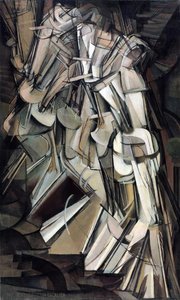
Marcel Duchamp's “Portrait (Dulcinea),” completed in 1911, stands as a cornerstone of Proto-Cubism and embodies the artist’s audacious challenge to conventional artistic representation. More than just a depiction of a woman—a figure glimpsed fleetingly on Parisian streets—it’s an exploration of time, movement, and the very essence of perception itself. Duchamp's decision to elevate an ordinary porcelain urinal to the status of art cemented his legacy as one of the most influential figures in modern art.
Born Henri Robert Marcel Duchamp in 1887, Duchamp initially pursued formal training, mastering traditional techniques before rejecting them altogether. He recognized that true innovation lay not in replicating reality but in interrogating its underlying structure. “Portrait (Dulcinea)” exemplifies this approach, drawing heavily from Étienne-Jules Marey’s and Eadweard Muybridge’s pioneering chronophotography experiments—a technique aimed at capturing movement—and translating it into a visual language. The painting abandons single viewpoint perspective, presenting five women simultaneously in successive positions, each subtly shifting attire as if stripped over time.
Measuring 146 x 114 cm, the canvas is dominated by five women arranged in a dynamic tableau. Each figure possesses distinct characteristics—long hair flowing down her back, short hair, and varied poses—reflecting Duchamp’s meticulous observation of the human form. The artist skillfully employs geometric shapes to fragment the figures, mirroring the Cubist preoccupation with dissecting objects into constituent parts. The limited color palette – earthy tones – reinforces this sense of austerity and contributes to the painting's contemplative mood.
“Portrait (Dulcinea)” transcends mere visual representation; it operates on a symbolic level, hinting at Duchamp’s fascination with concepts like time and transformation. The gradual diminution of clothing across the five women symbolizes a process of unveiling—a stripping away of superficial layers to reveal an underlying essence. This deliberate gesture aligns with Duchamp's broader artistic philosophy, questioning accepted notions of beauty and challenging viewers to reconsider their understanding of art.
Duchamp’s groundbreaking vision profoundly impacted subsequent artists, including Joseph Cornell, Baroness Elsa von Freytag-Loringhoven, and Andy Warhol. His playful self-representation—particularly his depiction of Dulcinea—inspired countless likenesses by other creatives, securing his place as a pivotal figure in the history of art. “Portrait (Dulcinea)” foreshadows Duchamp’s monumental *Nude Descending a Staircase, No. 2* and *The Large Glass*, demonstrating his unwavering commitment to pushing artistic boundaries.
Currently housed at the Philadelphia Museum of Art, this remarkable artwork continues to inspire debate and admiration, cementing Duchamp's enduring legacy as an artist who fundamentally reshaped the landscape of modern art.


1887 - 1968 , Γαλλία

Ανακαλύψτε τα 10 κορυφαία πορτρέτα στην ιστορία της τέχνης! Μάθετε για τους Λεονάρντο Ντα Βίντσι, Ρέμπραντ και άλλους μεγάλους ζωγράφους. Υψηλής ποιότητας αναπαραγωγές πινάκων & ιδέες διακόσμησης στο Most-Famous-Paintings.gr. Εξερευνήστε την πλήρη συλλογή online!

Ανακαλύψτε τα 25 κορυφαία έργα τέχνης του Francis Bacon! Εξερευνήστε τη σκοτεινή, εκφραστική δύναμη των πινάκων του. Υψηλής ποιότητας αναπαραγωγές & ιδέες διακόσμησης στο Most-Famous-Paintings.com.

Explore the captivating world of vintage portrait art! Discover styles, techniques & the enduring appeal of 19th-century masterpieces. Expert restoration, custom reproductions & appraisal services at Most-Famous-Paintings.

Ανακαλύψτε τα 10 κορυφαία κυβιστικά πορτρέτα που επαναπροσδιόρισαν την τέχνη! Πικάσο, Μπρακ & Γκρις: ιστορίες, τεχνικές και έμπνευση για τον χώρο σας. Υψηλής ποιότητας αναπαραγωγές στην Most-Famous-Paintings.com.

Commission a timeless oil portrait from skilled artists at Most-Famous-Paintings. Preserve your family's legacy with museum-quality paintings, crafted to cherish for generations. Expert guidance & personalized service.


Μείνετε ενημερωμένοι για τις τελευταίες ειδήσεις σχετικά με την τέχνη, αποκλειστικές προσφορές και ιδέες διακόσμησης.
Πείτε μας περισσότερα για το έργο σας και οι ειδικοί μας στην τέχνη θα σας προσφέρουν 3 εξατομικευμένες προτάσεις έργων τέχνης.
Αφήστε μας να επιμεληθούμε 3 επιλογές αποκλειστικά για εσάς – Δωρεάν!


 Κοινοποίηση

 Περισσότερα λεπτομέρεια







 Η επιλογή με γυαλί είναι διαθέσιμη μόνο για μεγέθη κάτω από 110 εκ.