


x

 Oil On PanelEarly Netherlandish Painting
 1480
1480 81.0 x 55.0 cm
 Στατιστικές Μουσεία
Αγοράστε μια ψηφιακή εικόνα υψηλής ανάλυσης και βελτιωμένης ποιότητας, πολύ ανώτερης από την προεπισκόπηση στο διαδίκτυο.
Κάθε αρχείο προετοιμάζεται σχολαστικά από τους εξειδικευμένους συνεργάτες μας, με τη χρήση προηγμένων εργαλείων και χειροκίνητου ρετουσαρίσματος υψηλής ακρίβειας. Εξασφαλίζουμε ότι κάθε εικόνα προσφέρει εξαιρετική ευκρίνεια, απόλυτη πιστότητα στο χρώμα και λεπτομερή ανάδραση των λεπτομερειών.
Το τελικό αρχείο παραδίδεται μέσω email εντός 72 ωρών, βελτιστοποιημένο για άμεση χρήση σε επαγγελματικά, εκδοτικά και έντυπα περιβάλλοντα. Πρόκειται για την ίδια ποιότητα που εμπιστεύονται κορυφαία studios σχεδιασμού, εκδότες και γκαλερί.
Κατεβάστε ένα αρχείο υψηλής ανάλυσης για προσωπική χρήση, εκτύπωση και δημιουργικά έργα. ( Αγορά εκτύπωσης Αγορά χειροποίητου πίνακα)
Όταν επιλέγετε το Most-Famous-Paintings.com, δεν αποκτάτε απλώς μια εικόνα – λαμβάνετε ένα επαγγελματικά αναβαθμισμένο ψηφιακό έργο τέχνης, δημιουργημένο με ακρίβεια και με εγγύηση ικανοποίησης. Δείτε όλα όσα περιλαμβάνονται στην παραγγελία σας, αυτόματα:

Το ψηφιακό σας αρχείο εικόνας υψηλής ανάλυσης θα σας σταλεί μέσω email εντός 72 ωρών από την παραγγελία σας — έτοιμο για άμεση χρήση.

Το έργο σας βελτιστοποιείται επαγγελματικά με τη χρήση προηγμένων εργαλείων Τεχνητής Νοημοσύνης και χειροκίνητης επεξεργασίας, εξασφαλίζοντας μέγιστη λεπτομέρεια, ευκρίνεια και ακρίβεια χρωμάτων.

Απώλησες ή διαγράψατε κατά λάθος το αρχείο σας; Μην ανησυχείτε — θα σας το ξαναστείλομε οποιαδήποτε στιγμή, δωρεάν.

Απολαύστε αμέσως τα έργα τέχνης σας χωρίς δασμούς, φόρους ή έξοδα αποστολής - οι ψηφιακές λήψεις είναι πάντα αφορεশিপτεία.

Εξασφαλίζουμε ότι η ψηφιακή σας εικόνα αποτυπώνει τα αυθεντικά χρώματα όσο το δυνατόν πιστότερα, χρησιμοποιώντας επαγγελματικά εργαλεία και διαχείριση χρωμάτων.

Εάν δεν είστε ικανοποιημένοι με την ψηφιακή σας εικόνα, θα την αναθεωρήσουμε ή θα σας επιστρέψουμε το 100% της αξίας της εντός 60 ημερών - χωρίς κανένα ερώτημα.

Δεν είστε ικανοποιημένοι; Λάβετε πλήρη επιστροφή των χρημάτων σας εντός 60 ημερολογιακών ημερών από τη λήψη του ψηφιακού σας αρχείου — χωρίς κανένα ερώτημα.

Αγοράστε 3 εικόνες, κάντε εξοικονόμηση 10% - Αγοράστε 5, κάντε εξοικονόμηση 15% - Αγοράστε 10+, κάντε εξοικονόμηση 20%. Ιδανικό για δημιουργικά έργα, γκαλερί και agencies.
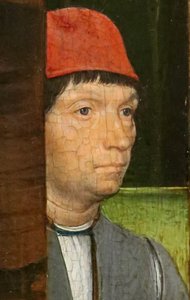
Within the hushed galleries of museums and private collections resides a captivating miniature masterpiece – Hans Memling's “Virgin and Child Enthroned,” painted circa 1480. More than just a devotional image, this small panel offers a profound glimpse into the artist’s meticulous technique, his deep understanding of symbolism, and the prevailing spiritual atmosphere of late medieval Bruges. It’s a scene brimming with quiet dignity, maternal tenderness, and an almost palpable sense of divine grace – a testament to Memling's mastery of creating intimate moments within a grander narrative.
Memling, born in Seligenstadt, Germany, but ultimately establishing his career in the vibrant artistic hub of Bruges, was a pivotal figure in the Early Netherlandish movement. Trained initially under Rogier van der Weyden, he quickly developed a distinctive style characterized by remarkable detail, luminous colors, and an almost sculptural quality to his figures. Unlike some of his contemporaries who favored dramatic narratives, Memling excelled at capturing serene, contemplative scenes – often centered around the Virgin Mary and Christ Child. This particular piece exemplifies that strength, offering a rare moment of quiet intimacy within the context of Christian iconography.
The composition itself is deceptively simple yet profoundly rich in symbolic meaning. The Virgin Mary sits upon an elaborate throne, not of stone or metal, but rendered as a richly carved wooden structure – a deliberate choice that elevates the scene to a realm beyond the earthly. This throne, adorned with intricate tracery and volute armrests, isn’t merely a prop; it represents the divine authority and majesty of the Mother of God. Below her, Christ Child is enthroned upon her lap, his youthful face radiating an almost otherworldly serenity. The positioning—Mary's hand gently supporting the infant—immediately evokes the image of nursing, symbolizing not only physical nourishment but also spiritual sustenance.
Notice the careful attention to detail throughout the painting. The drapery is rendered with exquisite precision, each fold and pleat meticulously depicted. The light, emanating from an unseen source, bathes the scene in a soft, diffused glow, creating a sense of warmth and tranquility. Even the background landscape—a stylized depiction of a wooded area—contributes to the overall atmosphere of serenity and contemplation. The inclusion of a small cloth of honor, reminiscent of those used for royalty, further emphasizes Mary’s elevated status as Queen of Heaven.
Adding another layer of complexity is the presence of an unidentified donor kneeling before the Virgin and Child. His posture suggests reverence and devotion, while his inclusion subtly references the tradition of commissioning religious art – a common practice among wealthy patrons of the time. Interestingly, the figure’s features are somewhat obscured, perhaps reflecting the artist's desire to focus attention on the central figures or hinting at the anonymity often associated with donors in such works. The presence of Saint George, depicted as a limp and lifeless dragon, reinforces the narrative of Christ’s sacrifice and redemption.
The painting is deeply rooted in the iconography of the era. Elements like the iris (representing sorrow) and the columbine (symbolizing mourning) subtly underscore the themes of loss and suffering associated with the life of Christ. Furthermore, it echoes earlier works by Rogier van der Weyden, particularly his “Virgin and Child Enthroned,” demonstrating Memling’s apprenticeship and his evolution as an artist. The influence of Robert Campin is also evident in the depiction of Mary's pose and the architectural setting.
“Virgin and Child Enthroned” isn’t simply a beautiful painting; it’s a window into the soul of a Renaissance artist grappling with profound spiritual questions. Memling’s meticulous technique, combined with his deep understanding of symbolism and iconography, creates an image that is both visually stunning and emotionally resonant. It's a testament to the enduring power of art to evoke contemplation, inspire devotion, and connect us to the timeless themes of faith, love, and sacrifice. Reproductions capture only a fraction of the original’s impact, but this small panel remains a powerful reminder of the beauty and serenity that can be found within the heart of medieval art.

Γερμανία


Μείνετε ενημερωμένοι για τις τελευταίες ειδήσεις σχετικά με την τέχνη, αποκλειστικές προσφορές και ιδέες διακόσμησης.
Πείτε μας περισσότερα για το έργο σας και οι ειδικοί μας στην τέχνη θα σας προσφέρουν 3 εξατομικευμένες προτάσεις έργων τέχνης.
Αφήστε μας να επιμεληθούμε 3 επιλογές αποκλειστικά για εσάς – Δωρεάν!


 Δείτε σε πραγματικό χώρο
 Αποστολή
 Κοινοποίηση
 Λεπτομέρειες

 Λήψη
Λήψη
 Παρόμοια αντικείμενα συλλογής
 Ακτινογραφία
 Παρουσίαση
 Διαβάστε περισσότερα


