Πουλήστε την τέχνη σας
Λίστα επιθυμιών Καλάθι Αγορών Cart
x
Δείτε σε πραγματικό χώροΔείτε σε πραγματικό χώρο Προεπισκόπηση σε ARΠροεπισκόπηση σε AR Αγορά εκτύπωσης Αγορά εκτύπωσηςΑγορά χειροποίητου πίνακα Αγορά χειροποίητου πίνακα ΑποστολήΑποστολή
ΛεπτομέρειεςΛεπτομέρειες Προσθήκη στα αγαπημένα Προσθήκη στα αγαπημένα ΛήψηΛήψη Παρόμοια αντικείμενα συλλογήςΠαρόμοια αντικείμενα συλλογής ΑκτινογραφίαΑκτινογραφία ΠαρουσίασηΠαρουσίαση

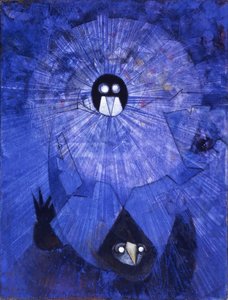
Untitled (320)

Explore Otto Mueller's evocative nudes & Romani subjects! A key Die Brücke Expressionist, his harmonious landscapes were condemned by the Nazis. Discover his art today.

Αγοράστε μια ψηφιακή εικόνα υψηλής ανάλυσης και βελτιωμένης ποιότητας, πολύ ανώτερης από την προεπισκόπηση στο διαδίκτυο.

Κάθε αρχείο προετοιμάζεται σχολαστικά από τους εξειδικευμένους συνεργάτες μας, με τη χρήση προηγμένων εργαλείων και χειροκίνητου ρετουσαρίσματος υψηλής ακρίβειας. Εξασφαλίζουμε ότι κάθε εικόνα προσφέρει εξαιρετική ευκρίνεια, απόλυτη πιστότητα στο χρώμα και λεπτομερή ανάδραση των λεπτομερειών.

Το τελικό αρχείο παραδίδεται μέσω email εντός 72 ωρών, βελτιστοποιημένο για άμεση χρήση σε επαγγελματικά, εκδοτικά και έντυπα περιβάλλοντα. Πρόκειται για την ίδια ποιότητα που εμπιστεύονται κορυφαία studios σχεδιασμού, εκδότες και γκαλερί.

Ψηφιακή εικόνα

Κατεβάστε ένα αρχείο υψηλής ανάλυσης για προσωπική χρήση, εκτύπωση και δημιουργικά έργα. (Αγορά εκτύπωσης Αγορά εκτύπωσηςΑγορά χειροποίητου πίνακα Αγορά χειροποίητου πίνακα)

Συνολικό Κόστος

$ 24,90

Περιλαμβάνεται σε κάθε παραγγελία ψηφιακής εικόνας

Επαγγελματική Ψηφιακή Παράδοση με Εγγύηση

Όταν επιλέγετε το Most-Famous-Paintings.com, δεν αποκτάτε απλώς μια εικόνα – λαμβάνετε ένα επαγγελματικά αναβαθμισμένο ψηφιακό έργο τέχνης, δημιουργημένο με ακρίβεια και με εγγύηση ικανοποίησης. Δείτε όλα όσα περιλαμβάνονται στην παραγγελία σας, αυτόματα:

shipping_icon
Άμεση αποστολή μέσω email

Το ψηφιακό σας αρχείο εικόνας υψηλής ανάλυσης θα σας σταλεί μέσω email εντός 72 ωρών από την παραγγελία σας — έτοιμο για άμεση χρήση.

canvas_icon
Ψηφιακό Αρχείο με Τεχνητή Νοημοσύνη

Το έργο σας βελτιστοποιείται επαγγελματικά με τη χρήση προηγμένων εργαλείων Τεχνητής Νοημοσύνης και χειροκίνητης επεξεργασίας, εξασφαλίζοντας μέγιστη λεπτομέρεια, ευκρίνεια και ακρίβεια χρωμάτων.

insurance_icon
Δωρεάν επανεκδόσεις مدى ζωής

Απώλησες ή διαγράψατε κατά λάθος το αρχείο σας; Μην ανησυχείτε — θα σας το ξαναστείλομε οποιαδήποτε στιγμή, δωρεάν.

tax_icon
Χωρίς Τελωνειακούς Φόρους - Ποτέ

Απολαύστε αμέσως τα έργα τέχνης σας χωρίς δασμούς, φόρους ή έξοδα αποστολής - οι ψηφιακές λήψεις είναι πάντα αφορεশিপτεία.

color_icon
Εγγύηση Ακριβούς Χρωματισμού

Εξασφαλίζουμε ότι η ψηφιακή σας εικόνα αποτυπώνει τα αυθεντικά χρώματα όσο το δυνατόν πιστότερα, χρησιμοποιώντας επαγγελματικά εργαλεία και διαχείριση χρωμάτων.

return_icon
Εγγύηση Ικανοποίησης 60 Ημερών

Εάν δεν είστε ικανοποιημένοι με την ψηφιακή σας εικόνα, θα την αναθεωρήσουμε ή θα σας επιστρέψουμε το 100% της αξίας της εντός 60 ημερών - χωρίς κανένα ερώτημα.

guarantee_icon
100% Εγγύηση Επιστροφής Χρήματος

Δεν είστε ικανοποιημένοι; Λάβετε πλήρη επιστροφή των χρημάτων σας εντός 60 ημερολογιακών ημερών από τη λήψη του ψηφιακού σας αρχείου — χωρίς κανένα ερώτημα.

discount_icon
Εκπτώσεις για μαζικές παραγγελίες

Αγοράστε 3 εικόνες, κάντε εξοικονόμηση 10% - Αγοράστε 5, κάντε εξοικονόμηση 15% - Αγοράστε 10+, κάντε εξοικονόμηση 20%. Ιδανικό για δημιουργικά έργα, γκαλερί και agencies.



Βιογραφικό Καλλιτέχνη

A Life Immersed in Color and Controversy: The World of Otto Müller

Otto Müller, a pivotal figure within the German Expressionist group Die Brücke (The Bridge), remains an artist whose work pulsates with raw emotion, spiritual yearning, and a profound connection to the natural world. Born in Liepāja, Latvia – then part of the Russian Empire – in 1874, his early life was marked by a restless spirit and a burgeoning artistic talent that quickly outgrew conventional academic training. He wasn’t drawn to meticulous realism but rather to capturing the *essence* of experience, a pursuit that would define his entire career. His father's profession as a merchant exposed him to diverse cultures and landscapes early on, fostering an openness to new perspectives which later manifested in his unique artistic style. Müller’s initial studies at the Düsseldorf Academy were short-lived; he found its rigid structure stifling, preferring instead to develop independently, absorbing influences from artists like Van Gogh, Gauguin, and Edvard Munch – masters who prioritized emotional intensity over precise representation. This rejection of academic norms was a crucial step in his journey toward becoming a founding member of Die Brücke in 1905.

The Bridge and the Search for Primal Expression

Die Brücke wasn’t merely an artistic collective; it was a brotherhood united by a shared desire to break free from societal constraints and explore the depths of human emotion through art. Müller, alongside Kirchner, Heckel, Schmidt-Rottluff, and Pechstein, sought to reconnect with a more primal form of expression, drawing inspiration from African sculpture, medieval woodcuts, and the uninhibited energy of folk art. This pursuit led to a distinctive aesthetic characterized by bold colors, distorted forms, and a deliberate rejection of traditional perspective. Müller’s contribution to Die Brücke was particularly notable for his depictions of nude figures – often set within lush, evocative landscapes – and his sensitive portrayals of Romani people (Gypsies). These subjects weren't simply representations; they embodied a longing for an authentic existence uncorrupted by modern civilization. His paintings from this period are imbued with a sense of melancholy and spiritual searching, reflecting the group’s broader anxieties about alienation and the loss of connection in an increasingly industrialized world. He wasn’t interested in portraying idyllic scenes but rather capturing the psychological weight of his subjects, their vulnerability and resilience.

A Unique Voice: Style and Symbolism

Müller's style evolved throughout his career, yet certain hallmarks remained consistent. His use of color was particularly striking – often employing jarring juxtapositions and intense hues to create a sense of emotional tension. He favored simplified forms and flattened perspectives, reminiscent of woodcuts, which contributed to the raw, almost visceral quality of his work. The landscapes in his paintings are rarely specific locations; they serve as psychological spaces, mirroring the inner states of his figures. The Romani people he depicted were not exoticized or romanticized but rather presented with dignity and empathy. He spent extended periods living amongst them, learning their customs and traditions, and striving to capture their unique worldview. Recurring motifs, such as trees, water, and the human body, held symbolic weight in his work. Trees often represented life force and connection to nature, while water symbolized purification and transformation. The nude figures, frequently depicted in poses of contemplation or vulnerability, embodied a longing for spiritual wholeness. His later works also reveal an interest in religious themes, particularly those related to the Passion of Christ, reflecting a lifelong fascination with spirituality and suffering.

Condemnation and Legacy: A Troubled Reception

Despite his artistic achievements, Müller’s career was marked by controversy and hardship. His work, along with that of other Expressionists, was deemed “degenerate” by the Nazi regime in 1937, and he was stripped of his professorship at the Breslau Academy. He was forbidden to paint and lived in relative isolation during World War II. This persecution, however, did not diminish his artistic vision; he continued to create art throughout this period, albeit with limited resources. After the war, Müller slowly regained recognition, but his work remained largely overlooked for many years. Today, Otto Müller is celebrated as one of the most important figures in German Expressionism. His paintings are admired for their emotional intensity, spiritual depth, and unique aesthetic sensibility. He paved the way for future generations of artists to explore the complexities of human experience through bold experimentation and uncompromising self-expression. His influence can be seen in the work of numerous contemporary painters who continue to grapple with themes of alienation, spirituality, and the search for meaning in a fragmented world. His comic strip series Ottifanten, created under a pseudonym during his later years, demonstrates an unexpected playful side to his artistic personality.