x

 WatercolorWallArtSurrealist Style
 1922Modern
 16.0 x 11.0 cm
Εκτύπωση giclée ή σε καμβά ποιότητας μουσείου με γρήγορη παραγωγή και ευέλικτες επιλογές φινιρίσματος. ( Αγορά χειροποίητου πίνακα Αγορά ψηφιακής εικόνας)





























Επιλέξτε από τις προκαθορισμένες διαστάσεις μας που διατηρούν τις αρχικές αναλογίες του έργου τέχνης.

Μπορείτε να εισαγάγετε δικές σας διαστάσεις ώστε να ταιριάξουν με ένα συγκεκριμένο πλαίσιο ή χώρο. Εάν το επιλεγμένο μέγεθος δεν συμπίπτει με τις αναλογίες της πρωτότυπης εικόνας, θα κόψουμε το έργο τέχνης ή θα επεκτείνουμε την εικόνα με καθρεφτισμένη ή μονόχρωμη ατέλεια. Θα σας αποσταλεί ένα ψηφιακό mockup για έγκρισή σας πριν από την έναρξη της παραγωγής.
Παρακαλούμε σημειώστε ότι η προεπισκόπηση στην οθόνη δεν αντικατοπτρίζει την πραγματική κοπή ή επέκταση. Μόνο το mockup θα δείξει με ακρίβεια την τελική σύνθεση.
Παρόλο που είναι διαθέσιμες προσαρμοσμένες διαστάσεις, προτείνουμε την επιλογή μιας διάστασης από τη προκαθορισμένη λίστα για τη διατήρηση των αρχικών αναλογιών.
Παγκόσμια Αποστολή () σε 2 εβδομάδες αντί για τις συνήθεις 4/5 εβδομάδες. (21 Αύγουστος)


Acrobat
Διαστάσεις Αναπαραγωγής
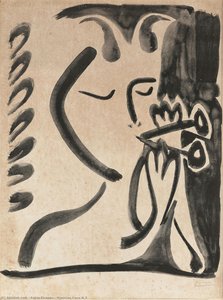
In the vast, transformative catalog of Pablo Picasso, few works capture the delicate equilibrium between raw emotion and structural innovation quite like “Acrobat.” Executed in 1922, this watercolor masterpiece transcends mere visual representation; it embodies the core tenets of Surrealism and invites a profound contemplation on themes of precariousness, duality, and human vulnerability. The composition is deceptively simple—a solitary figure balancing precariously on one leg—yet it immediately establishes an intimate dialogue with the viewer. It prompts us to question the very nature of stability versus dynamism, and the eternal struggle between maintaining control and surrendering to the unknown.
The technique employed in this piece showcases Picasso's masterful command over the ethereal qualities of watercolor. Unlike the heavy, structured layers of his later works, the application here is fluid and light, capturing the interplay of light and shadow with remarkable subtlety. The loose, almost spontaneous brushstrokes contribute to an atmosphere of dreamlike disorientation, mirroring the subconscious mind’s exploration of irrationality and fantasy. This approach prioritizes emotional resonance over precise anatomical accuracy, allowing the figure to appear as much a phantom of the imagination as a physical being.
To understand “Acrobat,” one must look toward the cultural landscape of post-World War I Europe. Created during a period of immense societal upheaval, the painting aligns perfectly with the burgeoning Surrealist movement spearheaded by figures like André Breton. This era sought to liberate art from the rigid constraints of rationalism, embracing automatism and chance operations to bypass conscious thought. Picasso’s work reflects this broader cultural preoccupation with psychological disturbance and the search for meaning amidst chaos.
Every element within the frame is laden with artistic intention. The figure’s stance represents an inherent tension between balance and instability; the single leg serves as a poignant symbol of vulnerability, while the clasped hands convey a sense of both support and confinement. This duality suggests the human struggle to maintain equilibrium amidst external pressures. Even the choice of color carries weight; the predominant green garment adds a layer of organic mystery to the scene, grounding the surrealist dream in an earthy, yet haunting, palette.
For art lovers and collectors, “Acrobat” offers more than just a historical window; it provides a profound emotional anchor. For interior designers, this piece serves as a sophisticated focal point that can introduce a sense of movement and intellectual depth to a room. Whether placed in a minimalist contemporary setting or a classic study, the painting’s dreamlike quality invites quiet reflection and conversation.
Owning a high-quality reproduction of this work allows one to bring the revolutionary spirit of Picasso into the home. It is an invitation to appreciate the beauty found in imbalance and the strength found in vulnerability. As a piece of decor, it does not merely occupy space; it transforms it, offering a window into the restless, beautiful, and ever-evolving mind of a true master.


1881 - 1973 , Ισπανία

Step into a world of dreams with our guide to the 10 greatest Surrealist masterpieces. From Dali to Magritte, explore the stories behind these iconic works and find museum-quality art reproductions for your decor. Discover all masterpieces on Most-Famous-Paintings.com.

Explore the profound history and technical mastery of watercolor painting. From medieval manuscripts to the luminous works of John Singer Sargent, discover how artists capture light and transparency through this delicate, enduring medium.


Μείνετε ενημερωμένοι για τις τελευταίες ειδήσεις σχετικά με την τέχνη, αποκλειστικές προσφορές και ιδέες διακόσμησης.
Πείτε μας περισσότερα για το έργο σας και οι ειδικοί μας στην τέχνη θα σας προσφέρουν 3 εξατομικευμένες προτάσεις έργων τέχνης.
Αφήστε μας να επιμεληθούμε 3 επιλογές αποκλειστικά για εσάς – Δωρεάν!


 Δείτε σε πραγματικό χώρο
 Αποστολή
 Κοινοποίηση
 Λεπτομέρειες

 Λήψη
Λήψη
 Παρόμοια αντικείμενα συλλογής
 Ακτινογραφία
 Παρουσίαση
 Διαβάστε περισσότερα







 Η επιλογή με γυαλί είναι διαθέσιμη μόνο για μεγέθη κάτω από 110 εκ.