x

Χειροποίητη α óleo σε καμβά στο δικό σας μέγεθος και πλαίσιο, κατά παραγγελία από τους καλλιτέχνες μας. ( Αγορά εκτύπωσης Αγορά εικόνας)





























Επιλέξτε από τις προκαθορισμένες διαστάσεις μας που διατηρούν τις αρχικές αναλογίες του έργου τέχνης.

Μπορείτε να εισάγετε δικές σας διαστάσεις για να ταιριάξετε το έργο με ένα συγκεκριμένο πλαίσιο ή χώρο. Εάν το επιλεγμένο μέγεθος δεν συμπίπτει με τις αναλογίες της αρχικής εικόνας, θα περικοψούμε το έργο τέχνης ή θα επεκτείνουμε τη ζωγραφιά με πρόσθετα χειρόγραφα στοιχεία. Ένα ψηφιακό προσχέδιο θα σας σταλεί για έγκριση πριν την έναρξη της παραγωγής.
Παρακαλούμε σημειώστε ότι η προεπισκόπηση στην οθόνη δεν αντικατοπτρίζει την πραγματική περικοπή ή επέκταση. Μόνο το προσχέδιο θα δείξει με ακρίβεια την τελική σύνθεση.
Παρόλο που είναι διαθέσιμα προσαρμοσμένα μεγέθη, συνιστούμε να επιλέξετε μια διάσταση από τη λίστα των προκαθορισμένων μεγεθών για τη διατήρηση των αρχικών αναλογιών.
Παγκόσμια Αποστολή () σε 3/4 εβδομάδες αντί για τις συνήθεις 5 εβδομάδες. (12 Αύγουστος). Χωρίς συμβιβασμούς στην ποιότητα.


Citando a matar
Διαστάσεις Αναπαραγωγής
Pablo Picasso's "Citando a Matar" (Calling to Kill), created in 1959, isn’t merely a depiction of a bullfight; it’s a visceral embodiment of ritual, tension, and the primal allure of confrontation. Rendered in stark black and white aquatint, the work immediately commands attention with its dynamic composition and expressive energy. It's a piece that speaks not just to the spectacle of the corrida but to something far deeper – the human fascination with risk, power, and the dance between hunter and hunted.
The scene unfolds with a deliberate looseness, characteristic of Picasso’s mature style. Figures are fragmented, simplified into bold silhouettes, yet imbued with a potent sense of movement. The central focus is undeniably the bull, a monumental presence rendered in thick, gestural strokes that convey its raw power and inherent danger. Its form isn't meticulously detailed; instead, it’s suggested through confident lines and tonal variations, emphasizing its mass and imposing nature. Around it swirl the seated spectators – not individualized portraits, but rather anonymous masses of humanity, caught in a shared moment of anticipation and perhaps even dread.
Picasso’s masterful use of aquatint technique is crucial to the artwork's impact. The process involves layering translucent inks on damp paper, creating subtle tonal shifts through controlled blotting. This allows him to build up areas of deep shadow and highlight with remarkable precision, generating a dramatic interplay of light and dark. Thick, gestural lines define the forms, injecting a sense of immediacy and movement into the composition. There’s a deliberate lack of refinement; Picasso eschews precise detail in favor of capturing the *feeling* of the scene – the palpable tension, the heat of the sun, the collective breath held by the audience.
The monochromatic palette further intensifies the drama. The absence of color forces the viewer to focus entirely on form and line, amplifying the sense of urgency and danger. It’s a technique reminiscent of Picasso's earlier sketches, harking back to his formative years when he was exploring ways to convey emotion through simplified forms and expressive lines.
"Citando a Matar" is deeply rooted in the cultural context of bullfighting – a tradition steeped in history, ritual, and symbolism. The title itself—“Calling to Kill”—suggests an invocation, a summoning of danger. It’s not simply a recording of a fight; it's an exploration of its underlying motivations and psychological dimensions. The bull, traditionally representing strength, virility, and the untamed wilderness, is presented as both predator and object of desire. The matador, wielding his sword, embodies control and mastery, yet also faces imminent risk.
Created in 1959, during a period of relative stability in Picasso’s career, the work reflects a shift towards greater abstraction while retaining a strong connection to his earlier expressive style. It's a testament to his enduring ability to capture the essence of complex subjects through simplified forms and powerful imagery.
“Citando a Matar” transcends its subject matter, offering a profound meditation on themes of power, vulnerability, and the human condition. The dynamic composition, masterful technique, and evocative symbolism combine to create an artwork that is both visually arresting and emotionally resonant. It’s a piece that invites contemplation, prompting viewers to consider the allure of danger, the complexities of ritual, and the enduring fascination with the spectacle of life and death.


1881 - 1973 , Ισπανία

Ανακαλύψτε τα 10 αριστουργήματα της χαρακτικής που καθόρισαν την τέχνη! Rembrandt, Goya & Dürer: ιστορίες τεχνικής και έμπνευσης. Βρείτε αναπαραγωγές υψηλής ποιότητας για τον χώρο σας στο Most-Famous-Paintings.com

Ανακαλύψτε τους 10 πιο διάσημους πίνακες με κυρίαρχο το ασπρόμαυρο! Ιστορίες τέχνης, τεχνικές ζωγραφικής & η διαχρονική αξία των αριστουργημάτων. Βρείτε αναπαραγωγές υψηλής ποιότητας στο Most-Famous-Paintings.com.
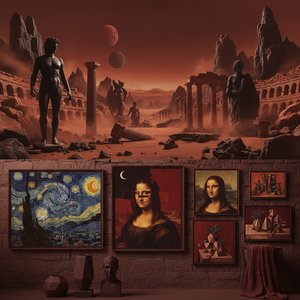
Ανακαλύψτε τις 10 πιο διάσημες ζωγραφιές με κυρίαρχο το μαύρο του Άρη! Ιστορίες καλλιτεχνών, τεχνικές & η διαχρονική αξία των έργων τους. Βρείτε αναπαραγωγές υψηλής ποιότητας για την τέχνη τοίχου σας στο Most-Famous-Paintings.gr.

Explore the rich history & artistic power of black and white photography. From early techniques to iconic masters like Ansel Adams, discover why monochrome continues to captivate art lovers today. Expert insights for collectors.

Explore the captivating world of monochrome art! Discover its rich history, influential artists like Malevich & Klein, and profound emotional impact. Expert insights for collectors & design enthusiasts.


Μείνετε ενημερωμένοι για τις τελευταίες ειδήσεις σχετικά με την τέχνη, αποκλειστικές προσφορές και ιδέες διακόσμησης.
Πείτε μας περισσότερα για το έργο σας και οι ειδικοί μας στην τέχνη θα σας προσφέρουν 3 εξατομικευμένες προτάσεις έργων τέχνης.
Αφήστε μας να επιμεληθούμε 3 επιλογές αποκλειστικά για εσάς – Δωρεάν!


 Προεπισκόπηση
 Αποστολή
 Κοινοποίηση
 Λεπτομέρειες

 Λήψη
Λήψη
 Παρόμοια έργα
 Ακτινογραφία
 Παρουσίαση
 Περισσότερα λεπτομέρεια







 Η επιλογή με γυαλί είναι διαθέσιμη μόνο για μεγέθη κάτω από 110 εκ.