


x

 Acrylic On CanvasWallArtNaive Art / Primitivism
 1906
1906 21.0 x 13.0 cm
Εκτύπωση giclée ή σε καμβά ποιότητας μουσείου με γρήγορη παραγωγή και ευέλικτες επιλογές φινιρίσματος. ( Αγορά χειροποίητου πίνακα Αγορά ψηφιακής εικόνας)





























Επιλέξτε από τις προκαθορισμένες διαστάσεις μας που διατηρούν τις αρχικές αναλογίες του έργου τέχνης.

Μπορείτε να εισαγάγετε δικές σας διαστάσεις ώστε να ταιριάξουν με ένα συγκεκριμένο πλαίσιο ή χώρο. Εάν το επιλεγμένο μέγεθος δεν συμπίπτει με τις αναλογίες της πρωτότυπης εικόνας, θα κόψουμε το έργο τέχνης ή θα επεκτείνουμε την εικόνα με καθρεφτισμένη ή μονόχρωμη ατέλεια. Θα σας αποσταλεί ένα ψηφιακό mockup για έγκρισή σας πριν από την έναρξη της παραγωγής.
Παρακαλούμε σημειώστε ότι η προεπισκόπηση στην οθόνη δεν αντικατοπτρίζει την πραγματική κοπή ή επέκταση. Μόνο το mockup θα δείξει με ακρίβεια την τελική σύνθεση.
Παρόλο που είναι διαθέσιμες προσαρμοσμένες διαστάσεις, προτείνουμε την επιλογή μιας διάστασης από τη προκαθορισμένη λίστα για τη διατήρηση των αρχικών αναλογιών.
Παγκόσμια Αποστολή () σε 2 εβδομάδες αντί για τις συνήθεις 4/5 εβδομάδες. (22 Αύγουστος)


El Tinen
Διαστάσεις Αναπαραγωγής
Pablo Picasso's "El Tinen," painted in 1906, isn’t merely a portrait; it’s a visceral glimpse into the nascent stages of his revolutionary exploration of Naive Art – or Primitivism. This gouache on paper work, measuring a modest 21 x 13 cm, pulsates with an arresting simplicity that belies its profound significance within Picasso's artistic journey. The subject is a man of robust features, a figure rendered with a directness and immediacy rarely seen in the art of his time. He wears a hat, a gesture both familiar and slightly unsettling, and stands before what appears to be a wall or building – a backdrop that anchors him firmly within a world stripped bare of academic convention.
The painting’s power resides in its deliberate rejection of refinement. Picasso consciously abandoned the meticulous detail and illusionistic depth favored by traditional European art. Instead, he embraced bold colors—a vibrant palette dominated by earthy tones punctuated by flashes of red and blue—and simplified forms to their essential elements. The large nose and open mouth, suggesting a shout or perhaps a primal expression of frustration, are not rendered with anatomical precision but rather as immediate, emotionally charged indicators. This approach aligns perfectly with the principles of Naive Art, where the artist’s personal vision and emotional response take precedence over technical skill.
Picasso's foray into Primitivism wasn’t born in a vacuum. His interest in African art, particularly masks and sculptures, played a crucial role in shaping his aesthetic sensibilities during this period. These works, characterized by their powerful symbolism and unadorned forms, provided a potent counterpoint to the prevailing artistic norms of Europe. Simultaneously, Picasso was deeply influenced by Henri Rousseau, a French painter who himself practiced Naive Art. Rousseau’s dreamlike landscapes and figures, often imbued with exotic imagery and a childlike quality, served as a model for Picasso's own experimentation. “El Tinen” can be seen as a synthesis of these influences—a deliberate attempt to capture the essence of human experience through a simplified, emotionally direct style.
The painting’s composition feels almost deliberately unbalanced, mirroring the raw energy and untamed spirit that characterized Picasso's exploration of this new artistic language. It’s a departure from the carefully constructed narratives of academic art, opting instead for a more immediate and intuitive connection with the viewer. The lack of detail forces us to engage directly with the figure’s expression, inviting speculation about his identity and motivations.
While “El Tinen” resists precise interpretation, its symbolic elements offer intriguing clues into Picasso's intentions. The man’s open mouth could represent anger, protest, or perhaps even a primal scream—a release of pent-up emotion. The hat, a common symbol of authority and social status, is rendered simply, almost anonymously, suggesting that the individual depicted transcends any specific identity. The background, a basic wall, further emphasizes this sense of detachment, isolating the figure within his own internal world.
Beyond its symbolic layers, “El Tinen” possesses a remarkable emotional resonance. The painting evokes a feeling of vulnerability and intensity—a raw depiction of human experience stripped bare of artifice. It’s a testament to Picasso's ability to capture the essence of a subject through simplification and directness, creating an image that lingers in the memory long after it has been viewed.
Most-Famous-Paintings offers meticulously crafted hand-painted reproductions of “El Tinen,” allowing art lovers to experience Picasso’s revolutionary style firsthand. Our skilled artisans faithfully recreate the painting's vibrant colors, bold brushstrokes, and expressive forms, ensuring that every detail is captured with exceptional accuracy. This reproduction provides a stunning addition to any collection or interior space, bringing a touch of modern art history into your home.
Whether you’re an avid collector, an admirer of Picasso's work, or simply seeking a unique piece of art décor, our “El Tinen” reproduction is a compelling choice. It’s more than just a print; it’s a window into the mind of one of the 20th century’s most influential artists – a testament to the power of simplicity and emotional expression.


1881 - 1973 , Ισπανία
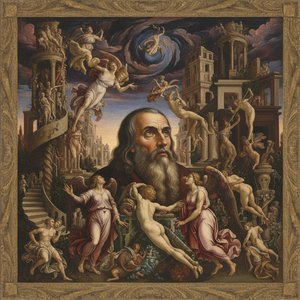
Explore the dramatic transition from High Renaissance harmony to Mannerist tension. Discover how masters like El Greco redefined art through distortion and spiritual intensity. An expert guide for art enthusiasts seeking deep historical context and museum-quality inspiration.

Explore the revolutionary world of Cubism. Discover how masters Pablo Picasso and Georges Braque dismantled reality through geometric abstraction to redefine modern art history.


Μείνετε ενημερωμένοι για τις τελευταίες ειδήσεις σχετικά με την τέχνη, αποκλειστικές προσφορές και ιδέες διακόσμησης.
Πείτε μας περισσότερα για το έργο σας και οι ειδικοί μας στην τέχνη θα σας προσφέρουν 3 εξατομικευμένες προτάσεις έργων τέχνης.
Αφήστε μας να επιμεληθούμε 3 επιλογές αποκλειστικά για εσάς – Δωρεάν!


 Δείτε σε πραγματικό χώρο
 Αποστολή
 Κοινοποίηση
 Λεπτομέρειες

 Λήψη
Λήψη
 Παρόμοια αντικείμενα συλλογής
 Ακτινογραφία
 Παρουσίαση
 Διαβάστε περισσότερα







 Η επιλογή με γυαλί είναι διαθέσιμη μόνο για μεγέθη κάτω από 110 εκ.


