x


 Preview
 Αγοράστε την αναπαραγωγή Αγορά ψηφιακής εικόνας
 Αποστολή
 Λεπτομέρειες
 Προσθήκη στα αγαπημένα
 Λήψη
Λήψη
 Παρόμοια έργα
 Ακτινογραφία
 Παρουσίαση
 Oil On CanvasWallArtSurrealism
 1937Modern
 46.0 x 55.0 cm
Εκτύπωση giclée ή σε καμβά ποιότητας μουσείου με γρήγορη παραγωγή και ευέλικτες επιλογές φινιρίσματος.





























Επιλέξτε από τις προκαθορισμένες διαστάσεις μας που διατηρούν τις αρχικές αναλογίες του έργου τέχνης.

Μπορείτε να εισαγάγετε δικές σας διαστάσεις ώστε να ταιριάξουν με ένα συγκεκριμένο πλαίσιο ή χώρο. Εάν το επιλεγμένο μέγεθος δεν συμπίπτει με τις αναλογίες της πρωτότυπης εικόνας, θα κόψουμε το έργο τέχνης ή θα επεκτείνουμε την εικόνα με καθρεφτισμένη ή μονόχρωμη ατέλεια. Θα σας αποσταλεί ένα ψηφιακό mockup για έγκρισή σας πριν από την έναρξη της παραγωγής.
Παρακαλούμε σημειώστε ότι η προεπισκόπηση στην οθόνη δεν αντικατοπτρίζει την πραγματική κοπή ή επέκταση. Μόνο το mockup θα δείξει με ακρίβεια την τελική σύνθεση.
Παρόλο που είναι διαθέσιμες προσαρμοσμένες διαστάσεις, προτείνουμε την επιλογή μιας διάστασης από τη προκαθορισμένη λίστα για τη διατήρηση των αρχικών αναλογιών.
Παγκόσμια Αποστολή () σε 2 εβδομάδες αντί για τις συνήθεις 4/5 εβδομάδες. (27 Ιούλιος)


Minotaur is wounded
Διαστάσεις Αναπαραγωγής
Pablo Picasso's "Minotaur is Wounded," painted in 1937, stands as a cornerstone of Surrealist art—a testament to the movement’s audacious ambition to fuse the subconscious with reality. More than just an image, it’s a carefully constructed narrative that wrestles with themes of power, pain, and the inescapable fragility inherent within strength. Executed in oil on canvas measuring 46 x 55 cm, this artwork immediately captivates viewers with its unsettling juxtaposition of figures and landscapes—a hallmark of Picasso's distinctive vision.
Born in Málaga, Spain, Pablo Ruiz y Picasso (1881-1973) emerged as a revolutionary force in the art world. Influenced by Nietzsche’s philosophy and captivated by Freud's psychoanalytic theories, Surrealism sought to liberate artistic expression from rational constraints. Artists like Picasso deliberately disrupted conventional perspectives, inviting audiences into realms of dreamlike imagery and irrational association—a deliberate challenge to accepted notions of truth.
The painting depicts a woman seated in a boat alongside two other women, creating an atmosphere of palpable tension. The central figure is nude, embodying vulnerability against the backdrop of turbulent waters and scattered boats—a deliberate echo of classical mythology. A third woman appears partially obscured, adding to the enigmatic quality of the scene. Picasso’s masterful use of Cubist techniques—fragmentation, multiple viewpoints—further enhances this sense of disorientation, mirroring the fractured psyche explored by Surrealists.
Picasso's fascination with Greek mythology is evident throughout his oeuvre, and “Minotaur is Wounded” centers on this iconic beast. Traditionally representing primal aggression and inescapable doom, the Minotaur embodies both destructive force and profound vulnerability—a duality that Picasso skillfully portrays. By depicting it as wounded, he subtly interrogates the notion of invincibility, suggesting that even the most formidable figures are susceptible to suffering.
"Minotaur is Wounded" transcends mere visual depiction; it’s an emotional journey into the subconscious. Picasso's expressive brushstrokes convey a palpable sense of unease and sorrow, mirroring the anxieties of his time—a period marked by political turmoil and impending war. The painting compels viewers to confront uncomfortable truths about human nature and the inescapable presence of pain—leaving an indelible impression on anyone who contemplates its unsettling beauty.


1881 - 1973 , Ισπανία

Ανακαλύψτε τα 25 πιο εμβληματικά έργα τέχνης του Pablo Picasso! Μπλε περίοδος, κυβισμός & Guernica: ιστορίες, τεχνικές και η διαχρονική αξία τους. Βρείτε αναπαραγωγές υψηλής ποιότητας για να εμπνεύσετε τον χώρο σας στο Most-Famous-Paintings.com.
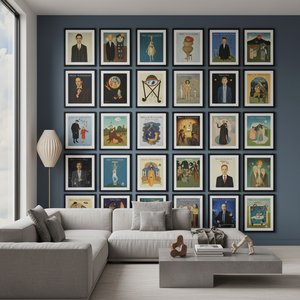
Ανακαλύψτε τα 25 πιο εμβληματικά έργα του Ρενέ Μαγκρίτ! Εξερευνήστε τον σουρεαλισμό, την τεχνική & το συμβολισμό των διάσημων πινάκων του. Βρείτε αναπαραγωγές υψηλής ποιότητας για διακόσμηση σπιτιού στην Most-Famous-Paintings.com.

Ανακαλύψτε τους 25 θησαυρούς του Metropolitan Museum of Art! Ιμπρεσιονισμός, Βαν Γκογκ, Μονέ & άλλα αριστουργήματα. Έμπνευση για διακόσμηση σπιτιού με πίνακες υψηλής ποιότητας. Εξερευνήστε την πλήρη συλλογή στο Most-Famous-Paintings.com
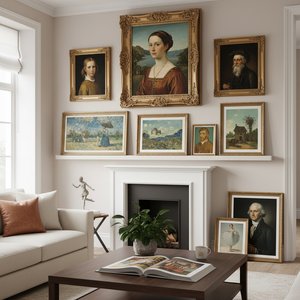
Ανακαλύψτε τους 25 θησαυρούς της Εθνικής Πινακοθήκης Τέχνης! Ιμπρεσιονισμός, μοντερνισμός & πίνακες Cézanne, Matisse, Picasso. Βρείτε έμπνευση για το σπίτι σας και υψηλής ποιότητας αναπαραγωγές στην Most-Famous-Paintings.com.

Ανακαλύψτε τους 25 κορυφαίους πίνακες του MoMA! Βαν Γκογκ, Πικάσο, Warhol και άλλοι μεγάλοι ζωγράφοι. Ιμπρεσιονισμός, κυβισμός & εκφρασισμός. Βρείτε την τέχνη που εμπνέει το σπίτι σας στην Most-Famous-Paintings.gr.


Μείνετε ενημερωμένοι για τις τελευταίες ειδήσεις σχετικά με την τέχνη, αποκλειστικές προσφορές και ιδέες διακόσμησης.
Πείτε μας περισσότερα για το έργο σας και οι ειδικοί μας στην τέχνη θα σας προσφέρουν 3 εξατομικευμένες προτάσεις έργων τέχνης.
Αφήστε μας να επιμεληθούμε 3 επιλογές αποκλειστικά για εσάς – Δωρεάν!


 Κοινοποίηση

 Περισσότερα λεπτομέρεια







 Η επιλογή με γυαλί είναι διαθέσιμη μόνο για μεγέθη κάτω από 110 εκ.