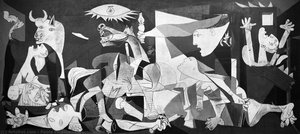
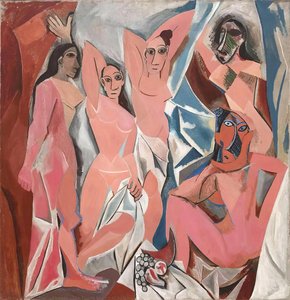
x

 Άνθρακα και λάδι σε καμβάΕκθέσιμα Έργα ΤέχνηςExpressionism
 1901Μοντέρνα εποχή
 73.0 x 60.0 cm
Εκτύπωση giclée ή σε καμβά ποιότητας μουσείου με γρήγορη παραγωγή και ευέλικτες επιλογές φινιρίσματος. ( Αγορά χειροποίητου πίνακα Αγορά ψηφιακής εικόνας)





























Επιλέξτε από τις προκαθορισμένες διαστάσεις μας που διατηρούν τις αρχικές αναλογίες του έργου τέχνης.

Μπορείτε να εισαγάγετε δικές σας διαστάσεις ώστε να ταιριάξουν με ένα συγκεκριμένο πλαίσιο ή χώρο. Εάν το επιλεγμένο μέγεθος δεν συμπίπτει με τις αναλογίες της πρωτότυπης εικόνας, θα κόψουμε το έργο τέχνης ή θα επεκτείνουμε την εικόνα με καθρεφτισμένη ή μονόχρωμη ατέλεια. Θα σας αποσταλεί ένα ψηφιακό mockup για έγκρισή σας πριν από την έναρξη της παραγωγής.
Παρακαλούμε σημειώστε ότι η προεπισκόπηση στην οθόνη δεν αντικατοπτρίζει την πραγματική κοπή ή επέκταση. Μόνο το mockup θα δείξει με ακρίβεια την τελική σύνθεση.
Παρόλο που είναι διαθέσιμες προσαρμοσμένες διαστάσεις, προτείνουμε την επιλογή μιας διάστασης από τη προκαθορισμένη λίστα για τη διατήρηση των αρχικών αναλογιών.
Παγκόσμια Αποστολή () σε 2 εβδομάδες αντί για τις συνήθεις 4/5 εβδομάδες. (18 Αύγουστος)


Self-Portrait
Διαστάσεις Αναπαραγωγής
Pablo Picasso, a name synonymous with revolutionary art and boundless creativity, began his illustrious career with a series of intensely personal works—among them, the captivating “Self-Portrait” painted in 1901. This relatively unassuming canvas, measuring just 73 x 60 cm, is far more than a simple likeness; it’s a crucial document in understanding the nascent stages of Picasso's artistic evolution and his burgeoning exploration into the realm of Expressionism. Created during a pivotal period in his life—a young man newly arrived in Paris, immersed in the city’s vibrant art scene—the portrait offers a poignant glimpse into the mind of an artist grappling with identity, emotion, and the challenges of forging a new path.
Painted in oil on canvas during Picasso's Blue Period, the work immediately establishes a mood of quiet introspection. The palette is dominated by cool blues and purples—colors often associated with melancholy, loneliness, and social hardship. This wasn’t merely an aesthetic choice; it reflected the atmosphere of Paris at the time – a city teeming with artists but also rife with poverty and disillusionment. The somber tones are juxtaposed against the vibrant red of his shirt and white collar, creating a subtle tension that mirrors the complexities within the artist himself.
Examining the details reveals a masterful use of technique. Picasso’s brushstrokes are deliberate and controlled, yet imbued with an underlying sense of urgency. The facial expression is particularly arresting—a thoughtful gaze directed outwards, suggesting both vulnerability and resolve. The slightly furrowed brow and subtle downturn of the mouth convey a contemplative mood, as if the artist is lost in his own thoughts. Notice how he’s holding a book – a symbol of knowledge and intellectual pursuit, perhaps reflecting Picasso's own relentless quest for artistic understanding.
Beyond the immediate subject, the composition subtly expands the narrative. The presence of a chair in the background, another figure glimpsed on the right side of the image, and an additional book near the center create a sense of depth and complexity. These seemingly minor details contribute to a feeling that this is not simply a portrait but a snapshot of a life—a life filled with artistic ambition, personal struggles, and a deep engagement with the world around him. The painting’s dimensions also play a role; its relatively small size draws the viewer in, fostering an intimate connection with the artist's inner world.
Picasso’s “Self-Portrait” is a pivotal work that foreshadows his later explorations into Cubism. However, it firmly establishes him as a key figure in the burgeoning movement of Expressionism—a style characterized by its emphasis on subjective emotional experience over objective representation. The painting's raw emotion and distorted forms are reminiscent of German Expressionist artists like Edvard Munch and Ernst Ludwig Kirchner, while also hinting at the avant-garde schools gaining traction in Europe at the time – Futurism, Bauhaus, and Synthetic Cubism. The influence of Goya is particularly evident in the intensity of the gaze and the overall mood of the piece.
Interestingly, Picasso’s exploration of self-portraiture during this period was deeply intertwined with his personal struggles. The Blue Period, marked by themes of poverty and isolation, mirrored the hardships he faced as a young artist navigating the challenges of Parisian life. The painting serves as a powerful testament to his resilience and determination—a visual declaration that even in the face of adversity, the creative spirit endures.
At Most-Famous-Paintings.com, we are dedicated to preserving and celebrating the legacy of artistic masters like Pablo Picasso. Our meticulously crafted oil painting reproductions capture every nuance of detail and emotion in “Self-Portrait” (1901), allowing you to experience this iconic work firsthand. Each reproduction is created by hand using archival-quality materials, ensuring its longevity and authenticity. Whether you’re an art enthusiast, a collector seeking to expand your collection, or simply someone looking for a stunning piece of décor, our “Self-Portrait” offers a unique opportunity to own a tangible connection to one of the 20th century's most influential artists.


1881 - 1973 , Ισπανία
Ανακαλύψτε τα 25 πιο εμβληματικά έργα τέχνης του Pablo Picasso! Μπλε περίοδος, κυβισμός & Guernica: ιστορίες, τεχνικές και η διαχρονική αξία τους. Βρείτε αναπαραγωγές υψηλής ποιότητας για να εμπνεύσετε τον χώρο σας στο Most-Famous-Paintings.com.

Ανακαλύψτε τους 10 πιο διάσημους πίνακες με κυρίαρχο το χρώμα του σλατι! Ιμπρεσιονισμός, Van Gogh, Monet & άλλοι μεγάλοι ζωγράφοι. Βρείτε αναπαραγωγές έργων τέχνης υψηλής ποιότητας για την διακόσμηση του χώρου σας στην Most-Famous-Paintings.com.

Explore the rich history of blue in art! Discover its symbolism, from ancient pigments to modern masterpieces by Kandinsky & Seurat. Uncover the psychological impact and cultural meanings behind this captivating hue.

Explore the rich history & techniques of oil painting – from Renaissance masters to Impressionism. Discover pigments, layering methods, and why this timeless medium endures. Expert insights for artists & art enthusiasts.
Ανακαλύψτε τα 10 αριστουργήματα που καθόρισαν τον Κυβισμό! Πικάσο, Μπρακ & Γκριζ: ιστορίες, τεχνικές και η επανάσταση στην τέχνη. Βρείτε αναπαραγωγές υψηλής ποιότητας για να εμπλουτίσετε το χώρο σας στο Most-Famous-Paintings.gr


Μείνετε ενημερωμένοι για τις τελευταίες ειδήσεις σχετικά με την τέχνη, αποκλειστικές προσφορές και ιδέες διακόσμησης.
Πείτε μας περισσότερα για το έργο σας και οι ειδικοί μας στην τέχνη θα σας προσφέρουν 3 εξατομικευμένες προτάσεις έργων τέχνης.
Αφήστε μας να επιμεληθούμε 3 επιλογές αποκλειστικά για εσάς – Δωρεάν!


 Δείτε σε πραγματικό χώρο
 Αποστολή
 Κοινοποίηση
 Λεπτομέρειες

 Λήψη
Λήψη
 Παρόμοια αντικείμενα συλλογής
 Ακτινογραφία
 Παρουσίαση
 Διαβάστε περισσότερα







 Η επιλογή με γυαλί είναι διαθέσιμη μόνο για μεγέθη κάτω από 110 εκ.