x

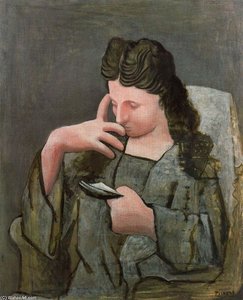
 Acrylic On CanvasWallArtCubist Style
 1919Modern
 28.0 x 26.0 cm
Αγοράστε μια ψηφιακή εικόνα υψηλής ανάλυσης και βελτιωμένης ποιότητας, πολύ ανώτερης από την προεπισκόπηση στο διαδίκτυο.
Κάθε αρχείο προετοιμάζεται σχολαστικά από τους εξειδικευμένους συνεργάτες μας, με τη χρήση προηγμένων εργαλείων και χειροκίνητου ρετουσαρίσματος υψηλής ακρίβειας. Εξασφαλίζουμε ότι κάθε εικόνα προσφέρει εξαιρετική ευκρίνεια, απόλυτη πιστότητα στο χρώμα και λεπτομερή ανάδραση των λεπτομερειών.
Το τελικό αρχείο παραδίδεται μέσω email εντός 72 ωρών, βελτιστοποιημένο για άμεση χρήση σε επαγγελματικά, εκδοτικά και έντυπα περιβάλλοντα. Πρόκειται για την ίδια ποιότητα που εμπιστεύονται κορυφαία studios σχεδιασμού, εκδότες και γκαλερί.
Κατεβάστε ένα αρχείο υψηλής ανάλυσης για προσωπική χρήση, εκτύπωση και δημιουργικά έργα. ( Αγορά εκτύπωσης Αγορά χειροποίητου πίνακα)
Όταν επιλέγετε το Most-Famous-Paintings.com, δεν αποκτάτε απλώς μια εικόνα – λαμβάνετε ένα επαγγελματικά αναβαθμισμένο ψηφιακό έργο τέχνης, δημιουργημένο με ακρίβεια και με εγγύηση ικανοποίησης. Δείτε όλα όσα περιλαμβάνονται στην παραγγελία σας, αυτόματα:

Το ψηφιακό σας αρχείο εικόνας υψηλής ανάλυσης θα σας σταλεί μέσω email εντός 72 ωρών από την παραγγελία σας — έτοιμο για άμεση χρήση.

Το έργο σας βελτιστοποιείται επαγγελματικά με τη χρήση προηγμένων εργαλείων Τεχνητής Νοημοσύνης και χειροκίνητης επεξεργασίας, εξασφαλίζοντας μέγιστη λεπτομέρεια, ευκρίνεια και ακρίβεια χρωμάτων.

Απώλησες ή διαγράψατε κατά λάθος το αρχείο σας; Μην ανησυχείτε — θα σας το ξαναστείλομε οποιαδήποτε στιγμή, δωρεάν.

Απολαύστε αμέσως τα έργα τέχνης σας χωρίς δασμούς, φόρους ή έξοδα αποστολής - οι ψηφιακές λήψεις είναι πάντα αφορεশিপτεία.

Εξασφαλίζουμε ότι η ψηφιακή σας εικόνα αποτυπώνει τα αυθεντικά χρώματα όσο το δυνατόν πιστότερα, χρησιμοποιώντας επαγγελματικά εργαλεία και διαχείριση χρωμάτων.

Εάν δεν είστε ικανοποιημένοι με την ψηφιακή σας εικόνα, θα την αναθεωρήσουμε ή θα σας επιστρέψουμε το 100% της αξίας της εντός 60 ημερών - χωρίς κανένα ερώτημα.

Δεν είστε ικανοποιημένοι; Λάβετε πλήρη επιστροφή των χρημάτων σας εντός 60 ημερολογιακών ημερών από τη λήψη του ψηφιακού σας αρχείου — χωρίς κανένα ερώτημα.

Αγοράστε 3 εικόνες, κάντε εξοικονόμηση 10% - Αγοράστε 5, κάντε εξοικονόμηση 15% - Αγοράστε 10+, κάντε εξοικονόμηση 20%. Ιδανικό για δημιουργικά έργα, γκαλερί και agencies.
Pablo Picasso's "Tricorne (study)," created in 1919, offers an intimate look into the creative process of a master. This delicate pencil drawing, measuring just 28 x 26 cm, isn’t a finished work intended for grand display; rather, it is a preparatory sketch brimming with energy and anticipation. It serves as a vital stepping stone towards Picasso's larger involvement in the world of ballet, specifically his designs for Sergei Diaghilev’s Ballets Russes production of Manuel de Falla’s “El sombrero de tres picos” – or "The Three-Cornered Hat." The drawing reveals Picasso grappling with composition and character, distilling a vibrant theatrical vision onto paper with remarkable economy.
To understand the significance of this study, one must consider its context. Following World War I, Picasso found himself increasingly drawn to stage design, collaborating with Diaghilev, a visionary impresario known for pushing artistic boundaries. The Ballets Russes were renowned for their innovative choreography and lavish productions, and Picasso’s involvement brought a revolutionary aesthetic to the company. “Tricorne” wasn't simply about illustrating a story; it was an opportunity to reimagine Spanish culture through a Cubist lens. The sketch depicts figures – both human and equine – clustered around what appears to be a central platform or table within an architectural space defined by arches. The composition, while employing perspective, isn’t rigidly adhered to, creating a slightly flattened effect that hints at the stylized world Picasso was building for the ballet. This deliberate distortion is characteristic of his evolving style, moving beyond strict Cubist fragmentation towards a more fluid and expressive form.
The power of “Tricorne (study)” lies not in color, but in its masterful use of line and tone. Executed entirely in black and white, Picasso relies on variations in line weight – from bold outlines to delicate shading – to define form and create a sense of depth. The technique is reminiscent of his earlier sketches, yet infused with the burgeoning stylistic innovations that would come to define his mature work. The absence of color forces the viewer to focus on the essential elements: gesture, composition, and the interplay of light and shadow implied through dense line work. This study isn’t about replicating reality; it's about capturing an *impression* – a fleeting moment of energy and drama poised to burst forth onto the stage. The simplified forms and expressive lines speak volumes, conveying a sense of movement and anticipation that transcends the limitations of monochrome.
While abstract in its execution, “Tricorne (study)” is deeply rooted in Spanish culture. The ballet itself draws inspiration from a 17th-century Spanish novel, and Picasso’s designs aimed to evoke the spirit of Andalusia – its vibrant traditions, passionate characters, and sun-drenched landscapes. The presence of horses within the sketch alludes to the importance of equestrianism in Spanish life and folklore. The figures gathered around the central platform suggest a social gathering, perhaps a celebration or a dramatic confrontation. Though the narrative remains ambiguous, the drawing hints at themes of love, rivalry, and the complexities of human relationships. This study is more than just a technical exercise; it’s an exploration of national identity and artistic expression, filtered through the unique vision of one of the 20th century's most influential artists.


1881 - 1973 , Ισπανία


Μείνετε ενημερωμένοι για τις τελευταίες ειδήσεις σχετικά με την τέχνη, αποκλειστικές προσφορές και ιδέες διακόσμησης.
Πείτε μας περισσότερα για το έργο σας και οι ειδικοί μας στην τέχνη θα σας προσφέρουν 3 εξατομικευμένες προτάσεις έργων τέχνης.
Αφήστε μας να επιμεληθούμε 3 επιλογές αποκλειστικά για εσάς – Δωρεάν!


 Δείτε σε πραγματικό χώρο
 Αποστολή
 Κοινοποίηση
 Λεπτομέρειες

 Λήψη
Λήψη
 Παρόμοια αντικείμενα συλλογής
 Ακτινογραφία
 Παρουσίαση
 Διαβάστε περισσότερα