x


 Αγοράστε την αναπαραγωγή Αγορά ψηφιακής εικόνας
 Αποστολή
 Λεπτομέρειες
 Προσθήκη στα αγαπημένα
 Λήψη
Λήψη
 Παρόμοια έργα
 Ακτινογραφία
 Παρουσίαση
 WatercolorWallArtPost-Impressionism
 188219th Century
 38.0 x 20.0 cm
Εκτύπωση giclée ή σε καμβά ποιότητας μουσείου με γρήγορη παραγωγή και ευέλικτες επιλογές φινιρίσματος.





























Επιλέξτε από τις προκαθορισμένες διαστάσεις μας που διατηρούν τις αρχικές αναλογίες του έργου τέχνης.

Μπορείτε να εισαγάγετε δικές σας διαστάσεις ώστε να ταιριάξουν με ένα συγκεκριμένο πλαίσιο ή χώρο. Εάν το επιλεγμένο μέγεθος δεν συμπίπτει με τις αναλογίες της πρωτότυπης εικόνας, θα κόψουμε το έργο τέχνης ή θα επεκτείνουμε την εικόνα με καθρεφτισμένη ή μονόχρωμη ατέλεια. Θα σας αποσταλεί ένα ψηφιακό mockup για έγκρισή σας πριν από την έναρξη της παραγωγής.
Παρακαλούμε σημειώστε ότι η προεπισκόπηση στην οθόνη δεν αντικατοπτρίζει την πραγματική κοπή ή επέκταση. Μόνο το mockup θα δείξει με ακρίβεια την τελική σύνθεση.
Παρόλο που είναι διαθέσιμες προσαρμοσμένες διαστάσεις, προτείνουμε την επιλογή μιας διάστασης από τη προκαθορισμένη λίστα για τη διατήρηση των αρχικών αναλογιών.
Παγκόσμια Αποστολή () σε 2 εβδομάδες αντί για τις συνήθεις 4/5 εβδομάδες. (21 Ιούλιος)


Medea
Διαστάσεις Αναπαραγωγής
Paul Cézanne's Medea, created in 1882, stands as a poignant example of his evolving Post-Impressionist style. This watercolor painting, measuring 38 x 20 cm, transcends a simple depiction; it’s an exploration of human emotion rendered through innovative formal techniques.
Medea emerged during a pivotal period in art history. Post-Impressionism arose as a reaction against the fleeting, light-focused depictions of Impressionism. Cézanne, alongside artists like Vincent van Gogh and Paul Gauguin, sought to imbue their works with deeper emotional resonance and structural solidity. While Impressionists aimed to capture momentary visual impressions, Post-Impressionists delved into subjective experiences and explored formal elements—color, line, and composition—to convey meaning. This movement, predominantly French, spanned roughly from 1886 to 1905, laying the groundwork for subsequent modern art movements like Cubism.
The painting portrays a nude female figure seated on what appears to be a rocky outcrop. She cradles a child in her arms, creating an immediate sense of intimacy and maternal tenderness. Two indistinct figures are visible in the background, adding depth and suggesting a narrative beyond the central subject. Cézanne’s use of watercolor is particularly striking; the fluid medium allows for layered washes of color that create a sense of atmosphere and vulnerability. The lines are not precise but rather expressive, conveying movement and emotion over strict realism. Notice how Cézanne uses tonal variations within the foliage in the background to suggest depth, despite the somewhat flattened perspective characteristic of his style. This technique prioritizes feeling and visual impact over photographic accuracy.
The title Medea alludes to the tragic figure from Greek mythology—a powerful sorceress known for her passionate nature and devastating actions. While Cézanne’s painting doesn't explicitly depict a scene from the myth, it evokes its underlying themes of strength, resilience, and perhaps even despair. The nude figure can be interpreted as representing fertility, a connection to nature, or the raw vulnerability of human emotion. The overall composition suggests a moment of quiet contemplation amidst potential turmoil—a powerful portrayal of maternal instinct and inner fortitude.
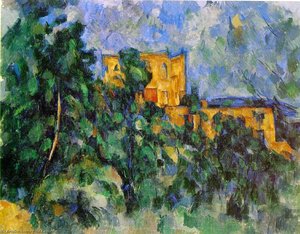
Cézanne drew inspiration from various artistic sources, including Pierre-Auguste Renoir, whose works often explored themes of love and family. However, Cézanne’s approach diverged significantly; he sought to move beyond the purely aesthetic concerns of Impressionism towards a more structured and emotionally charged representation of reality. Consider Well by the Winding Road in the Park of Chateau Noir, another notable work by Cézanne, which demonstrates his ability to capture landscapes with a sense of tranquility while employing his signature geometric approach. His later explorations into form would profoundly influence artists like Pablo Picasso and Georges Braque, solidifying his place as a pivotal figure in the transition from 19th-century art to modernism.


1839 - 1906 , Γαλλία
Ανακαλύψτε τα 25 κορυφαία έργα τέχνης του Paul Cézanne! Ιμπρεσιονισμός, μετα-ιμπρεσιονισμός & η τεχνοτροπία του. Βρείτε πίνακες για διακόσμηση και συλλογή υψηλής ποιότητας στο Most-Famous-Paintings.com.

Ανακαλύψτε τα 25 κορυφαία έργα τέχνης του Paul Klee! Εξερευνήστε την αφηρημένη μαγεία, τον σουρεαλισμό και τα εμβληματικά χρώματα του. Βρείτε πίνακες Klee υψηλής ποιότητας για να εμπνεύσετε τη διακόσμηση σας. Ανακαλύψτε όλα τα αριστουργήματα στο Most-Famous-Paintings.com

Ανακαλύψτε τα 10 κορυφαία έργα ιμπρεσιονισμού! Μονέ, Ρενουάρ & άλλοι ζωγράφοι αποτυπωμένοι σε πίνακες που εμπνέουν. Βρείτε αναπαραγωγές υψηλής ποιότητας για να διακοσμήσετε τον χώρο σας. Εξερευνήστε την πλήρη συλλογή στο Most-Famous-Paintings.gr

Ανακαλύψτε τα 10 αριστουργήματα υδατοχρωμάτων που επαναπροσδιόρισαν την τέχνη! Ιστορίες από Turner, Monet και Cézanne. Βρείτε αναπαραγωγές υψηλής ποιότητας & έμπνευση διακόσμησης στο Most-Famous-Paintings.com.

Ανακαλύψτε τα 25 εμβληματικότερα έργα του Κλόντ Μονέ! Ιμπρεσιονισμός, πίνακες με νεφέλες & νούφαρα. Αγοράστε αναπαραγωγές υψηλής ποιότητας για να εμπλουτίσετε τη διακόσμηση του σπιτιού σας. Εξερευνήστε την πλήρη συλλογή στο Most-Famous-Paintings.com.


Μείνετε ενημερωμένοι για τις τελευταίες ειδήσεις σχετικά με την τέχνη, αποκλειστικές προσφορές και ιδέες διακόσμησης.
Πείτε μας περισσότερα για το έργο σας και οι ειδικοί μας στην τέχνη θα σας προσφέρουν 3 εξατομικευμένες προτάσεις έργων τέχνης.
Αφήστε μας να επιμεληθούμε 3 επιλογές αποκλειστικά για εσάς – Δωρεάν!


 Κοινοποίηση

 Περισσότερα λεπτομέρεια







 Η επιλογή με γυαλί είναι διαθέσιμη μόνο για μεγέθη κάτω από 110 εκ.