x

Εκτύπωση giclée ή σε καμβά ποιότητας μουσείου με γρήγορη παραγωγή και ευέλικτες επιλογές φινιρίσματος. ( Αγορά χειροποίητου πίνακα Αγορά ψηφιακής εικόνας)





























Επιλέξτε από τις προκαθορισμένες διαστάσεις μας που διατηρούν τις αρχικές αναλογίες του έργου τέχνης.

Μπορείτε να εισαγάγετε δικές σας διαστάσεις ώστε να ταιριάξουν με ένα συγκεκριμένο πλαίσιο ή χώρο. Εάν το επιλεγμένο μέγεθος δεν συμπίπτει με τις αναλογίες της πρωτότυπης εικόνας, θα κόψουμε το έργο τέχνης ή θα επεκτείνουμε την εικόνα με καθρεφτισμένη ή μονόχρωμη ατέλεια. Θα σας αποσταλεί ένα ψηφιακό mockup για έγκρισή σας πριν από την έναρξη της παραγωγής.
Παρακαλούμε σημειώστε ότι η προεπισκόπηση στην οθόνη δεν αντικατοπτρίζει την πραγματική κοπή ή επέκταση. Μόνο το mockup θα δείξει με ακρίβεια την τελική σύνθεση.
Παρόλο που είναι διαθέσιμες προσαρμοσμένες διαστάσεις, προτείνουμε την επιλογή μιας διάστασης από τη προκαθορισμένη λίστα για τη διατήρηση των αρχικών αναλογιών.
Παγκόσμια Αποστολή () σε 2 εβδομάδες αντί για τις συνήθεις 4/5 εβδομάδες. (15 Αύγουστος)


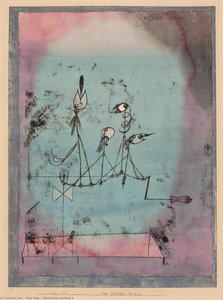
About Chess
Διαστάσεις Αναπαραγωγής
Paul Klee’s “About Chess” is more than just a depiction of a checkered pattern; it's an invitation into the artist’s mind—a vibrant exploration of form, color, and emotion that speaks to the core principles of Expressionism. Created in 1940 during his time in Switzerland amidst the anxieties of World War II, this painting embodies Klee’s unwavering belief in art as a conduit for inner experience.
The style is unmistakably Expressionist, prioritizing subjective feeling over objective representation. Unlike traditional landscapes or portraits, “About Chess” abandons any illusion of reality, opting instead for a deliberately fragmented visual vocabulary. Geometric shapes—squares, triangles, circles—are interwoven with amorphous blobs and dots, creating a dynamic interplay between order and chaos.
Klee’s technique is characterized by meticulous layering of watercolor and gouache pigments on paper. He employs a hatching and crosshatching method to build up tonal values, achieving remarkable depth and texture despite the apparent simplicity of the composition. The artist's hand is visible in every brushstroke, conveying a sense of spontaneity and immediacy that underscores the painting’s expressive power.
Historically, Klee’s work aligns with the broader Expressionist movement—a reaction against rationalism and formalism—which sought to capture the psychological realities of human existence. Influenced by artists like Edvard Munch and Wassily Kandinsky, Klee embraced abstraction as a means of conveying spiritual truths and confronting existential anxieties.
Symbolically, “About Chess” operates on multiple levels. The chessboard itself represents intellectual struggle—the confrontation between opposing forces—while the scattered dots symbolize points of connection and potential insight. The bold colors—red, blue, yellow, black, white—are not merely decorative; they are imbued with emotional significance, reflecting Klee’s fascination with color theory and his desire to evoke visceral responses in the viewer.
Ultimately, “About Chess” resonates deeply with its audience through its profound emotional impact. It captures a state of contemplative awareness—a moment of stillness amidst turbulent circumstances—and invites viewers to contemplate the complexities of human consciousness. The painting’s luminous palette and textured surface convey a sense of warmth and vitality, reminding us that even in times of darkness, beauty can endure.

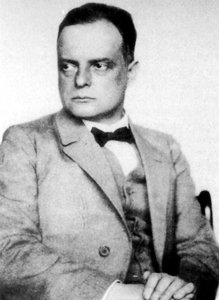
1879 - 1940 , Ελβετία

Discover the profound intersection of geometry and emotion in Cubist Expressionism. Explore art history through our expert analysis of modern masters and find museum-quality, hand-painted oil reproductions of iconic masterpieces for your collection.

Explore the profound impact of Minimalism and Geometric Abstraction. From Mondrian to Malevich, discover how stripping art to its essential forms revolutionized modern aesthetics through our expert-led historical guide.


Μείνετε ενημερωμένοι για τις τελευταίες ειδήσεις σχετικά με την τέχνη, αποκλειστικές προσφορές και ιδέες διακόσμησης.
Πείτε μας περισσότερα για το έργο σας και οι ειδικοί μας στην τέχνη θα σας προσφέρουν 3 εξατομικευμένες προτάσεις έργων τέχνης.
Αφήστε μας να επιμεληθούμε 3 επιλογές αποκλειστικά για εσάς – Δωρεάν!


 Δείτε σε πραγματικό χώρο
 Αποστολή
 Κοινοποίηση
 Λεπτομέρειες

 Λήψη
Λήψη
 Παρόμοια αντικείμενα συλλογής
 Ακτινογραφία
 Παρουσίαση
 Διαβάστε περισσότερα







 Η επιλογή με γυαλί είναι διαθέσιμη μόνο για μεγέθη κάτω από 110 εκ.