
Πουλήστε την τέχνη σας
Λίστα επιθυμιών Καλάθι Αγορών Cart
x
Δείτε σε πραγματικό χώροΔείτε σε πραγματικό χώρο Προεπισκόπηση σε ARΠροεπισκόπηση σε AR Αγορά εκτύπωσης Αγορά εκτύπωσηςΑγορά χειροποίητου πίνακα Αγορά χειροποίητου πίνακα ΑποστολήΑποστολή
ΛεπτομέρειεςΛεπτομέρειες Προσθήκη στα αγαπημένα Προσθήκη στα αγαπημένα ΛήψηΛήψη Παρόμοια αντικείμενα συλλογήςΠαρόμοια αντικείμενα συλλογής ΑκτινογραφίαΑκτινογραφία ΠαρουσίασηΠαρουσίαση

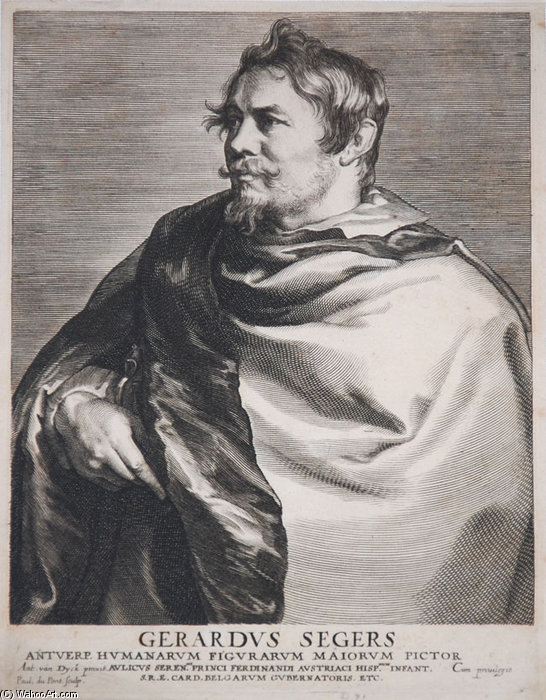
Gerardus Segers

Paulus Pontius (1603-1685): Flemish engraver & painter celebrated for masterful reproductions of Rubens’ works and striking portraits of Spanish Netherlands nobility.

Αγοράστε μια ψηφιακή εικόνα υψηλής ανάλυσης και βελτιωμένης ποιότητας, πολύ ανώτερης από την προεπισκόπηση στο διαδίκτυο.

Κάθε αρχείο προετοιμάζεται σχολαστικά από τους εξειδικευμένους συνεργάτες μας, με τη χρήση προηγμένων εργαλείων και χειροκίνητου ρετουσαρίσματος υψηλής ακρίβειας. Εξασφαλίζουμε ότι κάθε εικόνα προσφέρει εξαιρετική ευκρίνεια, απόλυτη πιστότητα στο χρώμα και λεπτομερή ανάδραση των λεπτομερειών.

Το τελικό αρχείο παραδίδεται μέσω email εντός 72 ωρών, βελτιστοποιημένο για άμεση χρήση σε επαγγελματικά, εκδοτικά και έντυπα περιβάλλοντα. Πρόκειται για την ίδια ποιότητα που εμπιστεύονται κορυφαία studios σχεδιασμού, εκδότες και γκαλερί.

Ψηφιακή εικόνα

Κατεβάστε ένα αρχείο υψηλής ανάλυσης για προσωπική χρήση, εκτύπωση και δημιουργικά έργα. (Αγορά εκτύπωσης Αγορά εκτύπωσηςΑγορά χειροποίητου πίνακα Αγορά χειροποίητου πίνακα)

Συνολικό Κόστος

$ 24,90

Περιλαμβάνεται σε κάθε παραγγελία ψηφιακής εικόνας

Επαγγελματική Ψηφιακή Παράδοση με Εγγύηση

Όταν επιλέγετε το Most-Famous-Paintings.com, δεν αποκτάτε απλώς μια εικόνα – λαμβάνετε ένα επαγγελματικά αναβαθμισμένο ψηφιακό έργο τέχνης, δημιουργημένο με ακρίβεια και με εγγύηση ικανοποίησης. Δείτε όλα όσα περιλαμβάνονται στην παραγγελία σας, αυτόματα:

shipping_icon
Άμεση αποστολή μέσω email

Το ψηφιακό σας αρχείο εικόνας υψηλής ανάλυσης θα σας σταλεί μέσω email εντός 72 ωρών από την παραγγελία σας — έτοιμο για άμεση χρήση.

canvas_icon
Ψηφιακό Αρχείο με Τεχνητή Νοημοσύνη

Το έργο σας βελτιστοποιείται επαγγελματικά με τη χρήση προηγμένων εργαλείων Τεχνητής Νοημοσύνης και χειροκίνητης επεξεργασίας, εξασφαλίζοντας μέγιστη λεπτομέρεια, ευκρίνεια και ακρίβεια χρωμάτων.

insurance_icon
Δωρεάν επανεκδόσεις مدى ζωής

Απώλησες ή διαγράψατε κατά λάθος το αρχείο σας; Μην ανησυχείτε — θα σας το ξαναστείλομε οποιαδήποτε στιγμή, δωρεάν.

tax_icon
Χωρίς Τελωνειακούς Φόρους - Ποτέ

Απολαύστε αμέσως τα έργα τέχνης σας χωρίς δασμούς, φόρους ή έξοδα αποστολής - οι ψηφιακές λήψεις είναι πάντα αφορεশিপτεία.

color_icon
Εγγύηση Ακριβούς Χρωματισμού

Εξασφαλίζουμε ότι η ψηφιακή σας εικόνα αποτυπώνει τα αυθεντικά χρώματα όσο το δυνατόν πιστότερα, χρησιμοποιώντας επαγγελματικά εργαλεία και διαχείριση χρωμάτων.

return_icon
Εγγύηση Ικανοποίησης 60 Ημερών

Εάν δεν είστε ικανοποιημένοι με την ψηφιακή σας εικόνα, θα την αναθεωρήσουμε ή θα σας επιστρέψουμε το 100% της αξίας της εντός 60 ημερών - χωρίς κανένα ερώτημα.

guarantee_icon
100% Εγγύηση Επιστροφής Χρήματος

Δεν είστε ικανοποιημένοι; Λάβετε πλήρη επιστροφή των χρημάτων σας εντός 60 ημερολογιακών ημερών από τη λήψη του ψηφιακού σας αρχείου — χωρίς κανένα ερώτημα.

discount_icon
Εκπτώσεις για μαζικές παραγγελίες

Αγοράστε 3 εικόνες, κάντε εξοικονόμηση 10% - Αγοράστε 5, κάντε εξοικονόμηση 15% - Αγοράστε 10+, κάντε εξοικονόμηση 20%. Ιδανικό για δημιουργικά έργα, γκαλερί και agencies.


Βιογραφικό Καλλιτέχνη

A Life Etched in Detail: The World of Paulus Pontius

Paulus Pontius, a name perhaps less immediately recognizable than those of his celebrated contemporaries like Rubens and Van Dyck, nonetheless occupies a pivotal position within the vibrant artistic landscape of 17th-century Flanders. Born in Antwerp in 1603, Pontius distinguished himself not as a painter of grand canvases, but as a master engraver – a translator of images whose meticulous skill disseminated the masterpieces of his era across Europe and beyond. His career was deeply interwoven with the leading artists of his time, serving first as an apprentice and then as a crucial collaborator, ultimately leaving behind a legacy defined by precision, artistry, and a profound understanding of light and form. Pontius wasn’t merely reproducing art; he was preserving it, democratizing access to visual culture in an age before widespread reproduction technologies.

From Apprenticeship to Rubens' Inner Circle

Pontius’s artistic journey began within the traditional framework of a guild apprenticeship. He first trained under Osias Beert, a respected still life painter, gaining a foundational understanding of painting techniques and compositional principles. However, it was his subsequent tutelage under Lucas Vorsterman that truly set him on his defining path. Vorsterman, already established as Peter Paul Rubens’ primary printmaker, imparted the intricacies of engraving – a demanding art requiring both technical mastery and artistic sensibility. This rigorous training proved invaluable when, in 1624, Pontius stepped into Vorsterman's role within Rubens’ workshop following the latter’s departure for England. For seven years, he resided within the very heart of Rubens’ creative world, an unparalleled opportunity to study firsthand the master’s groundbreaking work. This proximity wasn’t simply about access; it was a period of intense immersion, allowing Pontius to absorb Rubens' dynamic compositions, his dramatic use of light and shadow, and his expressive figural style. In 1626-1627, he solidified his position within the Antwerp artistic community by becoming a master in the Guild of Saint Luke.

The Engraver as Interpreter: Reproducing Masterpieces

Pontius’s most significant contribution lay in his ability to translate paintings into engravings with remarkable fidelity and artistry. He produced approximately 42 plates based on Rubens' works, a testament to both his skill and the demand for reproductions of the master’s creations. These weren’t simple copies; Pontius possessed an exceptional talent for capturing the *essence* of the original painting – its emotional weight, its dynamic energy, and its subtle nuances of color and texture – through the monochrome medium of engraving. His work extended beyond mere replication; he subtly interpreted the paintings, adding his own artistic touch while remaining true to the spirit of the original. This ability earned him commissions for official portrait engravings, most notably that of Gaspar de Gusman, Count of Olivares in 1626, a pivotal moment that established his reputation and led to numerous further prestigious assignments. He became, in effect, the visual chronicler of the Spanish Netherlands nobility, immortalizing their likenesses through his masterful engravings.

A Legacy Beyond Rubens: Collaboration and Dissemination

Following Rubens’ death in 1640, Pontius broadened his artistic horizons, collaborating with other prominent Flemish artists such as Anthony van Dyck and Jacob Jordaens. He contributed significantly to several important publications of the era, including Van Dyck’s *Iconographie*, Johannes Meyssens’ *Images de divers hommes*, Cornelis de Bie's *Het Gulden Cabinet*, and Anselm van Hulle's *Icones legatorum*. These collaborative projects were instrumental in disseminating images of leading figures throughout Europe, fostering a wider appreciation for Flemish art and culture. Pontius wasn’t simply an engraver working in isolation; he was an integral part of a thriving artistic network, actively contributing to the exchange of ideas and the propagation of visual knowledge. He also trained a new generation of engravers, including Alexander Voet the Younger, Coenraet Waumans, and Frans van den Wyngaerde, ensuring that his techniques and legacy would endure within the Flemish artistic tradition. Paulus Pontius, though often working in the shadow of greater names, stands as a vital link in the chain of art history – a master craftsman whose skill ensured that the brilliance of the Baroque period reached a wider audience than ever before. His work remains a testament to the power of engraving not just as a reproductive technique, but as an art form in its own right—a delicate dance between observation, interpretation, and technical virtuosity.
Paulus Pontius

Paulus Pontius

1603 - 1685 , Belgium

Γρήγορα στοιχεία

  • Artistic Movement Or Style: Baroque
  • Artists Or Movements Influenced By This Artist:
    • Alexander Voet the Younger
    • Coenraet Waumans
    • Frans van den Wyngaerde
  • Artists Who Influenced This Artist:
    • Peter Paul Rubens
    • Lucas Vorsterman
    • Anthony van Dyck
  • Date Of Birth: 1603
  • Date Of Death: 1685
  • Full Name: Paulus Pontius
  • Nationality: Flemish
  • Notable Artworks:
    • Gaspar de Gusman
    • Henricus Steenwyck
    • Alvaro De Bazan
    • Paulus Pontius
  • Place Of Birth: Antwerp, Belgium


