


x


 Preview
 Αγορά εκτύπωσης Αγορά ψηφιακής εικόνας
 Αποστολή
 Λεπτομέρειες
 Προσθήκη στα αγαπημένα
 Λήψη
Λήψη
 Παρόμοια έργα
 Ακτινογραφία
 Παρουσίαση
Χειροποίητη α óleo σε καμβά στο δικό σας μέγεθος και πλαίσιο, κατά παραγγελία από τους καλλιτέχνες μας.





























Επιλέξτε από τις προκαθορισμένες διαστάσεις μας που διατηρούν τις αρχικές αναλογίες του έργου τέχνης.

Μπορείτε να εισάγετε δικές σας διαστάσεις για να ταιριάξετε το έργο με ένα συγκεκριμένο πλαίσιο ή χώρο. Εάν το επιλεγμένο μέγεθος δεν συμπίπτει με τις αναλογίες της αρχικής εικόνας, θα περικοψούμε το έργο τέχνης ή θα επεκτείνουμε τη ζωγραφιά με πρόσθετα χειρόγραφα στοιχεία. Ένα ψηφιακό προσχέδιο θα σας σταλεί για έγκριση πριν την έναρξη της παραγωγής.
Παρακαλούμε σημειώστε ότι η προεπισκόπηση στην οθόνη δεν αντικατοπτρίζει την πραγματική περικοπή ή επέκταση. Μόνο το προσχέδιο θα δείξει με ακρίβεια την τελική σύνθεση.
Παρόλο που είναι διαθέσιμα προσαρμοσμένα μεγέθη, συνιστούμε να επιλέξετε μια διάσταση από τη λίστα των προκαθορισμένων μεγεθών για τη διατήρηση των αρχικών αναλογιών.
Παγκόσμια Αποστολή () σε 3/4 εβδομάδες αντί για τις συνήθεις 5 εβδομάδες. (23 Ιούλιος). Χωρίς συμβιβασμούς στην ποιότητα.


Window, Eiffel Tower
Διαστάσεις Αναπαραγωγής
Robert Delaunay's “Window, Eiffel Tower” (1910) is more than just a depiction of Paris’ iconic landmark; it’s a vibrant embodiment of the Orphism movement – a radical artistic exploration of color and form that fundamentally shifted the course of 20th-century art. This captivating painting, rendered in bold strokes of red and black against a backdrop of stark white curtains, immediately draws the viewer into a world where architectural precision yields to an intensely emotional response to light and hue. Delaunay wasn’t interested in creating a photographic representation; instead, he sought to distill the essence of the Eiffel Tower – its power, its presence, and the way it interacts with the surrounding environment – through a carefully orchestrated visual language.
Created during a period of immense artistic upheaval, “Window, Eiffel Tower” emerged from Delaunay’s pioneering work within the burgeoning Orphism movement. Co-founded by his wife, Sonia Delaunay, and fellow artists like František Kupka, Orphism rejected traditional representational art in favor of abstract compositions dominated by intense, non-naturalistic colors. Influenced by theories of color developed by Michel Eugène Chevreul and later championed by the younger generation of artists, Delaunay believed that color itself possessed inherent expressive power – a belief reflected powerfully in this work. The geometric shapes employed aren’t merely decorative; they are fundamental building blocks used to dissect and reassemble visual experience, creating a dynamic interplay between form and color.
Delaunay's technique is characterized by loose, expressive brushstrokes applied with a confident hand. The red and black hues aren’t blended smoothly; instead, they are juxtaposed to create areas of sharp contrast and visual vibration. This deliberate lack of blending contributes significantly to the painting’s energetic feel. The white curtains serve not just as a backdrop but as active participants in the composition, reflecting and refracting light, further intensifying the color palette. The simplified geometric forms – squares, rectangles, and triangles – are strategically placed to guide the viewer's eye across the canvas, creating a sense of movement and dynamism. Notice how Delaunay uses overlapping planes to create an illusion of depth, pulling the viewer into the scene.
“Window, Eiffel Tower” transcends a simple cityscape depiction; it’s imbued with layers of symbolic meaning. The Eiffel Tower itself, a symbol of modernity and technological progress, is presented in a state of abstracted beauty, suggesting a harmonious relationship between the industrial age and artistic expression. The window frame acts as a framing device, inviting the viewer to step into the scene and experience the painting’s emotional resonance. The overall effect is one of optimism, energy, and a profound appreciation for the transformative power of color. It's a testament to Delaunay's ability to capture not just what he saw, but how he *felt* about it – a deeply subjective and intensely beautiful response to one of the world’s most iconic structures.

1885 - 1941 , Γαλλία

Εξερευνήστε τις διαφορές μεταξύ Ιμπρεσιονισμού και Μετα-Ιμπρεσιονισμού. Εξειδικευμένη ανάλυση για συλλέκτες τέχνης, επενδυτικές συμβουλές & ιστορική επισκόπηση.
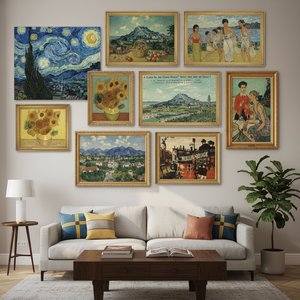
Ανακαλύψτε τα 10 εμβληματικά έργα που καθόρισαν τον Μεταϊμπρεσιονισμό! Βαν Γκογκ, Σεζάν & άλλοι μεγάλοι ζωγράφοι. Ιστορία τέχνης, τεχνικές & χρώματα που εμπνέουν. Αναπαραγωγές υψηλής ποιότητας στο Most-Famous-Paintings.com – διακοσμήστε τον χώρο σας με αριστουργήματα!
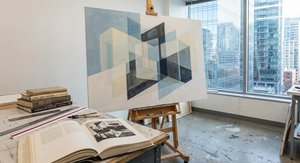
Explore the captivating world of geometric abstraction! Discover its origins, key artists like Malevich & Mondrian, and why this movement remains highly valued by art collectors today. Expert insights at Most-Famous-Paintings.

Explore Orphism, the vibrant abstract art movement pioneered by Robert & Sonia Delaunay. Discover its unique color theory, lasting influence on modern art, and how to bring this 'symphony of color' into your home with Most-Famous-Paintings.

Explore the evolution of geometric abstraction from Cubism to contemporary art. Discover key artists like Malevich & Mondrian, investment insights, and expert collecting advice at Most-Famous-Paintings.


Μείνετε ενημερωμένοι για τις τελευταίες ειδήσεις σχετικά με την τέχνη, αποκλειστικές προσφορές και ιδέες διακόσμησης.
Πείτε μας περισσότερα για το έργο σας και οι ειδικοί μας στην τέχνη θα σας προσφέρουν 3 εξατομικευμένες προτάσεις έργων τέχνης.
Αφήστε μας να επιμεληθούμε 3 επιλογές αποκλειστικά για εσάς – Δωρεάν!


 Κοινοποίηση


 Περισσότερα λεπτομέρεια







 Η επιλογή με γυαλί είναι διαθέσιμη μόνο για μεγέθη κάτω από 110 εκ.


