


x

Εκτύπωση giclée ή σε καμβά ποιότητας μουσείου με γρήγορη παραγωγή και ευέλικτες επιλογές φινιρίσματος. ( Αγορά χειροποίητου πίνακα Αγορά ψηφιακής εικόνας)





























Επιλέξτε από τις προκαθορισμένες διαστάσεις μας που διατηρούν τις αρχικές αναλογίες του έργου τέχνης.

Μπορείτε να εισαγάγετε δικές σας διαστάσεις ώστε να ταιριάξουν με ένα συγκεκριμένο πλαίσιο ή χώρο. Εάν το επιλεγμένο μέγεθος δεν συμπίπτει με τις αναλογίες της πρωτότυπης εικόνας, θα κόψουμε το έργο τέχνης ή θα επεκτείνουμε την εικόνα με καθρεφτισμένη ή μονόχρωμη ατέλεια. Θα σας αποσταλεί ένα ψηφιακό mockup για έγκρισή σας πριν από την έναρξη της παραγωγής.
Παρακαλούμε σημειώστε ότι η προεπισκόπηση στην οθόνη δεν αντικατοπτρίζει την πραγματική κοπή ή επέκταση. Μόνο το mockup θα δείξει με ακρίβεια την τελική σύνθεση.
Παρόλο που είναι διαθέσιμες προσαρμοσμένες διαστάσεις, προτείνουμε την επιλογή μιας διάστασης από τη προκαθορισμένη λίστα για τη διατήρηση των αρχικών αναλογιών.
Παγκόσμια Αποστολή () σε 2 εβδομάδες αντί για τις συνήθεις 4/5 εβδομάδες. (21 Αύγουστος)


Eclipse and Vegetable Osmosis
Διαστάσεις Αναπαραγωγής
Salvador Dalí's "Eclipse and Vegetable Osmosis," painted in 1934, isn’t merely a landscape; it’s an immersion. This pivotal work from the heart of Dalí’s surrealist period offers a glimpse into the artist’s meticulously constructed inner world—a realm where logic dissolves and the subconscious reigns supreme. More than just a visual representation, it's a carefully orchestrated exploration of perception, time, and the unsettling beauty of decay and rebirth. The painting immediately commands attention with its arresting composition: a stark red path bisects an otherwise desolate scene, leading towards a solitary tree adorned with an umbrella, a symbol of both protection and the unknown. The backdrop—a hazy expanse suggesting either a beach or desert—further amplifies the sense of disorientation and invites the viewer to become an active participant in deciphering its enigmatic narrative.
“Eclipse and Vegetable Osmosis” emerged during a period of intense experimentation for Dalí, a time when he was actively pushing the boundaries of artistic expression. Influenced by Cubism's fragmentation of form and Futurism’s embrace of dynamism, Dalí sought to capture not just what *looked* like reality but also the subjective experience of it—the fleeting thoughts, anxieties, and desires that shape our perception. The painting reflects his deep engagement with psychoanalysis, particularly Freud’s theories on dreams and the unconscious mind. The deliberate juxtaposition of seemingly unrelated elements – a horse, an umbrella, a decaying tree – creates a tension that mirrors the unsettling nature of dream imagery. It's a deliberate attempt to bypass rational thought and tap into a deeper, more primal level of understanding.
The symbolism within “Eclipse and Vegetable Osmosis” is layered and deliberately ambiguous. The horse, a recurring motif in Dalí’s work, represents strength, power, and even death—a potent symbol of both vitality and vulnerability. Its placement on the red path suggests a journey, perhaps one fraught with challenges and uncertainties. The umbrella, often interpreted as a shield against the anxieties of the unknown, offers a fragile defense against the encroaching darkness of the eclipse. The tree itself is particularly significant; its decaying state hints at mortality and the cyclical nature of life and death, while simultaneously suggesting growth and transformation—a visual metaphor for the passage of time and the enduring spirit of nature. The two figures in the background are thought to represent the observer’s role in interpreting reality, inviting us to actively engage with the painting's mysteries.
Dalí’s meticulous technique is evident in every detail of “Eclipse and Vegetable Osmosis.” He employed a highly polished, almost photographic realism—a hallmark of his style—to render the surreal elements with startling clarity. The use of vibrant colors, particularly the intense red of the path, draws the eye and intensifies the painting’s emotional impact. Beyond his technical skill, Dalí was deeply influenced by Renaissance masters like Raphael and Leonardo da Vinci, evident in the careful composition and attention to detail. This masterful blend of surrealist concepts with classical artistic principles is what elevates “Eclipse and Vegetable Osmosis” beyond mere fantasy—it's a profound meditation on the nature of reality itself.
Most-Famous-Paintings offers meticulously crafted, hand-painted reproductions of "Eclipse and Vegetable Osmosis," ensuring that the essence of Dalí’s vision is faithfully preserved. These aren't simply prints; they are works of art created by skilled artists who understand the nuances of Dalí’s style and technique. Owning a reproduction allows you to bring this captivating surrealist landscape into your home or office, sparking conversation and inviting contemplation. As with all of Dalí’s work, “Eclipse and Vegetable Osmosis” continues to challenge our perceptions and remind us that reality is often far stranger—and more beautiful—than we might initially believe. Consider it a portal to the depths of the subconscious, a testament to the power of art to transcend the boundaries of logic and imagination.

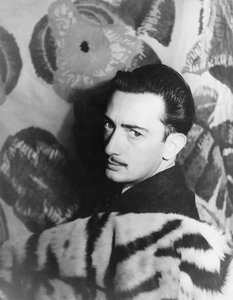
1904 - 1989 , Ισπανία

Master the complexities of Salvador Dalí’s genius. Explore an expert analysis of the Paranoiac-Critical Method and the profound symbolism within his Surrealist masterpieces for art students and discerning collectors.

Explore the profound depths of Surrealism. From Dalí’s dreamscapes to Magritte’s enigmas, master the history of the subconscious mind through our expert art guide and discover museum-quality oil reproductions of the world's most iconic surrealist masterpieces.

Explore the profound depths of Surrealism with our expert guide. From Dalí's dreamscapes to Breton's manifesto, uncover the history, symbolism, and technical mastery of this revolutionary movement. Perfect for students and collectors seeking deep art-historical insight.


Μείνετε ενημερωμένοι για τις τελευταίες ειδήσεις σχετικά με την τέχνη, αποκλειστικές προσφορές και ιδέες διακόσμησης.
Πείτε μας περισσότερα για το έργο σας και οι ειδικοί μας στην τέχνη θα σας προσφέρουν 3 εξατομικευμένες προτάσεις έργων τέχνης.
Αφήστε μας να επιμεληθούμε 3 επιλογές αποκλειστικά για εσάς – Δωρεάν!


 Δείτε σε πραγματικό χώρο
 Αποστολή
 Κοινοποίηση
 Λεπτομέρειες

 Λήψη
Λήψη
 Παρόμοια αντικείμενα συλλογής
 Ακτινογραφία
 Παρουσίαση

 Διαβάστε περισσότερα







 Η επιλογή με γυαλί είναι διαθέσιμη μόνο για μεγέθη κάτω από 110 εκ.


