x

 Αγοράστε την αναπαραγωγή Αγορά ψηφιακής εικόνας
 Αποστολή
 Λεπτομέρειες
 Προσθήκη στα αγαπημένα
 Λήψη
Λήψη
 Παρόμοια έργα
 Ακτινογραφία
 Παρουσίαση
Εκτύπωση giclée ή σε καμβά ποιότητας μουσείου με γρήγορη παραγωγή και ευέλικτες επιλογές φινιρίσματος.





























Επιλέξτε από τις προκαθορισμένες διαστάσεις μας που διατηρούν τις αρχικές αναλογίες του έργου τέχνης.

Μπορείτε να εισαγάγετε δικές σας διαστάσεις ώστε να ταιριάξουν με ένα συγκεκριμένο πλαίσιο ή χώρο. Εάν το επιλεγμένο μέγεθος δεν συμπίπτει με τις αναλογίες της πρωτότυπης εικόνας, θα κόψουμε το έργο τέχνης ή θα επεκτείνουμε την εικόνα με καθρεφτισμένη ή μονόχρωμη ατέλεια. Θα σας αποσταλεί ένα ψηφιακό mockup για έγκρισή σας πριν από την έναρξη της παραγωγής.
Παρακαλούμε σημειώστε ότι η προεπισκόπηση στην οθόνη δεν αντικατοπτρίζει την πραγματική κοπή ή επέκταση. Μόνο το mockup θα δείξει με ακρίβεια την τελική σύνθεση.
Παρόλο που είναι διαθέσιμες προσαρμοσμένες διαστάσεις, προτείνουμε την επιλογή μιας διάστασης από τη προκαθορισμένη λίστα για τη διατήρηση των αρχικών αναλογιών.
Παγκόσμια Αποστολή () σε 2 εβδομάδες αντί για τις συνήθεις 4/5 εβδομάδες. (22 Ιούλιος)


Angel
Διαστάσεις Αναπαραγωγής
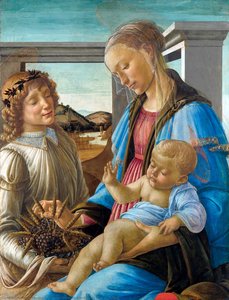
Sandro Botticelli's “Angel,” painted circa 1475–85, stands as a cornerstone of Florentine Renaissance art—a testament to the era’s fascination with classical ideals and its profound spiritual contemplation. More than just a depiction of an angelic figure, this artwork embodies the humanist spirit that characterized the period, reflecting Botticelli's masterful command of color, line, and composition.
Subject Matter & Composition: The painting portrays an angel—specifically, a woman—positioned on the left side of the canvas. Her gaze directs upwards, suggesting contemplation and aspiration. Alongside her stands a man, though his role appears secondary to the angelic presence. Botticelli skillfully employs pyramidal composition, grounding the figure in stability while simultaneously elevating it towards the heavens.
Style & Technique: Botticelli’s style is instantly recognizable for its delicate lines, soft pastel hues, and graceful curves—a deliberate departure from the harsher realism favored by earlier artists. He utilizes tempera paint on panel, a technique known for its luminosity and ability to achieve subtle tonal variations. The meticulous attention to detail evident in the angel's drapery and hair demonstrates Botticelli’s dedication to capturing idealized beauty.
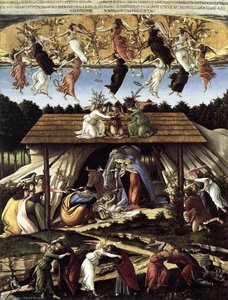
Historical Context: Created during Lorenzo de Medici’s reign—the “Magnificent Florentine”—“Angel” reflects the burgeoning humanist movement that championed reason, observation, and artistic excellence. The rediscovery of classical sculpture and literature fueled a desire for harmony and proportion, influencing artists like Botticelli to strive for perfection in their representations of human form and divine grace. As evidenced by research links provided, similar works such as “Virgin and Child with an Angel” showcase the same stylistic trends.
Symbolism & Emotional Impact: The angel’s upward gaze symbolizes spiritual enlightenment and transcendence—a core belief within Renaissance Christianity. Botticelli's portrayal of femininity embodies ideals of purity and virtue, aligning with prevailing moral sensibilities of the time. Viewing “Angel” evokes a sense of serenity and wonder, inviting contemplation on themes of faith, beauty, and divine inspiration. The artwork’s enduring appeal lies in its ability to communicate profound emotions through understated elegance.
Further Exploration: For those interested in delving deeper into Botticelli's artistic legacy, examining works like “Santa Maria degli Angeli” – a monumental church designed by Michelangelo—offers invaluable insight into the broader context of Renaissance architectural innovation and artistic patronage. Similarly, exploring Francesco Rosselli’s masterful depictions of biblical narratives exemplifies the stylistic influences shaping Florentine art during this transformative era.

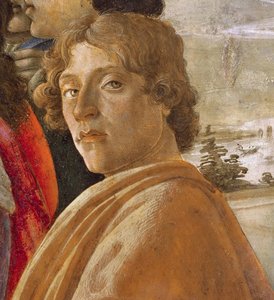
1445 - 1510 , Ιταλία
Ανακαλύψτε τα 10 αριστουργήματα που καθόρισαν την Πρώιμη Αναγέννηση! Botticelli, Leonardo da Vinci & άλλοι δάσκαλοι. Ιστορίες τέχνης, τεχνικές και χρώματα. Βρείτε αναπαραγωγές υψηλής ποιότητας στο Most-Famous-Paintings.gr.
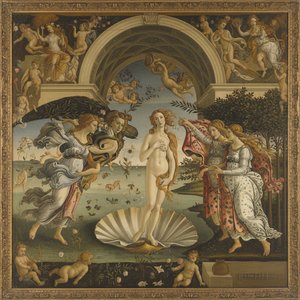
Ανακαλύψτε τα 25 κορυφαία έργα τέχνης του Σάντρο Μποτιτσέλι! Εξερευνήστε την Αναγέννηση, τη Βενερά και τον Πρωμαχό. Υψηλής ποιότητας αναπαραγωγές & ιδέες διακόσμησης στο Most-Famous-Paintings.com.
Explore the Italian Renaissance! Discover how competitive patronage & humanist ideals fueled artistic innovation in republics like Florence & Venice. Expert insights for art lovers and collectors.

Explore the enduring legacy of artists through history! Discover key themes, techniques & cultural impact. Expert art consultation, custom reproductions & appraisal services at Most-Famous-Paintings.

Explore the captivating history of angels in art! Discover symbolism, iconic Renaissance masterpieces & renowned artists. Expert insights for art lovers & collectors at Most-Famous-Paintings.


Μείνετε ενημερωμένοι για τις τελευταίες ειδήσεις σχετικά με την τέχνη, αποκλειστικές προσφορές και ιδέες διακόσμησης.
Πείτε μας περισσότερα για το έργο σας και οι ειδικοί μας στην τέχνη θα σας προσφέρουν 3 εξατομικευμένες προτάσεις έργων τέχνης.
Αφήστε μας να επιμεληθούμε 3 επιλογές αποκλειστικά για εσάς – Δωρεάν!


 Κοινοποίηση


 Περισσότερα λεπτομέρεια







 Η επιλογή με γυαλί είναι διαθέσιμη μόνο για μεγέθη κάτω από 110 εκ.