x

 Acrylic On CanvasWallArtEarly Renaissance
 1490
1490 320.0 x 470.0 cm
 Στατιστικές Μουσεία
Χειροποίητη oil painting σε καμβά στο δικό σας μέγεθος και πλαίσιο, κατά παραγγελία από τους καλλιτέχνες μας. ( Αγορά εκτύπωσης Αγορά ψηφιακής εικόνας)





























Επιλέξτε από τις προκαθορισμένες διαστάσεις μας που διατηρούν τις αρχικές αναλογίες του έργου τέχνης.

Μπορείτε να ορίσετε δικές σας διαστάσεις ώστε το έργο να ταιριάζει σε ένα συγκεκριμένο πλαίσιο ή χώρο. Εάν το επιλεγμένο μέγεθος δεν συμπίπτει με τις αναλογίες της αρχικής εικόνας, θα περικοψούμε το έργο ή θα επεκτείνουμε τη ζωγραφιά με πρόσθετα χειρόγραφα στοιχεία. Ένα ψηφιακό προσχέδιο θα σας αποσταλεί για έγκριση πριν την έναρξη της παραγωγής.
Παρακαλούμε σημειώστε ότι η προεπισκόπηση στην οθόνη δεν αντικατοπτρίζει την πραγματική περικοπή ή επέκταση. Μόνο το προσχέδιο θα δείξει με ακρίβεια την τελική σύνθεση.
Παρόλο που είναι διαθέσιμα προσαρμοσμένα μεγέθη, συνιστούμε να επιλέξετε μια διάσταση από τη λίστα των προκαθορισμένων μεγεθών για τη διατήρηση των αρχικών αναλογιών.
Παγκόσμια Αποστολή () σε 3-4 εβδομάδες αντί για τις συνήθεις 5 εβδομάδες. (15 Αύγουστος). Χωρίς συμβιβασμούς στην ποιότητα.


Purgatory X
Διαστάσεις Αναπαραγωγής
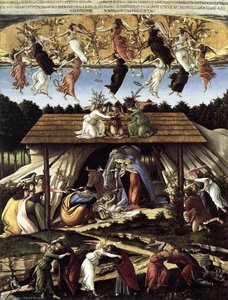
Sandro Botticelli's "Purgatory X," painted in 1490, is not merely a depiction of a scene; it’s an invitation into the complex emotional landscape of the Early Renaissance. This remarkable work, now meticulously reproduced on canvas for Most-Famous-Paintings.com, offers a rare glimpse into the artist’s evolving style and his engagement with themes of faith, mortality, and the human condition—all viewed through the lens of Florentine spirituality. The painting immediately draws the eye to a small group of figures gathered before a modest building, their gazes fixed upon a dog lying prone on the ground. A solitary bird circles overhead, adding an element of ethereal observation to this tableau of quiet contemplation.
Botticelli’s technique in “Purgatory X” is characterized by its delicate grace and refined detail, hallmarks of his mature style. He employs tempera on panel, a medium that lends itself beautifully to the luminous colors and subtle gradations of tone so characteristic of his work. Notice how he renders the figures with an almost sculpted quality – their forms are idealized yet possess a tangible humanity. The building behind them is rendered simply, almost abstractly, suggesting a place of transition rather than a specific earthly structure. The brushwork itself is remarkably controlled, creating a sense of stillness and serenity that belies the potentially weighty subject matter.
The scene’s symbolism is layered and open to interpretation, reflecting the theological debates prevalent during Botticelli's time. “Purgatory,” as understood in the late 15th century, wasn’t a literal place of fire and torment but rather a state of purification before entering Heaven. The dog lying on the ground could represent earthly desires or attachments that must be shed to achieve spiritual enlightenment – a poignant image of letting go. The bird soaring above might symbolize divine grace or the soul's ascent towards God, offering a hopeful counterpoint to the scene’s grounded reality.
Crucially, “Purgatory X” is believed to have been created during a period when Botticelli himself was grappling with questions of faith and artistic direction. Some scholars suggest it reflects his own personal struggles with religious doubt, a sentiment increasingly common amongst artists and intellectuals of the era. The lack of overt religious iconography – no crosses, no saints – distinguishes this work from many of Botticelli’s earlier commissions for the Medici family, hinting at a shift towards a more introspective and psychologically driven approach to art.
Painted in Florence during the height of the Renaissance, “Purgatory X” is inextricably linked to the city's vibrant intellectual and artistic climate. Botticelli was deeply influenced by the humanist philosophy that emphasized human potential and classical learning – a spirit that permeated all aspects of Florentine culture. His training under Fra Filippo Lippi instilled in him a mastery of traditional techniques while simultaneously exposing him to the innovative ideas circulating within the Medici court, where patronage fueled artistic experimentation.
The painting’s composition echoes the conventions of Renaissance portraiture, yet it departs from established norms through its focus on a seemingly ordinary scene. This deliberate choice underscores Botticelli's desire to explore the inner lives of his subjects and convey complex emotions without resorting to explicit religious symbolism. It is this subtle complexity that makes “Purgatory X” such a compelling and enduring work of art.
Most-Famous-Paintings’s meticulous reproduction of “Purgatory X” captures the painting's luminous colors, delicate brushwork, and profound emotional depth with exceptional fidelity. Available in a range of sizes, this hand-painted reproduction offers an unparalleled opportunity to experience Botticelli’s masterpiece firsthand. Whether adorning a grand salon or a more intimate space, "Purgatory X" invites viewers to contemplate the mysteries of faith, mortality, and the enduring power of art to illuminate the human spirit.
Consider this artwork not just as a beautiful image but as a portal into the mind of one of the Renaissance’s most celebrated artists – a testament to Botticelli's genius and his profound understanding of the complexities of the human experience.

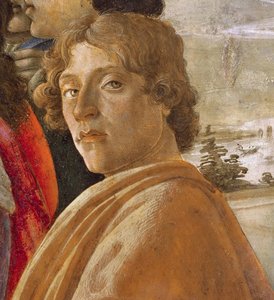
1445 - 1510 , Ιταλία

Explore the profound legacy of the Florentine Renaissance. Discover the history, techniques, and enduring impact of Italy's greatest masterpieces through an expert art-historical lens, designed for collectors and history enthusiasts seeking authentic cultural depth.

Explore the dramatic world of Italian Baroque art. Discover how masters like Caravaggio used chiaroscuro and tenebrism to revolutionize painting through light, shadow, and profound realism. A definitive guide for history lovers and art collectors.

Explore the profound evolution of realism during the Early Renaissance. From Brunelleschi's perspective to Da Vinci's sfumato, discover the masters who redefined art history through humanism and scientific precision in this expert guide for art lovers and collectors.


Μείνετε ενημερωμένοι για τις τελευταίες ειδήσεις σχετικά με την τέχνη, αποκλειστικές προσφορές και ιδέες διακόσμησης.
Πείτε μας περισσότερα για το έργο σας και οι ειδικοί μας στην τέχνη θα σας προσφέρουν 3 εξατομικευμένες προτάσεις έργων τέχνης.
Αφήστε μας να επιμεληθούμε 3 επιλογές αποκλειστικά για εσάς – Δωρεάν!


 Δείτε σε πραγματικό χώρο
 Αποστολή
 Κοινοποίηση
 Λεπτομέρειες

 Λήψη
Λήψη
 Παρόμοια αντικείμενα συλλογής
 Ακτινογραφία
 Παρουσίαση
 Διαβάστε περισσότερα







 Η επιλογή με γυαλί είναι διαθέσιμη μόνο για μεγέθη κάτω από 110 εκ.