x

 Αγοράστε την αναπαραγωγή Αγορά ψηφιακής εικόνας
 Αποστολή
 Λεπτομέρειες
 Προσθήκη στα αγαπημένα
 Λήψη
Λήψη
 Παρόμοια έργα
 Ακτινογραφία
 Παρουσίαση
Εκτύπωση giclée ή σε καμβά ποιότητας μουσείου με γρήγορη παραγωγή και ευέλικτες επιλογές φινιρίσματος.





























Επιλέξτε από τις προκαθορισμένες διαστάσεις μας που διατηρούν τις αρχικές αναλογίες του έργου τέχνης.

Μπορείτε να εισαγάγετε δικές σας διαστάσεις ώστε να ταιριάξουν με ένα συγκεκριμένο πλαίσιο ή χώρο. Εάν το επιλεγμένο μέγεθος δεν συμπίπτει με τις αναλογίες της πρωτότυπης εικόνας, θα κόψουμε το έργο τέχνης ή θα επεκτείνουμε την εικόνα με καθρεφτισμένη ή μονόχρωμη ατέλεια. Θα σας αποσταλεί ένα ψηφιακό mockup για έγκρισή σας πριν από την έναρξη της παραγωγής.
Παρακαλούμε σημειώστε ότι η προεπισκόπηση στην οθόνη δεν αντικατοπτρίζει την πραγματική κοπή ή επέκταση. Μόνο το mockup θα δείξει με ακρίβεια την τελική σύνθεση.
Παρόλο που είναι διαθέσιμες προσαρμοσμένες διαστάσεις, προτείνουμε την επιλογή μιας διάστασης από τη προκαθορισμένη λίστα για τη διατήρηση των αρχικών αναλογιών.
Παγκόσμια Αποστολή () σε 2 εβδομάδες αντί για τις συνήθεις 4/5 εβδομάδες. (23 Ιούλιος)


rising
Διαστάσεις Αναπαραγωγής
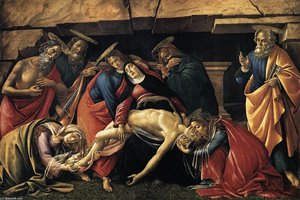
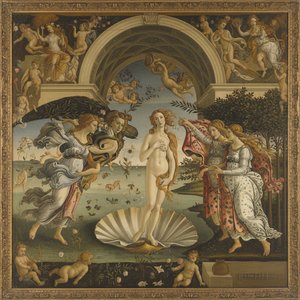
Sandro Botticelli's "Rising," a painting shrouded in the mystery of its original commission and subject, stands as a poignant testament to the complexities of faith, hope, and the human condition during the Florentine Renaissance. While details regarding the precise narrative remain debated – though often linked to the story of the Annunciation or even a symbolic representation of Christ’s resurrection – what is undeniable is the painting's profound emotional resonance and Botticelli’s masterful command of line, color, and classical form. The work, likely created around 1480-1482, exemplifies the artist’s signature style: an elegant blend of Byzantine influence, Neoplatonic philosophy, and a deep appreciation for the beauty of the human figure.
Botticelli's technique is immediately striking. He employs a delicate, almost ethereal quality, achieved through meticulous layering of thin glazes—a hallmark of his approach. The figures are rendered with an exquisite grace, their bodies elongated and flowing, reminiscent of Byzantine icons but imbued with a distinctly Renaissance sensibility. Note the subtle modeling of flesh, the careful attention to drapery, and the way light seems to caress the forms. The background is deliberately hazy, drawing focus entirely onto the central scene and contributing to the overall sense of otherworldly serenity. The use of tempera on panel—a traditional medium for Florentine artists at the time—allowed Botticelli to achieve a luminous quality rarely seen in other media.
The composition itself is rich with symbolic meaning. At the heart of the scene are angels, depicted not as imposing figures of power but rather as gentle guides, carefully lifting Christ from the tomb. Their wings, rendered in delicate brushstrokes, suggest a sense of lightness and ascension. Surrounding the tomb are individuals – some weeping, others gazing upwards in awe or celebration—representing the diverse human responses to this momentous event. The presence of a figure holding a book is particularly intriguing; it’s often interpreted as referencing scripture, emphasizing the theological significance of Christ's resurrection. The arrangement of these figures creates a dynamic interplay between grief and joy, despair and hope, reflecting the multifaceted nature of faith.
Botticelli’s artistic choices also resonate with Neoplatonic philosophy, prevalent during the Renaissance. The painting can be viewed as an allegory for the soul's journey towards enlightenment—the descent into darkness (represented by death) followed by a triumphant ascent to divine light (symbolized by Christ’s resurrection). The figures themselves are not merely representations of biblical characters but embodiments of universal human experiences and aspirations.
“Rising” is inextricably linked to the broader artistic and intellectual landscape of Florence during the High Renaissance. Botticelli’s work, alongside that of Leonardo da Vinci and Michelangelo, helped define the era's aesthetic ideals—a focus on humanism, classical inspiration, and a celebration of beauty. His paintings were commissioned by powerful families like the Medici, who recognized his talent and sought to adorn their palaces with works that reflected their wealth and status. “Rising” itself likely served as a devotional image for a private chapel or a grand hall, intended to inspire contemplation and reinforce religious beliefs.
Botticelli’s legacy endures through the profound impact of his art on subsequent generations of artists. His graceful figures, lyrical compositions, and masterful use of color continue to captivate viewers centuries later. Most-Famous-Paintings's hand-painted reproductions offer a unique opportunity to experience the beauty and emotional depth of “Rising” in stunning detail, preserving Botticelli’s artistic vision for future appreciation.

1445 - 1510 , Ιταλία
Ανακαλύψτε τα 25 κορυφαία έργα τέχνης του Σάντρο Μποτιτσέλι! Εξερευνήστε την Αναγέννηση, τη Βενερά και τον Πρωμαχό. Υψηλής ποιότητας αναπαραγωγές & ιδέες διακόσμησης στο Most-Famous-Paintings.com.
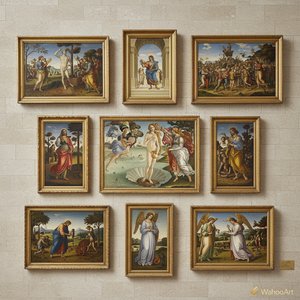
Ανακαλύψτε τα 10 αριστουργήματα που καθόρισαν την Πρώιμη Αναγέννηση! Botticelli, Leonardo da Vinci & άλλοι δάσκαλοι. Ιστορίες τέχνης, τεχνικές και χρώματα. Βρείτε αναπαραγωγές υψηλής ποιότητας στο Most-Famous-Paintings.gr.
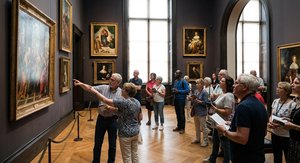
Ανακαλύψτε τους 25 κορυφαίους πίνακες της Alte Pinakothek! Μάθετε για Dürer, Rembrandt & Rubens. Ιδανική έμπνευση για διακόσμηση σπιτιού με αναπαραγωγές υψηλής ποιότητας. Εξερευνήστε την συλλογή στο Most-Famous-Paintings.com.

Explore the captivating history of angels in painting! Discover symbolism, iconic Renaissance & Byzantine masterpieces, and renowned artists. Expert insights for art lovers & collectors at Most-Famous-Paintings.

Explore the captivating history of angels in art! Discover symbolism, iconic Renaissance masterpieces & renowned artists. Expert insights for art lovers & collectors at Most-Famous-Paintings.


Μείνετε ενημερωμένοι για τις τελευταίες ειδήσεις σχετικά με την τέχνη, αποκλειστικές προσφορές και ιδέες διακόσμησης.
Πείτε μας περισσότερα για το έργο σας και οι ειδικοί μας στην τέχνη θα σας προσφέρουν 3 εξατομικευμένες προτάσεις έργων τέχνης.
Αφήστε μας να επιμεληθούμε 3 επιλογές αποκλειστικά για εσάς – Δωρεάν!


 Κοινοποίηση


 Περισσότερα λεπτομέρεια







 Η επιλογή με γυαλί είναι διαθέσιμη μόνο για μεγέθη κάτω από 110 εκ.