


x


 Αγοράστε την αναπαραγωγή Αγορά ψηφιακής εικόνας
 Αποστολή
 Λεπτομέρειες
 Προσθήκη στα αγαπημένα
 Λήψη
Λήψη
 Παρόμοια έργα
 Ακτινογραφία
 Παρουσίαση
 Acrylic On CanvasWallArtCapitalist Realism
 1968Contemporary
 60.0 x 50.0 cm
 Φουντασιον Σερβάλβες
Εκτύπωση giclée ή σε καμβά ποιότητας μουσείου με γρήγορη παραγωγή και ευέλικτες επιλογές φινιρίσματος.





























Επιλέξτε από τις προκαθορισμένες διαστάσεις μας που διατηρούν τις αρχικές αναλογίες του έργου τέχνης.

Μπορείτε να εισαγάγετε δικές σας διαστάσεις ώστε να ταιριάξουν με ένα συγκεκριμένο πλαίσιο ή χώρο. Εάν το επιλεγμένο μέγεθος δεν συμπίπτει με τις αναλογίες της πρωτότυπης εικόνας, θα κόψουμε το έργο τέχνης ή θα επεκτείνουμε την εικόνα με καθρεφτισμένη ή μονόχρωμη ατέλεια. Θα σας αποσταλεί ένα ψηφιακό mockup για έγκρισή σας πριν από την έναρξη της παραγωγής.
Παρακαλούμε σημειώστε ότι η προεπισκόπηση στην οθόνη δεν αντικατοπτρίζει την πραγματική κοπή ή επέκταση. Μόνο το mockup θα δείξει με ακρίβεια την τελική σύνθεση.
Παρόλο που είναι διαθέσιμες προσαρμοσμένες διαστάσεις, προτείνουμε την επιλογή μιας διάστασης από τη προκαθορισμένη λίστα για τη διατήρηση των αρχικών αναλογιών.
Παγκόσμια Αποστολή () σε 2 εβδομάδες αντί για τις συνήθεις 4/5 εβδομάδες. (22 Ιούλιος)


Sem título
Διαστάσεις Αναπαραγωγής
Sigmar Polke's "Sem título" (1968) isn’t merely a photograph; it’s a carefully constructed meditation on observation, displacement, and the unsettling beauty of everyday objects. This seminal work, housed within a stark grid of black-and-white frames, immediately draws the viewer into a world both familiar and profoundly strange. The arrangement—nine individual photographs presented as a unified whole—evokes a sense of systematic collection, almost like a meticulously documented survey of the mundane. Yet, there’s no discernible narrative thread connecting these seemingly random images; instead, we're confronted with a series of snapshots capturing fragments of life – a woman standing poised, a figure leaping into space, furniture bathed in quiet light, and decorative items arranged with an understated elegance.
The photograph’s power lies not in grand pronouncements or overt symbolism, but in its subtle details. The lighting is naturalistic, lending each image a sense of immediacy, while the photographic medium itself—black and white—reinforces a timeless quality. Polke's choice to present these images within a rigid grid structure is particularly significant. It’s a deliberate act of control, imposing order onto what might otherwise feel chaotic or random. This formal constraint mirrors the artist’s own experience of displacement – having fled Poland as a child and later seeking refuge in Germany – highlighting a lifelong preoccupation with navigating between different worlds and grappling with the instability of identity.
“Sem título” is a cornerstone of Polke’s movement, “Kapitalistischer Realismus,” which emerged in the early 1970s alongside Gerhard Richter. This artistic approach deliberately rejected the idealized aesthetics of both Socialist Realism and Western consumer culture, instead embracing a style that mimicked advertising imagery – the slick, mass-produced visuals that dominate contemporary life. Polke’s work within this movement isn't about critique in the traditional sense; rather, it’s an exploration of how these images shape our perceptions and influence our understanding of reality. The grid format itself can be interpreted as a visual representation of this pervasive advertising language – a structured system designed to capture and control attention.
Interestingly, Polke's artistic journey began with an apprenticeship in stained-glass work, a craft that demanded precision, technical skill, and a deep understanding of light and color. This early training profoundly shaped his approach to photography, influencing his meticulous composition and his deliberate manipulation of the photographic process. The decision to use black and white further emphasizes this connection, stripping away the distractions of color and focusing on the essential elements of form and texture.
Beyond its formal arrangement, “Sem título” reveals Polke’s masterful manipulation of photographic techniques. The photographs themselves are not simply reproductions of reality; they're carefully constructed images that have undergone significant alteration in the darkroom. Polke employed a range of experimental methods – staining negatives with chemicals, creasing and folding wet paper, and manipulating contrast – to create layered textures and ambiguous forms. This process transforms the photograph into something akin to an abstract painting, blurring the boundaries between photography and other artistic mediums.
The use of a Rollei camera, a popular choice among photographers in the 1960s, speaks to Polke’s commitment to capturing fleeting moments and embracing the inherent imperfections of the photographic process. He wasn't striving for photographic realism; instead, he was using photography as a tool to explore subjective perception and create images that resonate with emotional depth. The resulting photographs are not simply representations of objects but rather evocative glimpses into a world filtered through the artist’s unique sensibility.
“Sem título” remains a powerfully resonant work, offering a poignant reflection on themes of displacement, observation, and the complexities of modern life. Its stark simplicity belies a profound depth of meaning, inviting viewers to contemplate their own relationship with images, memory, and the ever-shifting landscape of experience. Polke’s meticulous attention to detail, combined with his willingness to experiment with photographic techniques, elevates this work beyond a mere snapshot – it's a testament to the transformative power of art.

1941 - 2010 , Πολωνία
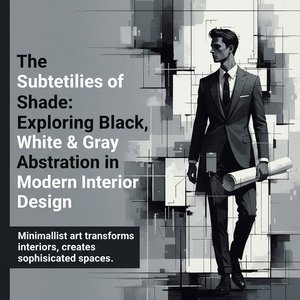
Εξερευνήστε την τέχνη της αφαίρεσης στον διακοσμητικό σχεδιασμό! Συμβουλές από ειδικούς για ξενοδοχεία & κατοικίες. Δημιουργήστε κομψούς, λειτουργικούς χώρους με μαύρο, λευκό & γκρι.

Ανακαλύψτε τις 10 κορυφαίες φωτογραφίες ντοκιμαντέρ που καθόρισαν την τέχνη του 20ου αιώνα. Ιστορίες από Robert Capa, Dorothea Lange & άλλους μεγάλους φωτογράφους. Βρείτε αναπαραγωγές υψηλής ποιότητας για να διακοσμήσετε τον χώρο σας στο Most-Famous-Paintings.gr!

Explore the powerful history of documentary photography – from its origins to contemporary masters like Gordon Parks & W. Eugene Smith. Discover how this art form shapes our understanding of society and witness pivotal moments in time.

Explore the rich history & artistic power of black and white photography. From early techniques to iconic masters like Ansel Adams, discover why monochrome continues to captivate art lovers today. Expert insights for collectors.

Explore the captivating world of monochrome art! Discover its rich history, influential artists like Malevich & Klein, and profound emotional impact. Expert insights for collectors & design enthusiasts.


Μείνετε ενημερωμένοι για τις τελευταίες ειδήσεις σχετικά με την τέχνη, αποκλειστικές προσφορές και ιδέες διακόσμησης.
Πείτε μας περισσότερα για το έργο σας και οι ειδικοί μας στην τέχνη θα σας προσφέρουν 3 εξατομικευμένες προτάσεις έργων τέχνης.
Αφήστε μας να επιμεληθούμε 3 επιλογές αποκλειστικά για εσάς – Δωρεάν!


 Κοινοποίηση

 Περισσότερα λεπτομέρεια







 Η επιλογή με γυαλί είναι διαθέσιμη μόνο για μεγέθη κάτω από 110 εκ.


