


x


 Preview
 Αγοράστε την αναπαραγωγή Αγορά ψηφιακής εικόνας
 Αποστολή
 Λεπτομέρειες
 Προσθήκη στα αγαπημένα
 Λήψη
Λήψη
 Παρόμοια έργα
 Ακτινογραφία
 Παρουσίαση
 Acrylic On CanvasWallArtLate Gothic Style
 1317
1317 76.0 x 46.0 cm
 Μουσείο Εθνικό του Κάπουδιμόντε
Εκτύπωση giclée ή σε καμβά ποιότητας μουσείου με γρήγορη παραγωγή και ευέλικτες επιλογές φινιρίσματος.





























Επιλέξτε από τις προκαθορισμένες διαστάσεις μας που διατηρούν τις αρχικές αναλογίες του έργου τέχνης.

Μπορείτε να εισαγάγετε δικές σας διαστάσεις ώστε να ταιριάξουν με ένα συγκεκριμένο πλαίσιο ή χώρο. Εάν το επιλεγμένο μέγεθος δεν συμπίπτει με τις αναλογίες της πρωτότυπης εικόνας, θα κόψουμε το έργο τέχνης ή θα επεκτείνουμε την εικόνα με καθρεφτισμένη ή μονόχρωμη ατέλεια. Θα σας αποσταλεί ένα ψηφιακό mockup για έγκρισή σας πριν από την έναρξη της παραγωγής.
Παρακαλούμε σημειώστε ότι η προεπισκόπηση στην οθόνη δεν αντικατοπτρίζει την πραγματική κοπή ή επέκταση. Μόνο το mockup θα δείξει με ακρίβεια την τελική σύνθεση.
Παρόλο που είναι διαθέσιμες προσαρμοσμένες διαστάσεις, προτείνουμε την επιλογή μιας διάστασης από τη προκαθορισμένη λίστα για τη διατήρηση των αρχικών αναλογιών.
Παγκόσμια Αποστολή () σε 2 εβδομάδες αντί για τις συνήθεις 4/5 εβδομάδες. (27 Ιούλιος)


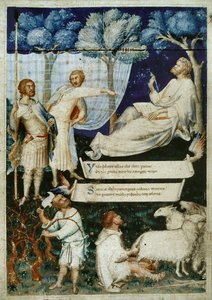
Blessing Christ
Διαστάσεις Αναπαραγωγής
Simone Martini's "Blessing Christ," painted in 1317, is more than simply a depiction of a religious scene; it’s a profound expression of the burgeoning elegance and devotional fervor characteristic of late medieval Siena. This exquisite work, measuring 76 x 46 cm, offers a captivating glimpse into a world where art served as both a vehicle for spiritual contemplation and a testament to civic pride. Martini, born in 1284, wasn’t just a painter; he was an architect of visual grace, meticulously crafting a scene that resonates with a delicate balance between earthly beauty and divine authority.
The painting immediately draws the eye to Christ, presented as a figure of serene power. Dressed in a rich crimson robe—a color historically associated with royalty and sacrifice—he holds a book open in his hands, an emblem of his role as the Word made flesh, the embodiment of divine knowledge. His gaze is directed downwards, engaging the viewer directly in a gesture of blessing, inviting us into this sacred moment. The halo above his head isn’t merely decorative; it signifies his divinity and elevates him to a realm beyond earthly concerns. Notice the careful rendering of his long hair, cascading down his shoulders – a detail that speaks to both youthful beauty and a connection to biblical narratives of angelic figures.
Martini’s mastery lies in his meticulous attention to detail and his innovative use of color. Unlike the more generalized styles prevalent at the time, he employed a vibrant palette—particularly noticeable in the rich reds, blues, and golds—with an almost jewel-like intensity. His technique is characterized by incredibly fine lines, meticulously drawn to define every fold of fabric, every strand of hair, and every architectural element within the background church. This painstaking approach wasn’t simply about realism; it was a deliberate strategy to imbue the scene with a sense of heightened beauty and spiritual significance. The use of *grisaille*, a monochrome underpainting technique, allowed him to establish values and forms before applying the final layer of color, contributing to the painting's luminous quality.
To fully appreciate “Blessing Christ,” it’s crucial to understand its historical context. Siena in the early 14th century was a thriving center of banking and commerce, yet deeply rooted in religious tradition. The city's wealth fueled an extraordinary artistic patronage, resulting in a flourishing of painting centered around the Madonna and Child iconography, as well as elaborate devotional works like this one. The church depicted in the background—likely the Duomo di Siena—stands as a powerful symbol of civic identity and spiritual aspiration. Martini’s inclusion of this recognizable landmark firmly anchors the scene within its Sienese setting, reminding us that art was inextricably linked to the city's social and religious life.
Beyond the immediate depiction of Christ blessing his followers, “Blessing Christ” is rich in symbolic meaning. The open book represents divine wisdom and scripture, while the gesture of blessing itself signifies grace, salvation, and the bestowal of God’s favor. The two books visible in the scene—one near the center and another to the right—could symbolize the Old and New Testaments, highlighting the continuity between these sacred texts. The overall composition evokes a sense of profound peace and devotion, inviting contemplation on themes of faith, humility, and divine love. This painting isn’t just a beautiful image; it's an invitation into a world of spiritual significance.
Most-Famous-Paintings offers exquisite, hand-painted reproductions of Simone Martini’s “Blessing Christ,” allowing you to bring this masterpiece into your home or office. Each reproduction is created using the same techniques and materials as the original, ensuring that you receive an authentic representation of this iconic work of art.

1284 - 1344 , Ιταλία

Ανακαλύψτε τους 25 θησαυρούς του Metropolitan Museum of Art! Ιμπρεσιονισμός, Βαν Γκογκ, Μονέ & άλλα αριστουργήματα. Έμπνευση για διακόσμηση σπιτιού με πίνακες υψηλής ποιότητας. Εξερευνήστε την πλήρη συλλογή στο Most-Famous-Paintings.com

Journey through High Medieval Art! Explore 10 iconic masterpieces – from Giotto's frescoes to stunning Gothic cathedrals. Discover the stories behind these timeless paintings, sculptures & illuminated manuscripts. Find museum-quality art reproductions at Most-Famous-Paintings.com.
Ανακαλύψτε τους 25 θησαυρούς της Εθνικής Πινακοθήκης Τέχνης! Ιμπρεσιονισμός, μοντερνισμός & πίνακες Cézanne, Matisse, Picasso. Βρείτε έμπνευση για το σπίτι σας και υψηλής ποιότητας αναπαραγωγές στην Most-Famous-Paintings.com.

Journey through 10 defining Late Medieval masterpieces – from Giotto's frescoes to Jan van Eyck’s realism. Explore the stories, techniques & vibrant colors of Gothic art. Find museum-quality reproductions and elevate your home decor with Most-Famous-Paintings.com! Discover all masterpieces on Most-Famous-Paintings.com

Ανακαλύψτε τα 25 κορυφαία έργα τέχνης του James Abbott McNeill Whistler! Εξερευνήστε πίνακες, πορτρέτα & νυχτερινά τοπία που καθόρισαν τον Aestheticism. Υψηλής ποιότητας αναπαραγωγές στην Most-Famous-Paintings.gr. Δείτε τη συλλογή!


Μείνετε ενημερωμένοι για τις τελευταίες ειδήσεις σχετικά με την τέχνη, αποκλειστικές προσφορές και ιδέες διακόσμησης.
Πείτε μας περισσότερα για το έργο σας και οι ειδικοί μας στην τέχνη θα σας προσφέρουν 3 εξατομικευμένες προτάσεις έργων τέχνης.
Αφήστε μας να επιμεληθούμε 3 επιλογές αποκλειστικά για εσάς – Δωρεάν!


 Κοινοποίηση

 Περισσότερα λεπτομέρεια







 Η επιλογή με γυαλί είναι διαθέσιμη μόνο για μεγέθη κάτω από 110 εκ.


